Blog

  • SEO and Paid Ads Strategy That Actually Increases Revenue

    An SEO and paid ads strategy only works if it increases revenue, not just traffic. Many businesses invest heavily in SEO or Google Ads but struggle to see real business impact because both channels are run in isolation. At GOSG, SEO and paid ads are designed as one integrated growth system built to capture demand, convert intent, and scale revenue.

    Why Most SEO and Paid Ads Strategies Underperform

    On their own, SEO and paid ads can look successful on paper. Rankings improve. Clicks increase. Impressions grow. But revenue often tells a different story.

    Common problems include:

    • SEO driving informational traffic with low purchase intent
    • Google Ads generating clicks without strong conversion paths
    • Separate teams optimising for channel metrics instead of revenue
    • No shared data between organic and paid performance

    Without alignment, SEO and paid ads compete instead of compounding.

    What a Revenue-Driven SEO and Paid Ads Strategy Looks Like

    A high-performing SEO and paid ads strategy is built around one question. How does this traffic turn into paying customers?

    At GOSG, both channels are structured to support the same revenue funnel.

    SEO Captures Long-Term, High-Intent Demand

    SEO is not just about volume. GOSG focuses on keywords that signal buying intent and commercial readiness.

    This includes:

    • Transactional and service-based searches
    • Comparison and solution-aware queries
    • Content mapped to each stage of the buyer journey
    • Technical SEO foundations that scale with growth

    The result is organic traffic that converts, not just traffic that reads.

    Paid Ads Accelerate Demand Capture

    Paid ads are used to capture demand immediately while SEO compounds over time. Campaigns are structured around:

    • Clear acquisition goals and allowable CPA
    • Keyword and audience insights pulled from SEO data
    • Dedicated landing pages optimised for conversion
    • Continuous testing of creatives, offers, and funnels

    Paid ads fill gaps, validate keywords, and generate fast revenue while SEO builds momentum.

    How SEO and Paid Ads Work Better Together

    When SEO and paid ads are managed as one system, performance improves across both channels.

    SEO insights improve paid ads by:

    • Identifying high-converting keywords to prioritise in Google Ads
    • Revealing messaging that resonates through organic CTR data
    • Reducing paid dependency over time on expensive keywords

    Paid ads improve SEO by:

    • Testing keyword intent before long-term SEO investment
    • Generating immediate data on conversion behaviour
    • Supporting new content and landing pages during ramp-up

    This feedback loop is where revenue growth accelerates.

    If your SEO and Google Ads feel disconnected, GOSG can help you align both channels into one revenue-focused strategy.

    Strategy First, Execution Always

    Many agencies stop at strategy decks. GOSG prioritises execution and iteration.

    Every SEO and paid ads strategy includes:

    • Clear KPIs tied to revenue and conversions
    • Ongoing optimisation based on live performance data
    • Shared dashboards that show how channels influence each other
    • Continuous testing instead of one-time setup

    Execution is what turns strategy into results.

    Avoiding the Vanity Metrics Trap

    Traffic, impressions, and CTR matter, but only in context. GOSG reports performance based on:

    • Cost per acquisition
    • Conversion rate by channel and landing page
    • Revenue contribution from SEO and paid ads
    • Return on marketing investment

    This ensures optimisation decisions are driven by business outcomes, not surface-level metrics.

    Built for Decision Makers, Not Just Marketers

    A strong SEO and paid ads strategy should support better decisions at the leadership level.

    GOSG structures campaigns so founders and operators can clearly see:

    • What is driving growth
    • What is wasting budget
    • Where to scale and where to optimise

    This clarity is essential for sustainable growth.

    Scaling Revenue Without Increasing Complexity

    As budgets grow, complexity often increases. A unified SEO and paid ads strategy simplifies scaling by:

    • Aligning keywords, messaging, and funnels
    • Reducing duplicated effort across teams
    • Creating predictable acquisition systems

    This makes growth easier to manage and easier to scale.

    Conclusion: An SEO and Paid Ads Strategy Built for Revenue

    An effective SEO and paid ads strategy does not treat channels as separate silos. When aligned under one revenue goal, SEO compounds long-term growth while paid ads drive immediate performance.

    GOSG builds integrated SEO and paid ads strategies that focus on what matters most, turning intent into conversions and conversions into revenue.

    Ready to turn SEO and paid ads into one revenue engine. Contact GOSG today and start building a strategy that actually increases revenue.
  • Full-Stack Digital Marketing Agency That Drives Revenue

    A full stack digital marketing agency is no longer a nice-to-have. For growing businesses, it is the difference between fragmented effort and predictable revenue. GOSG was built to operate as one integrated growth team, aligning strategy, execution, data, and optimisation to turn marketing spend into measurable business results.

    What “Full-Stack Digital Marketing” Really Means Today

    Many agencies claim to be full service, but most still operate in silos. SEO is handled separately from paid ads. Creative is disconnected from analytics. Strategy decks are delivered without execution follow-through.

    A true full-stack digital marketing agency connects every layer of growth:

    • Strategy grounded in revenue targets
    • SEO built for demand capture and long-term compounding traffic
    • Paid ads designed for immediate performance and scalable acquisition
    • Conversion optimisation to turn traffic into paying customers
    • Analytics and reporting tied directly to revenue, not vanity metrics

    This integrated approach is how GOSG helps businesses move from marketing activity to marketing outcomes.

    Why Fragmented Marketing Fails to Drive Revenue

    When businesses work with multiple vendors, common issues appear fast:

    • SEO traffic grows but does not convert
    • Paid ads drive clicks but CPA keeps rising
    • Creative looks good but performance stagnates
    • No single team owns revenue accountability

    Without one team overseeing the full funnel, optimisation stops at the channel level instead of the business level. A full-stack digital marketing agency solves this by owning the entire growth system end to end.

    How GOSG Operates as a Revenue-Driven Growth Partner

    GOSG operates differently from traditional agencies. The focus is not impressions, traffic, or engagement in isolation. Every decision is tied back to revenue impact.

    SEO Built for Demand and Intent

    SEO is not just about ranking keywords. GOSG structures SEO around:

    • High-intent commercial and transactional searches
    • Content clusters that support buyer journeys
    • Technical foundations that scale with growth
    • Conversion paths embedded into content

    This ensures organic traffic contributes directly to pipeline and sales.

    Paid Ads Designed for Sustainable ROI

    Paid ads are treated as a performance engine, not a traffic faucet. Campaigns are built around:

    • Clear acquisition goals and allowable CPA
    • Funnel-specific creative and landing pages
    • Continuous testing and iteration
    • Budget allocation based on real performance data

    SEO and paid ads are intentionally connected so insights from one channel improve the other.

    One Integrated Team Instead of Multiple Agencies

    Working with one full-stack digital marketing agency removes friction and accelerates results. With GOSG, clients get:

    • One strategy instead of competing priorities
    • One execution roadmap instead of disjointed tasks
    • One reporting framework tied to revenue

    This unified approach allows faster optimisation, clearer accountability, and better long-term outcomes.

    Mid-article CTA:
    If you are ready to replace fragmented marketing with a single growth system, explore how GOSG builds integrated SEO and paid ads strategies designed for revenue.

    Revenue First, Not Vanity Metrics

    Traffic, impressions, and engagement matter only if they lead to revenue. GOSG structures reporting around:

    • Cost per acquisition
    • Conversion rates across the funnel
    • Revenue attribution by channel
    • Return on marketing investment

    This allows founders and operators to see exactly how marketing contributes to business growth.

    Built for Growing and Scaling Businesses

    A full-stack digital marketing agency must support both early traction and scale. GOSG works with:

    • Startups needing predictable lead flow
    • SMEs focused on profitable growth
    • Established brands optimising efficiency at scale

    Systems are designed to evolve as budgets, teams, and goals change.

    Why Execution Matters More Than Strategy Decks

    Strategy without execution creates momentum only on paper. GOSG prioritises:

    • Fast implementation
    • Continuous optimisation
    • Real-time performance tracking
    • Iteration based on data, not assumptions

    This execution-first mindset is what turns planning into revenue.

    Scalable Systems That Compound Over Time

    The goal is not short-term wins only. GOSG builds marketing systems that:

    • Improve efficiency month after month
    • Reduce dependency on single channels
    • Increase lifetime value of customers
    • Create predictable growth patterns

    SEO compounds. Paid ads accelerate. Conversion optimisation multiplies impact. Together, they form a scalable growth engine.

    Choosing the Right Full-Stack Digital Marketing Agency

    When evaluating a full-stack digital marketing agency, ask:

    • Do they own revenue outcomes or just deliverables
    • Can they connect SEO, ads, and CRO into one system
    • Do they provide clear reporting tied to business goals
    • Are they built for execution, not just planning

    These criteria separate true growth partners from service vendors.

    Conclusion: A Full-Stack Digital Marketing Agency Built for Revenue

    A full-stack digital marketing agency should simplify growth, not complicate it. By integrating SEO, paid ads, execution, and analytics into one cohesive system, GOSG helps businesses move from marketing activity to real, measurable revenue.

    If you want one team that owns growth from click to customer, partner with GOSG.

    Ready to build a revenue-driven growth system with a full-stack digital marketing agency. Contact GOSG today to start turning marketing into predictable revenue.

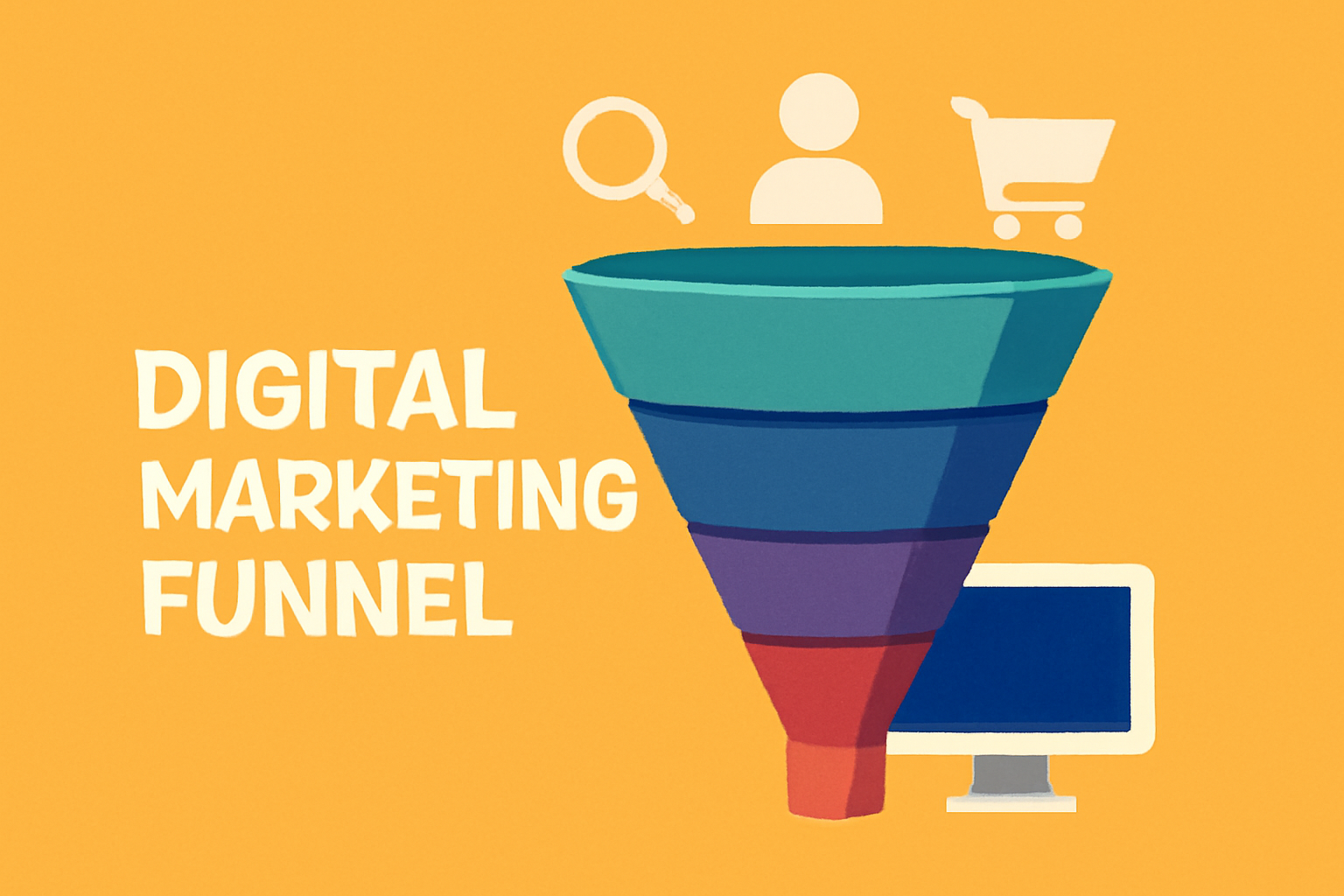
  • Digital Marketing Funnel Singapore: Complete Guide for SMEs

    Digital Marketing Funnel Singapore: Complete Guide for SMEs

    A well-structured digital marketing funnel is crucial for any SME in Singapore aiming to turn website visitors into loyal customers. From the first click to a closed deal, understanding the different stages of the digital marketing funnel Singapore will help you create a clear, effective customer journey. This guide will take you through each stage of the funnel, from awareness to conversion, and provide actionable insights to optimize your digital marketing efforts.

    What Is a Digital Marketing Funnel?

    A digital marketing funnel Singapore is a model that represents the customer journey from the moment they become aware of your brand to when they make a purchase or take a desired action. The funnel typically consists of several stages:

    1. Awareness: The top of the funnel, where potential customers first learn about your brand.
    2. Consideration: Prospects begin evaluating your offerings against competitors.
    3. Decision: The point at which prospects are ready to make a purchase or sign up.
    4. Action: The final step, where prospects take the desired action (e.g., purchase, signup, etc.).

    By understanding and optimizing each stage of the digital marketing funnel Singapore, you can create more effective marketing campaigns that nurture leads and convert them into paying customers.

    For more information on creating effective marketing strategies, check out this guide on maximizing digital campaigns.

    Stages of the Digital Marketing Funnel

    1. Top of the Funnel (TOFU): Awareness

    At the top of the funnel, potential customers are just becoming aware of your brand. They may be searching for solutions to their problems but aren’t yet familiar with your product or service. Your goal at this stage is to attract visitors to your website and make them aware of your offerings.

    Actions at TOFU:

    • Content Marketing: Publish informative blog posts, guides, and videos that address common questions or challenges faced by your target audience.
    • SEO: Optimize your content for search engines to rank for relevant keywords and attract organic traffic.
    • Paid Ads: Use Google Ads and social media ads to target a broad audience and drive traffic to your site.

    To learn more about attracting traffic to your website, take a look at this guide on SEO content writing.

    2. Middle of the Funnel (MOFU): Consideration

    At this stage, visitors are aware of your brand and are now evaluating your offerings. They may compare your product or service with competitors and look for more detailed information.

    Actions at MOFU:

    • Lead Magnets: Offer free resources such as eBooks, whitepapers, or webinars to capture contact information and nurture the relationship.
    • Email Marketing: Use email sequences to provide more valuable content and move prospects further down the funnel.
    • Case Studies: Share real-life examples of how your product or service has solved problems for others.

    To dive deeper into lead nurturing, check out this guide on SEO for lead generation.

    3. Bottom of the Funnel (BOFU): Decision

    At the bottom of the funnel, prospects are ready to make a decision. They have compared your brand to others and are now considering purchasing or signing up for your service. Your goal is to push them towards making a conversion.

    Actions at BOFU:

    • Product Demos or Free Trials: Offer potential customers the chance to experience your product or service firsthand.
    • Testimonials and Reviews: Provide social proof to build trust and reinforce the value of your offerings.
    • Exclusive Offers: Use limited-time discounts or bonuses to create urgency and encourage action.

    To learn how to optimize your sales funnel, explore this guide on maximizing digital campaign ROI.

    Optimizing Your Digital Marketing Funnel Singapore

    1. Analyze Customer Data

    To make the most of your digital marketing funnel Singapore, regularly analyze customer data to understand their behavior at each stage of the funnel. Use tools like Google Analytics, Facebook Insights, and Looker Studio to monitor how users interact with your website and where they drop off.

    2. Personalization

    Personalizing your marketing messages and offers can increase engagement and conversion rates. Use data from your CRM and marketing tools to segment your audience and deliver personalized content.

    3. Test and Refine

    Continuously test different elements of your funnel, such as ad creatives, landing pages, email sequences, and calls to action. Use A/B testing to determine which strategies work best and refine your approach over time.

    For more insights on refining your marketing strategy, check out this guide on digital marketing insights.

    Conclusion

    A well-structured digital marketing funnel Singapore is essential for converting website visitors into paying customers. By optimizing each stage of the funnel, from awareness to action, you can create a streamlined customer journey that leads to higher conversion rates and improved ROI. Whether you’re using content marketing, SEO, email campaigns, or paid ads, understanding your funnel and continually refining it will help your SME grow and thrive in the competitive Singaporean market.

    If you’re looking to optimize your digital marketing funnel Singapore, contact us today to start building a customized strategy for your business.

    FAQ

    Q1: What is the digital marketing funnel?
    A1: The digital marketing funnel represents the customer journey from awareness to conversion. It includes stages like awareness, consideration, and decision-making.

    Q2: How can I attract more visitors to the top of the funnel?
    A2: Use SEO, content marketing, and paid ads to increase awareness and attract more visitors to your website.

    Q3: How do I move prospects from consideration to conversion?
    A3: Use lead magnets, email marketing, case studies, and product demos to nurture prospects and encourage them to take action.

    Q4: Why is data analysis important for optimizing my marketing funnel?
    A4: Analyzing customer data helps you understand where users drop off, which allows you to make improvements to increase conversions and reduce friction.

    Q5: Can I use automation in my marketing funnel?
    A5: Yes, automation tools like email marketing, CRM systems, and retargeting ads can help streamline your funnel and engage prospects more effectively.

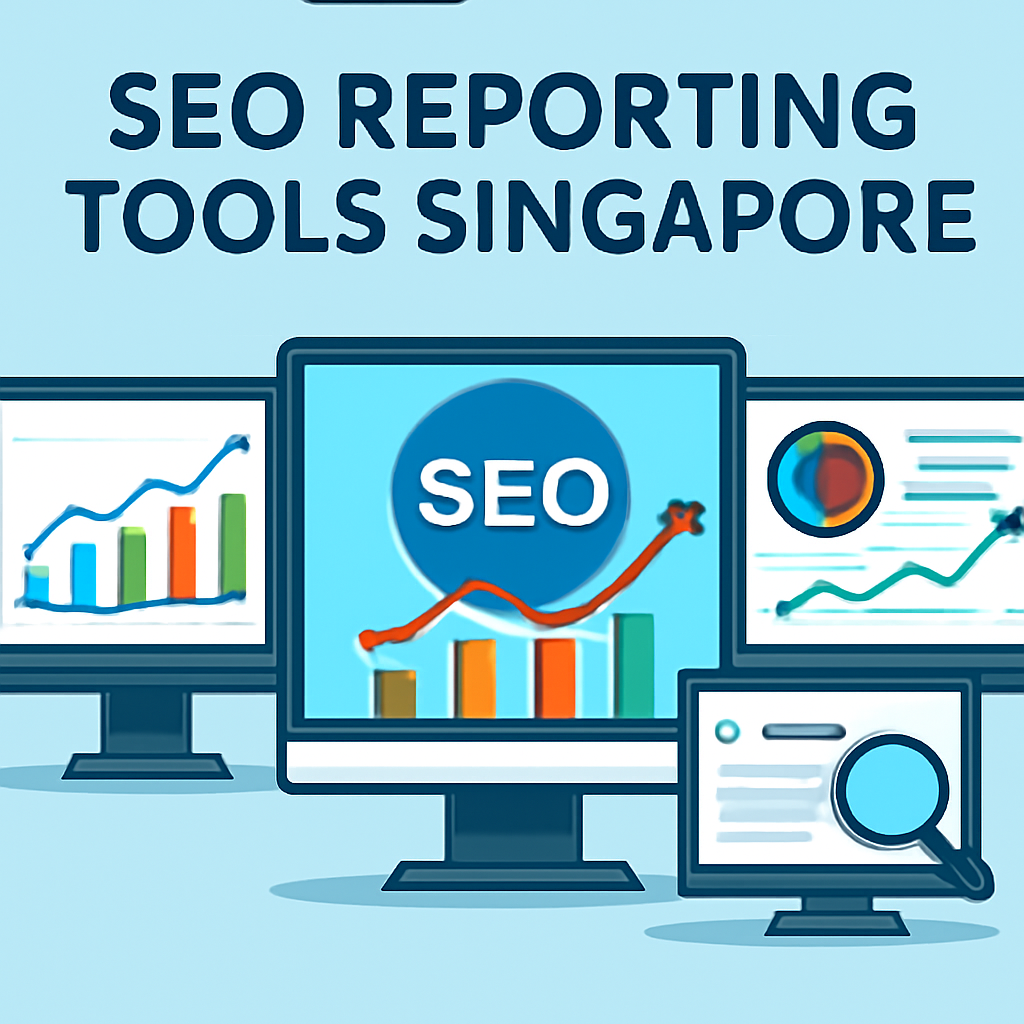
  • Best SEO Reporting Dashboards for Singapore SMEs: Tool Review

    Best SEO Reporting Dashboards for Singapore SMEs: Tool Review

    As a small or medium enterprise (SME) in Singapore, tracking SEO performance is crucial to understanding the effectiveness of your marketing efforts. One of the best ways to do this is through SEO reporting tools Singapore that provide clear, actionable insights. In this product review, we’ll explore some of the best SEO reporting dashboards available for SMEs in Singapore, focusing on tools like Looker Studio and GA4 SEO reporting. We’ll break down their features, ease of use, and how they can help track rankings, leads, and ROI.

    1. Looker Studio SEO Dashboard

    Looker Studio (formerly Google Data Studio) is a powerful tool that offers customizable dashboards to display SEO performance data. It integrates seamlessly with a variety of data sources, including Google Analytics, Google Search Console, and other SEO tools. For SEO reporting tools Singapore, Looker Studio is one of the most popular options for creating dynamic and visually appealing reports.

    Key Features:

    • Customizable Reports: Looker Studio allows you to build dashboards tailored to your business’s specific SEO KPIs, including rankings, organic traffic, and lead conversions.
    • Data Integration: You can pull data from multiple sources, ensuring that all your SEO metrics are in one place.
    • Real-time Updates: The platform connects to live data, so your reports reflect real-time performance.

    For more details on using Looker Studio for data reporting, check out this guide on maximizing digital campaigns.

    2. GA4 SEO Reporting

    Google Analytics 4 (GA4) is the latest version of Google’s analytics platform, and it includes powerful tools for SEO reporting tools Singapore. GA4 offers advanced features for tracking user behavior, including traffic sources, conversions, and more. It’s especially useful for SMEs that want to integrate SEO performance with other website metrics.

    Key Features:

    • Enhanced Tracking: GA4 tracks user interactions more comprehensively, including events, conversions, and custom dimensions that are valuable for SEO reporting.
    • Cross-platform Integration: GA4 allows you to track performance across different platforms, such as websites and mobile apps, which is ideal for businesses with multiple digital assets.
    • Customizable Dashboards: Create personalized reports to track specific SEO metrics like traffic, bounce rates, and keyword rankings.

    For a deeper dive into GA4 setup and integration, explore this guide on technical SEO strategies.

    3. SEMrush SEO Reporting Tools

    SEMrush is a widely recognized SEO platform that offers a suite of tools for tracking rankings, backlinks, and overall SEO health. For SEO reporting tools Singapore, SEMrush provides detailed insights into how your website is performing on search engines.

    Key Features:

    • Rank Tracking: SEMrush tracks your website’s rankings for various keywords across different search engines, which is crucial for keeping an eye on SEO performance.
    • Competitor Analysis: SEMrush also allows you to monitor competitors, so you can track their rankings and performance and adjust your strategy accordingly.
    • Comprehensive SEO Reports: Generate detailed reports on SEO performance, including site audits, backlink analysis, and keyword rankings.

    To learn more about SEMrush’s capabilities, read this guide on SEO company strategies in Singapore.

    4. Ahrefs SEO Dashboard

    Ahrefs is another leading tool for SEO analysis, offering powerful features for tracking backlinks, rankings, and website health. With in-depth insights, it helps businesses in Singapore make data-driven decisions about their SEO strategies.

    Key Features:

    • Backlink Tracking: Ahrefs excels in tracking backlinks, which are a critical part of SEO performance.
    • Site Explorer: This feature allows you to explore your website and see how it compares to competitors in terms of traffic, keywords, and more.
    • Content Gap Analysis: Identify keyword gaps in your content strategy and opportunities for ranking improvements.

    For more information on Ahrefs’ SEO capabilities, explore this guide on website performance optimization.

    5. Google Search Console

    Google Search Console (GSC) is a free tool provided by Google that offers essential insights into your website’s SEO performance. It helps you monitor your website’s indexing status, track search queries, and improve your site’s visibility on Google.

    Key Features:

    • Search Analytics: See the keywords your website is ranking for, along with the number of clicks, impressions, and click-through rates (CTR).
    • Site Performance Monitoring: Track and resolve technical issues like crawling errors and mobile usability problems.
    • Performance Reports: Generate reports to monitor your website’s performance in Google search, including page speed and index status.

    For more on how to use GSC for SEO insights, check out this guide on SEO content optimization.

    Conclusion

    When choosing the right SEO reporting tools Singapore, it’s important to consider your specific needs and goals. Tools like Looker Studio, GA4, SEMrush, Ahrefs, and Google Search Console each offer unique features for tracking SEO performance. Depending on your business size and SEO goals, a combination of these tools can provide you with comprehensive, actionable insights to drive growth and improve your ROI.

    Looking for help setting up or optimizing your SEO reporting tools Singapore? Contact us today to learn how we can help you streamline your SEO reporting.

    FAQ

    Q1: What are SEO reporting tools, and why do I need them?
    A1: SEO reporting tools provide data and insights into how your website is performing in search engines. They help you track metrics like keyword rankings, organic traffic, and site health, allowing you to optimize your SEO strategy.

    Q2: Can I use Google Analytics for SEO reporting?
    A2: Yes, Google Analytics provides valuable insights into user behavior, traffic sources, and conversion rates, but it should be used alongside other specialized SEO tools like Google Search Console for a complete SEO overview.

    Q3: How often should I review my SEO performance?
    A3: It’s recommended to review your SEO performance monthly or quarterly to ensure your strategies are working and to adjust your approach as needed based on data insights.

    Q4: Are there free SEO reporting tools available?
    A4: Yes, Google Search Console and Google Analytics are free tools that provide essential SEO data. However, premium tools like SEMrush and Ahrefs offer more in-depth insights and additional features for advanced reporting.

    Q5: How can I use SEO reports to improve my rankings?
    A5: By analyzing SEO reports, you can identify areas of improvement such as keyword optimization, site speed, and content gaps. Implementing changes based on these insights can help improve your website’s rankings.

  • AI for SEO Singapore: 7 Smart Ways to Use AI Without Hurting Rankings

    AI for SEO Singapore: 7 Smart Ways to Use AI Without Hurting Rankings

    AI is revolutionizing the way digital marketing is executed, particularly in SEO. With the rise of AI SEO Singapore, businesses can leverage cutting-edge tools to automate tasks, create content, and optimize websites. However, there’s a common myth that AI tools can negatively impact search rankings if not used properly. In this article, we’ll explore 7 smart ways to use AI for SEO Singapore to enhance your marketing efforts while maintaining healthy rankings.

    1. Using AI to Generate High-Quality Content

    AI content tools can help streamline content creation by generating articles, blog posts, and other written content quickly. However, using these tools without a strategy can harm your SEO efforts. To avoid this, ensure that AI-generated content is always reviewed and edited for quality, relevance, and originality.

    Tip:

    • Use AI to generate ideas and structure but make sure the final content aligns with your audience’s intent and maintains a natural, engaging tone.
    • Ensure that your content includes well-researched keywords without stuffing, which could negatively affect SEO.

    To understand the role of content in SEO, check out this guide on SEO content writing.

    2. Optimize Meta Tags and Descriptions Using AI Tools

    Meta tags and descriptions play a vital role in SEO rankings, but manually crafting them can be time-consuming. With AI SEO Singapore, tools can automate the process of writing optimized meta titles and descriptions that are both engaging and keyword-rich.

    Tip:

    • Ensure that the AI tool you’re using for meta descriptions includes relevant keywords and maintains character length requirements to avoid truncation in search results.
    • Manually tweak AI-generated meta descriptions to ensure they align with your content’s focus and provide clear value.

    For further insights on optimizing on-page SEO, explore this guide on SEO optimization strategies.

    3. Leveraging AI for Keyword Research

    Keyword research is one of the most important aspects of SEO, and AI tools can help identify valuable keywords and trending topics that might be missed in manual research. AI tools can analyze search volume, competition, and intent, offering you new keyword opportunities that align with your target audience.

    Tip:

    • Use AI-powered keyword research tools to find both high-volume keywords and long-tail keywords to target, ensuring that your SEO strategy is well-rounded.
    • Avoid over-relying on AI for keyword selection; manual research and intuition are still essential for a successful SEO strategy.

    To dive deeper into the importance of keyword selection, take a look at this guide on maximizing digital campaigns.

    4. AI for Technical SEO Optimization

    Technical SEO is critical for ensuring your website is crawlable and indexable by search engines. AI tools can help identify technical issues such as broken links, slow page speeds, and duplicate content. By automating these technical fixes, you can ensure a smoother user experience and better rankings.

    Tip:

    • Regularly use AI tools for technical SEO audits to spot errors such as broken links, missing alt texts, and slow loading speeds.
    • AI tools can help prioritize fixes based on their impact on SEO performance, allowing you to address the most pressing issues first.

    For more on technical SEO and its importance, check out this guide on website performance.

    5. Improving User Experience with AI-Powered Personalization

    User experience (UX) plays a significant role in SEO rankings. AI can help personalize website experiences by offering tailored content, product recommendations, and targeted messaging based on visitor behavior. A personalized experience can increase engagement and reduce bounce rates, factors that are favorable for SEO.

    Tip:

    • Use AI tools to analyze visitor behavior and create dynamic content that adapts to individual user needs.
    • Ensure that AI-generated recommendations don’t interfere with user experience; they should enhance it by providing relevant, useful information.

    For insights into enhancing user experience, explore this guide on optimizing website design.

    6. AI for Content Gap Analysis

    One of the smartest ways to use AI for SEO Singapore is to identify content gaps on your website. AI tools can analyze your existing content and compare it to competitors’ content, helping you spot areas where you can improve and rank for additional keywords.

    Tip:

    • Regularly use AI to perform content gap analyses and identify topics or keywords you might have missed.
    • Ensure that your AI tool’s recommendations align with your audience’s search intent and your brand’s voice.

    For tips on creating high-quality content, check out this SEO content strategy guide.

    7. Automating Reporting and Insights with AI Tools

    AI can help you automate the process of reporting SEO performance, saving time and ensuring that you get timely, accurate insights. By using AI-powered tools to generate regular reports, you can keep track of important metrics such as keyword rankings, organic traffic, and conversions.

    Tip:

    • Use AI tools to automate SEO performance reports, but always manually review and analyze key findings to ensure they align with your marketing objectives.

    For more on analyzing digital marketing performance, check out this guide on integrating SEO with digital marketing campaigns.

    Conclusion

    AI tools can be a game-changer for AI SEO Singapore efforts, allowing businesses to automate tasks, generate valuable insights, and optimize their websites efficiently. However, it’s important to use these tools in conjunction with a strong SEO strategy to avoid potential pitfalls like keyword stuffing or over-optimization. By following the smart tips outlined in this article, you can ensure that your use of AI for SEO Singapore enhances your rankings and drives sustainable growth.

    If you want to start using AI for your SEO efforts, contact us today to learn more about optimizing your SEO with AI tools.

  • Google Tag Manager Setup Singapore: Implementation Checklist for SMEs

    Google Tag Manager Setup Singapore: Implementation Checklist for SMEs

    For SMEs in Singapore, setting up Google Tag Manager Singapore is an essential part of creating an efficient digital marketing infrastructure. GTM helps businesses streamline tracking, manage tags, and ensure that data is collected accurately across their websites and apps. However, the process can be complex without a clear roadmap. This Google Tag Manager Singapore checklist provides a step-by-step guide to help SMEs implement a clean and efficient tracking system, ensuring that all your important data points are captured without errors.

    What Is Google Tag Manager, and Why Is It Important?

    Google Tag Manager Singapore is a tag management system (TMS) that simplifies the process of updating and managing tracking codes or tags on your website or app. These tags help collect data about user behavior, conversions, and website performance, which are essential for your marketing efforts. Instead of manually adding snippets of code to your website, GTM allows you to manage them from a single interface.

    Implementing GTM correctly is crucial because improper setup can result in inaccurate data, leading to misguided marketing decisions. For a successful setup, following a structured Google Tag Manager Singapore checklist is key. For a more comprehensive understanding of tracking, take a look at this guide on website performance analytics.

    Google Tag Manager Singapore Checklist: Key Steps to Follow

    1. Create and Configure a GTM Account

    The first step in your Google Tag Manager Singapore setup is to create a GTM account and set up a container for your website. A container holds all the tags for your website or app, and each property you track will require its own container.

    Checklist Items:

    • Sign up for a Google Tag Manager account.
    • Set up a new container for your website or app.
    • Select your container type (Web or AMP).
    • Install the GTM container code on your website.

    Once the container is set up, you can begin adding tags to track different events and data points.

    To understand more about container setup, check out this guide on optimizing website design for lead generation.

    2. Implement Essential Tags

    Now that you’ve set up GTM, it’s time to implement essential tags for tracking. Tags are small pieces of code that send data to third-party platforms like Google Analytics, Facebook, and AdWords. For most SMEs, Google Analytics and conversion tracking are the first tags to set up.

    Checklist Items:

    • Install Google Analytics tracking tag to measure site traffic.
    • Set up conversion tracking for paid ads (Google Ads, Meta Ads).
    • Add remarketing tags to track visitors for future retargeting.
    • Configure event tracking for user actions (e.g., clicks, form submissions).

    For more details on event tracking setup, refer to this guide on digital campaigns.

    3. Test and Validate Tags

    Testing and validation are crucial to ensuring that your tags are firing correctly and tracking the intended data. GTM has built-in tools that allow you to preview and debug your tags before publishing them live.

    Checklist Items:

    • Use GTM’s “Preview” mode to test tags.
    • Ensure all tags fire correctly by checking real-time data in Google Analytics.
    • Use the GTM “Tag Assistant” to troubleshoot any issues.
    • Double-check triggers to ensure that events only fire when desired.

    Testing helps ensure that your Google Tag Manager Singapore setup is functioning correctly and that data is being captured accurately.

    For more insights into troubleshooting and optimizing your website setup, explore this guide on building SEO funnels.

    4. Publish Tags and Monitor Performance

    Once your tags are tested and validated, it’s time to publish them and begin monitoring their performance. Regular monitoring is necessary to ensure that tags continue to work properly as you update your website or app.

    Checklist Items:

    • Publish your tags in GTM after testing.
    • Monitor data collection in Google Analytics and other platforms.
    • Regularly review tag performance and data accuracy.
    • Update tags as needed when making changes to your website.

    By following this step in your Google Tag Manager Singapore checklist, you’ll ensure that your tags continue to provide accurate data for ongoing marketing efforts.

    For more on analyzing the impact of your digital marketing efforts, take a look at this guide on maximizing ROI through SEO.

    Conclusion

    Setting up Google Tag Manager Singapore correctly is vital for tracking user behavior, measuring conversions, and optimizing your digital marketing efforts. By following this Google Tag Manager Singapore checklist, you can ensure that all your tags are firing correctly, capturing accurate data, and providing insights into your website’s performance. Whether you’re just starting with GTM or need help troubleshooting your setup, following this guide will help streamline the process and set you up for long-term success.

    Ready to implement GTM for your business? Contact us today for a seamless Google Tag Manager setup and expert tracking implementation.

    FAQ

    Q1: What is the role of Google Tag Manager in digital marketing?
    A1: Google Tag Manager helps manage and deploy marketing tags on your website without modifying code. It simplifies the process of tracking user behavior, conversions, and events.

    Q2: How do I test my Google Tag Manager setup?
    A2: Use GTM’s “Preview” mode to test if your tags are firing correctly. You can also check the real-time data in Google Analytics and use GTM’s Tag Assistant to troubleshoot.

    Q3: Why is it important to use GTM for tracking?
    A3: GTM provides a centralized location for managing all your marketing tags, making it easier to deploy, update, and troubleshoot tracking without requiring developer intervention.

    Q4: Can I use Google Tag Manager with multiple platforms?
    A4: Yes, GTM works with a wide range of third-party platforms, including Google Analytics, Google Ads, Facebook, LinkedIn, and more.

    Q5: How often should I update my GTM tags?
    A5: You should regularly review and update your GTM tags, especially when making changes to your website, launching new campaigns, or adding new features.

  • SEO Migration Checklist Singapore: Protect Rankings During Your Redesign

    SEO Migration Checklist Singapore: Protect Rankings During Your Redesign

    When redesigning or moving a website, one of the most critical concerns for businesses in Singapore is protecting their SEO rankings. Failing to do so can lead to a significant loss of organic traffic, negatively affecting your search visibility and business performance. This SEO migration checklist Singapore is designed to guide you through the steps necessary to ensure a smooth transition, preserving your rankings throughout the process.

    Why SEO Migration Matters for Your Website Redesign

    SEO migration is the process of moving or redesigning your website while ensuring that your SEO efforts, such as rankings, traffic, and backlinks, are preserved. Whether you’re changing your website’s structure, platform, or design, SEO migration checklist Singapore ensures you avoid losing valuable search engine rankings and organic traffic during the transition.

    For businesses undergoing a redesign, keeping track of SEO changes is essential. A poorly executed migration can cause ranking drops, broken links, or indexing issues. However, with the right planning, you can protect your rankings and even improve them. For more on SEO strategies to grow your business, explore this SEO content guide.

    SEO Migration Checklist Singapore: Key Steps to Follow

    1. Pre-Migration SEO Audit

    Before starting your website redesign, you need to perform a full SEO audit Singapore to assess your current SEO status. This step will allow you to understand what is currently working, which pages have the highest traffic, and which keywords are bringing in the most visitors.

    Checklist Items:

    • Review current rankings, traffic, and top-performing pages.
    • Create a list of URLs that need to be migrated or redirected.
    • Analyze the backlinks pointing to your website.

    This SEO audit forms the foundation for your SEO migration checklist Singapore, allowing you to preserve your most valuable pages.

    For more on auditing your website’s SEO before a redesign, check out this guide on SEO audits.

    2. Plan 301 Redirects

    One of the most important tasks in your SEO migration checklist Singapore is planning and implementing 301 redirects. A 301 redirect ensures that when a user or search engine bot visits an old URL, they are automatically redirected to the new URL. This is crucial for maintaining SEO value.

    Checklist Items:

    • Map out old URLs to their new counterparts.
    • Implement 301 redirects on all old pages.
    • Test redirects to ensure proper functionality.

    301 redirects are vital to maintaining your search engine rankings during your website redesign. A failure to implement them correctly could lead to broken links and lost traffic.

    For more about implementing 301 redirects effectively, explore this article on SEO strategies for improved rankings.

    3. Update Your Sitemap

    Your sitemap is a roadmap that helps search engines index your website. After a redesign, it’s important to update your sitemap to reflect the new site structure.

    Checklist Items:

    • Generate an updated XML sitemap for the redesigned site.
    • Submit the new sitemap to Google Search Console.
    • Ensure that the new URLs are correctly listed in the sitemap.

    An updated sitemap is essential to ensure that search engines can properly crawl your new website structure, helping preserve your rankings during the migration process.

    For more on sitemaps and website indexing, check out this guide on website performance.

    4. Monitor Your Site Post-Migration

    Once your website redesign is live, it’s crucial to monitor the performance of your site closely. This allows you to identify and resolve any issues as soon as they arise.

    Checklist Items:

    • Monitor organic traffic and keyword rankings via Google Analytics and Google Search Console.
    • Check for broken links and crawling errors using Google Search Console.
    • Ensure that redirects are functioning properly and that no important pages are being missed.

    This step ensures that your SEO migration checklist Singapore is followed through effectively, allowing you to catch any post-launch issues and address them quickly.

    For tips on monitoring your website’s performance after migration, check out this guide on maximizing digital campaigns.

    Conclusion

    An SEO migration is a critical process when redesigning or moving your website, and it’s vital to follow a thorough SEO migration checklist Singapore to protect your rankings and traffic. From conducting an SEO audit and planning 301 redirects to updating your sitemap and monitoring your site post-migration, each step plays a role in ensuring that your SEO efforts are preserved.

    If you’re planning a website redesign and want to ensure a smooth SEO migration, contact us today to help guide you through the process.

    FAQ

    Q1: What is the importance of a 301 redirect during SEO migration?
    A1: A 301 redirect ensures that users and search engines are automatically redirected to the new URL, preserving the SEO value of the old page and avoiding a loss of traffic.

    Q2: How do I monitor my website after an SEO migration?
    A2: Use tools like Google Analytics and Google Search Console to monitor your traffic, keyword rankings, and crawl errors to identify and resolve any issues post-migration.

    Q3: Why should I update my sitemap after a redesign?
    A3: Updating your sitemap ensures that search engines can crawl and index your new website structure, which is essential for maintaining SEO performance.

    Q4: Can I do SEO migration on my own, or do I need a professional?
    A4: While it’s possible to handle an SEO migration on your own, working with a professional ensures that all technical aspects, such as redirects and indexing, are properly managed to protect your rankings.

    Q5: How long does it take to see the results of an SEO migration?
    A5: After completing the migration, it can take several weeks for search engines to fully process the changes and reflect them in search rankings. Monitoring during this period is key to identifying any issues.

  • SEO Packages Singapore: Cheap vs Premium — What Actually Matters

    SEO Packages Singapore: Cheap vs Premium — What Actually Matters

    When it comes to SEO packages Singapore, businesses are often faced with the decision of choosing between cheap or premium offers. With numerous options available, it’s crucial to understand what truly impacts rankings, traffic, and ROI. In this comparison, we’ll break down the differences between cheap and premium SEO packages in Singapore and discuss what really matters for achieving long-term success.

    What Makes an SEO Package Cheap?

    A cheap SEO package Singapore may seem appealing at first due to its lower price point. However, when evaluating these packages, it’s essential to consider the services they offer and whether they align with your business goals.

    Common Features of Cheap SEO Packages:

    • Limited Keyword Targeting: Cheap SEO packages often target a small number of keywords, focusing on short-tail terms that have high competition.
    • Basic On-Page SEO: Basic on-page optimizations, such as title tags, meta descriptions, and internal linking, are typically included.
    • Minimal Reporting: Many cheap packages offer limited reporting, leaving you in the dark about the actual impact on your rankings and traffic.

    While affordable, these packages often lack the depth and customization needed to achieve significant results, especially for businesses looking to scale.

    For a deeper look at affordable SEO options, take a look at this guide on maximizing SEO ROI.

    What Makes an SEO Package Premium?

    A premium SEO package Singapore typically involves more advanced strategies and personalized approaches. These packages are designed for businesses that need a comprehensive SEO strategy to achieve sustainable growth and improve ROI over time.

    Key Features of Premium SEO Packages:

    • Advanced Keyword Research: Premium SEO packages include thorough keyword research to target both short-tail and long-tail keywords with lower competition.
    • Technical SEO Audits: A complete audit of your website’s technical SEO is conducted to identify issues like slow page speed, broken links, and mobile optimization.
    • Content Creation & Optimization: High-quality, SEO-optimized content is created to drive organic traffic and improve engagement.
    • Comprehensive Reporting: Regular, detailed reports show the impact of your SEO efforts, including traffic growth, keyword rankings, and conversion tracking.

    For more insights on optimizing your SEO strategy, check out this guide on SEO content writing.

    SEO Packages Singapore: Comparing Cheap vs Premium

    To help businesses make an informed decision, here’s a breakdown of the differences between SEO packages Singapore at the cheap and premium ends of the spectrum:

    FeatureCheap SEO PackagePremium SEO Package
    Keyword TargetingLimited, often short-tail keywordsExtensive, includes both short and long-tail keywords
    On-Page OptimizationBasic optimizationsAdvanced on-page strategies and content optimization
    Technical SEOOften ignored or basicThorough technical audit and fixes
    Content StrategyMinimal, usually existing contentCustom, high-quality content creation
    ReportingBasic, limited insightsComprehensive, in-depth reporting with actionable insights
    PriceLowHigh

    While cheap SEO packages Singapore can work for small businesses on a tight budget, they often fall short when it comes to driving substantial, long-term growth. On the other hand, premium packages provide a more thorough approach, yielding better results over time.

    To learn more about building a comprehensive SEO strategy, explore this guide on building SEO funnels.

    What Should You Consider When Choosing an SEO Package?

    When selecting an SEO package, consider your business goals and budget. If you’re looking for short-term improvements and have limited resources, a cheap SEO package Singapore might be a good starting point. However, if you’re aiming for sustainable growth and long-term results, investing in a premium SEO package Singapore is a better strategy.

    Here’s what to think about:

    • Long-Term Goals: If you aim to scale your business over time, prioritize premium SEO packages that offer ongoing optimization and results.
    • Industry Competition: In highly competitive industries, a premium package is more likely to deliver meaningful results, especially when targeting competitive keywords.
    • ROI Tracking: Ensure that your SEO package includes reporting to track your ROI. This will help you understand the effectiveness of the campaign.

    To further understand SEO’s role in driving growth, check out this digital marketing success story.

    Conclusion

    Choosing between SEO packages Singapore comes down to your business’s specific needs and budget. While cheap SEO packages Singapore may seem attractive due to their lower cost, they often lack the depth required to generate long-term results. On the other hand, premium SEO packages Singapore offer a more comprehensive approach that drives sustainable growth and better ROI over time.

    If you’re ready to start optimizing your website for better performance, contact us today to discuss which SEO package fits your business needs.

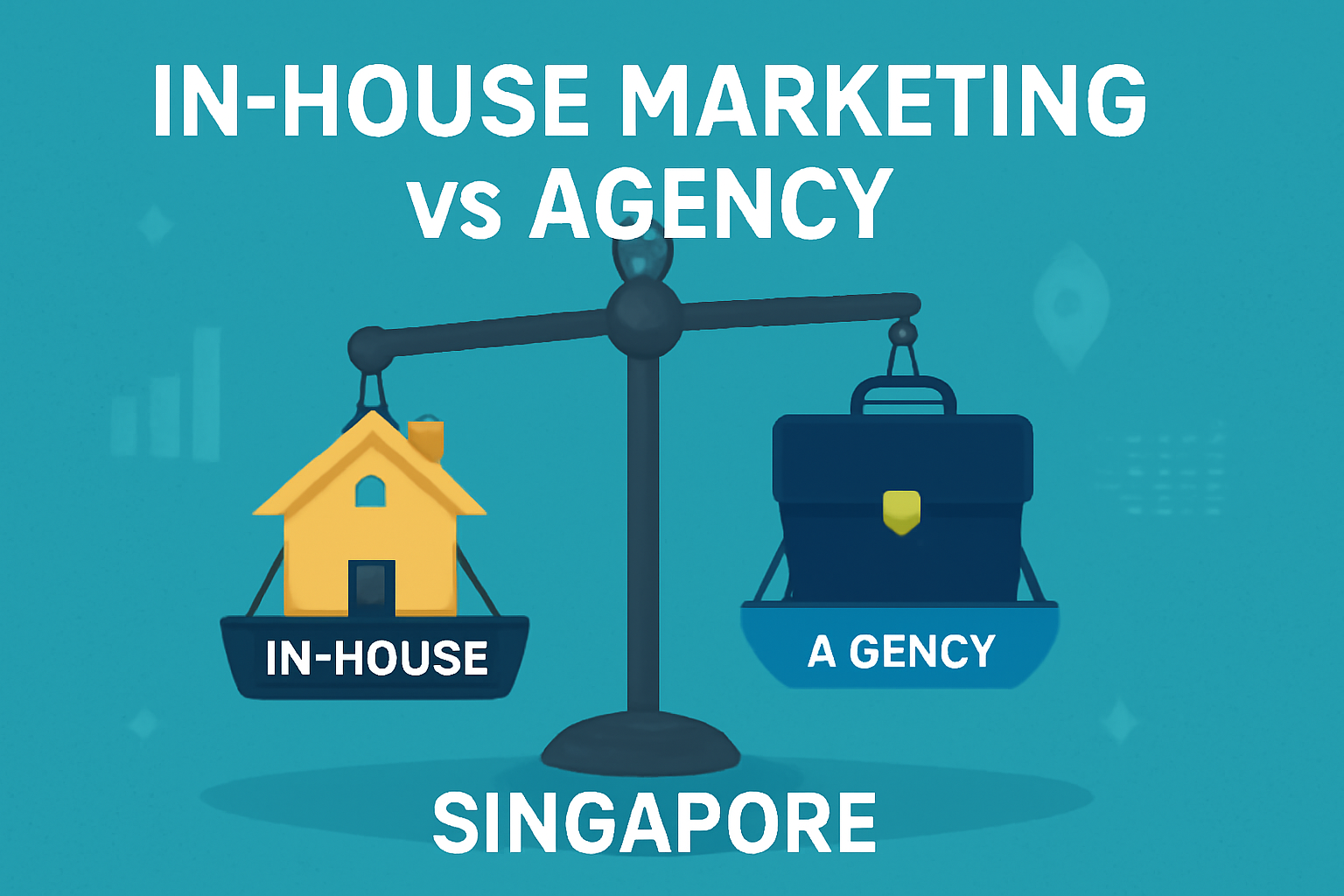
  • In-House Marketing vs Agency Singapore: Which Drives Better ROI?

    In-House Marketing vs Agency Singapore: Which Drives Better ROI?

    When it comes to marketing in Singapore, businesses face an important decision: should they build an in-house marketing team or partner with a marketing agency? Both options have their advantages and challenges, but which one delivers better ROI? In this article, we’ll compare marketing agency vs in-house Singapore to help you decide which model provides the most cost-effective and high-performing marketing strategy for your business.

    The In-House Marketing Approach

    In-house marketing teams are a popular choice for many businesses in Singapore, especially when companies want more control over their marketing efforts. With an in-house team, you have direct oversight and the ability to closely align marketing strategies with your business goals.

    Advantages of In-House Marketing:

    • Better Control and Communication: In-house teams can respond quickly to changes and have a direct understanding of your brand and its values.
    • Company Knowledge: In-house marketers are immersed in the company culture, giving them unique insights into your products, services, and audience.
    • Faster Turnaround: Since the team is dedicated solely to your business, you can expect quicker execution of campaigns and strategies.

    However, maintaining an in-house team can also have its challenges. It requires significant resources to hire, train, and retain employees, and the team may face limitations in expertise or capacity when handling diverse marketing needs.

    For a more comprehensive look at how in-house marketing can work for your business, check out this article on how businesses can scale effectively with SEO.

    The Agency Marketing Approach

    On the other hand, outsourcing your marketing to a specialized agency is another popular choice for businesses in Singapore. With an agency, you gain access to expert marketers who bring diverse skills and fresh perspectives, offering a comprehensive suite of services.

    Advantages of Hiring a Marketing Agency:

    • Expertise Across Multiple Channels: Agencies have experience managing complex campaigns across different digital channels like SEO, PPC, social media, and content marketing.
    • Scalability: Agencies can scale their efforts up or down based on your needs. Whether you need a small campaign or an extensive strategy, they have the resources to handle it.
    • Cost-Effectiveness: Instead of hiring multiple in-house specialists, agencies offer a more cost-effective solution by bundling various services under one roof.

    While agencies bring extensive expertise, businesses may sometimes find it challenging to maintain the same level of communication or flexibility as with an in-house team.

    For more on outsourcing marketing and leveraging expert skills, take a look at this article on integrating SEO with digital campaigns.

    In-House Marketing vs Agency Singapore: A Side-by-Side Comparison

    To help clarify the differences between the two models, let’s break down the key factors in a marketing agency vs in-house Singapore comparison:

    FactorIn-House MarketingMarketing Agency
    ControlHighMedium
    ExpertiseLimited to internal team knowledgeBroad, multi-channel expertise
    CostHigh (salaries, training, benefits)Medium (project-based or retainer fees)
    FlexibilityHighMedium (depends on contract terms)
    ScalabilityLimited by team sizeHigh (can adjust to business needs)
    Turnaround TimeQuickModerate (depends on project complexity)

    For businesses that need a flexible, scalable, and highly specialized approach, working with an agency may be the best choice. On the other hand, if maintaining direct control and company-specific knowledge is more important, an in-house team may be the better option.

    To learn more about building a high-performing marketing team, check out this article on how to optimize your marketing strategy.

    Which Option Delivers Better ROI?

    Ultimately, the decision between marketing agency vs in-house Singapore comes down to your business goals and resources. If your goal is to scale quickly and access expert insights across multiple channels, an agency may be the right choice. For businesses looking for more control and a deeper connection with their brand, an in-house team might be the better option.

    However, businesses that combine both approaches, working with an agency for specialized needs and maintaining an in-house team for day-to-day operations, often see the best results in terms of ROI.

    If you’re interested in optimizing your ROI, we can help you navigate the decision-making process with our expert guidance.

    Conclusion

    Both in-house marketing teams and agencies have their merits, and the right decision depends on the unique needs of your business. Whether you choose to build an in-house team or partner with a marketing agency, understanding the strengths and limitations of each approach will help you make an informed decision and maximize your marketing ROI.

    Want to improve your marketing ROI and learn how to optimize your strategy? Contact us today to get started with an integrated marketing strategy that works for you.

  • Google Ads and SEO Together: How One SME Cut CPA by 40% in Singapore

    Google Ads and SEO Together: How One SME Cut CPA by 40% in Singapore

    In the world of digital marketing, an integrated approach often leads to the best results. For businesses in Singapore, combining Google Ads and SEO Singapore efforts can significantly improve overall performance. In this case study, we’ll explore how a Singapore-based SME successfully integrated Google Ads with SEO to reduce its cost per acquisition (CPA) by 40%. The result? A more efficient omnichannel marketing strategy that boosted both paid and organic results.

    The Challenge: High CPA and Low Conversion Rates

    The SME in question, a local service provider in Singapore, had been using Google Ads as its primary paid marketing channel and relying on organic search for traffic. However, they were facing a challenge: their cost per acquisition (CPA) was high, and the return on investment (ROI) was not meeting expectations. Despite decent traffic levels, the conversion rate from both paid and organic channels was underperforming.

    The marketing team recognized that they needed a more integrated strategy to lower their CPA and improve the efficiency of their digital marketing efforts. This led them to explore the synergy between Google Ads and SEO Singapore as an omnichannel approach to drive more cost-effective leads.

    For more insights on combining paid and organic marketing strategies, check out this guide on digital campaigns that convert.

    The Solution: Integrating Google Ads with SEO for a Unified Strategy

    The marketing team decided to run an integrated Google Ads and SEO Singapore strategy that focused on leveraging the strengths of both paid and organic channels. Here’s how they did it:

    1. Keyword Synergy: Paid and Organic Alignment

    The first step was to align the keywords used in their Google Ads and SEO Singapore campaigns. They analyzed their top-performing SEO keywords and ensured those same keywords were used in their Google Ads campaigns. This allowed them to reinforce their presence on search engine results pages (SERPs) across both organic listings and paid ads.

    By targeting the same set of high-converting keywords through both paid ads and SEO, they were able to create a unified and dominant presence in search results. This not only improved visibility but also increased the likelihood of conversion.

    For more on keyword strategies for combining paid and organic channels, explore this SEO content writing guide.

    2. Using Data from Google Ads to Inform SEO Strategy

    Another key element of their strategy was using data from their Google Ads and SEO Singapore campaigns to refine their SEO efforts. For example, by analyzing the performance of paid ads, they identified high-converting keywords that had lower organic rankings. This insight allowed them to optimize those specific keywords in their SEO strategy, increasing their chances of ranking higher organically.

    This data-driven approach helped them not only improve their SEO but also refine their paid ads for maximum impact.

    To learn more about using data for SEO optimization, check out this guide on SEO analytics.

    3. Leveraging Retargeting with Google Ads

    Retargeting became an essential part of their integrated strategy. After optimizing their SEO efforts, they used Google Ads to retarget website visitors who hadn’t converted yet. By creating tailored ad campaigns targeting users who had already interacted with their website, they were able to nurture leads through the funnel and reduce their CPA.

    This retargeting strategy helped them increase conversions from the visitors who were already familiar with their brand, resulting in a more efficient use of ad spend.

    The Results: 40% Reduction in CPA

    By integrating Google Ads and SEO Singapore, the SME saw remarkable improvements in their digital marketing performance:

    • 40% Reduction in CPA: The integrated strategy resulted in a significant reduction in their cost per acquisition, making their marketing efforts more cost-effective.
    • Increased Conversion Rates: With a more targeted approach to both paid and organic traffic, the conversion rates improved, resulting in more qualified leads at a lower cost.
    • Better ROI: By aligning paid and organic strategies, they were able to achieve a more efficient and sustainable return on investment.

    For more on improving ROI with integrated digital marketing, check out this guide on maximizing digital campaigns.

    Conclusion

    This case study shows how integrating Google Ads and SEO Singapore can be a game-changer for businesses looking to improve both paid and organic results. By aligning their keywords, using paid data to inform SEO strategies, and incorporating retargeting tactics, the SME successfully reduced their CPA by 40% and increased conversions. An integrated approach to digital marketing not only improves efficiency but also boosts ROI, making it an essential strategy for any business looking to optimize their marketing efforts in Singapore.

    Ready to integrate Google Ads and SEO Singapore for better results? Contact us today to learn how we can help optimize your digital marketing strategy.