Category: SEO

  • Local Lead Generation Singapore: How to Turn Website Visits into Sales

    Local Lead Generation Singapore: How to Turn Website Visits into Sales

    In today’s digital world, simply attracting visitors to your website isn’t enough. For businesses in Singapore, turning those website visits into qualified leads and ultimately paying customers is key to sustained growth. In this step-by-step guide, we’ll walk you through local lead generation Singapore tactics designed to help you nurture visitors into loyal customers. From creating optimized lead funnels to leveraging inbound marketing strategies, you’ll learn how to successfully convert local traffic into tangible sales.

    1. Understanding Local Lead Generation for Singapore SMEs

    Before diving into specific tactics, it’s important to understand the concept of local lead generation Singapore. Unlike global lead generation, local lead generation focuses on targeting potential customers within a specific geographic location, ideal for SMEs looking to connect with nearby prospects.

    With the right tools and strategies, you can turn local website visits into highly targeted leads, helping you drive sales and grow your business. For a deeper dive into the importance of local SEO for lead generation, take a look at this guide on building lead generation funnels.

    2. Optimizing Your Website for Local Lead Generation

    The first step in local lead generation Singapore is ensuring your website is optimized to capture leads effectively. This includes having clear CTAs (Call-To-Actions), user-friendly design, and optimized landing pages for lead capture.

    How to Optimize:

    • Localize your content: Use local keywords that resonate with Singaporean users, such as “local lead generation Singapore” or “lead funnels Singapore”.
    • Simplify your forms: Ask only for essential information, such as name and email, to avoid overwhelming visitors.
    • Add clear CTAs: Encourage visitors to take action, such as downloading a guide or requesting a consultation.

    To learn more about how a well-designed website can drive lead generation, check out this article on website design strategies in Singapore.

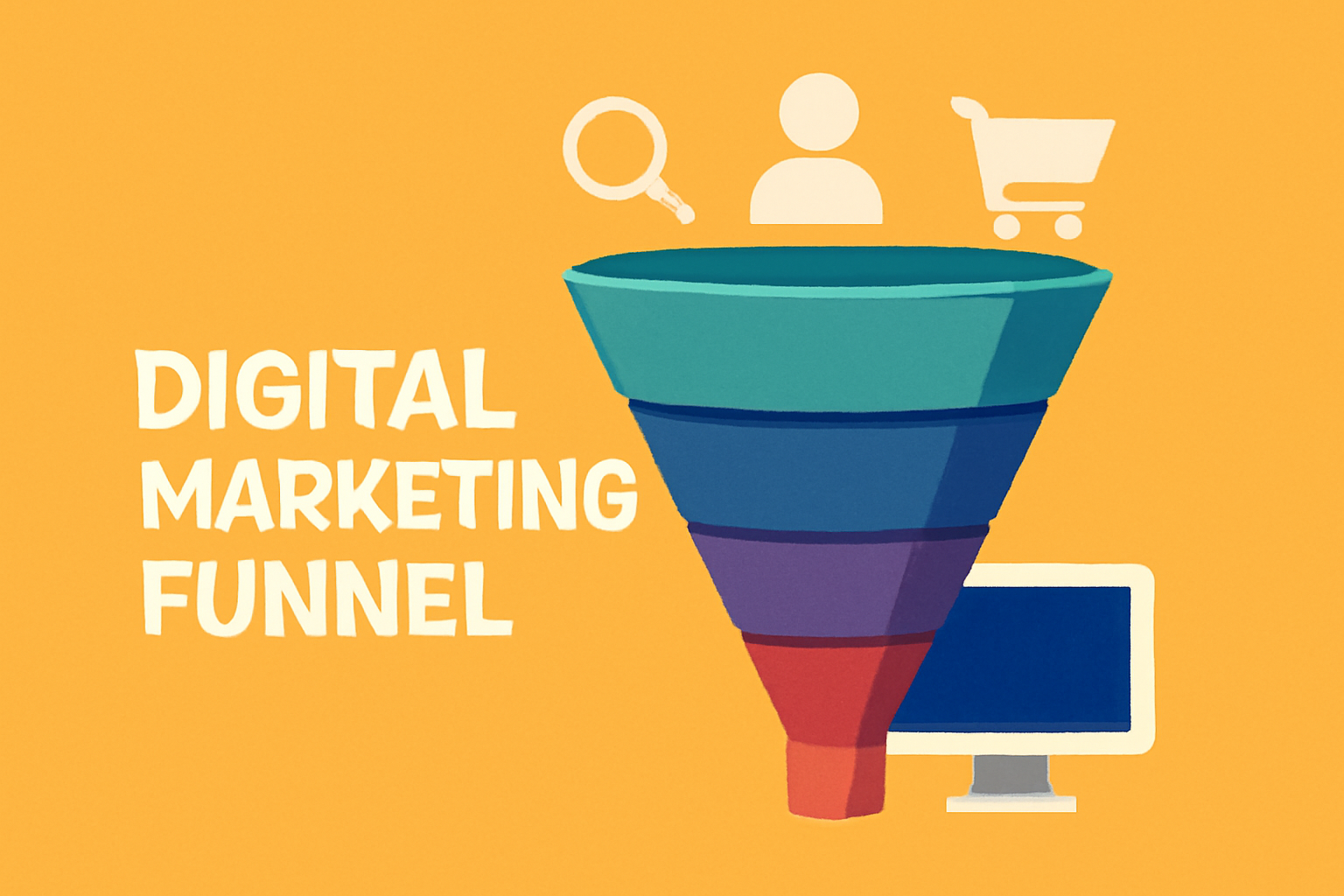
    3. Building Lead Funnels for Local Leads

    Lead funnels are essential for guiding potential customers through the buyer’s journey. For local lead generation Singapore, the key is to make the process as seamless as possible, from awareness to conversion.

    How to Build a Local Lead Funnel:

    • Top of Funnel (TOFU): Use content marketing like blog posts and guides to attract visitors. For example, create content that addresses common challenges for Singapore businesses.
    • Middle of Funnel (MOFU): Offer free resources or consultations to engage prospects. This could include webinars or eBooks related to your business.
    • Bottom of Funnel (BOFU): Have a strong, compelling offer ready, such as a discount or special promotion, to convert prospects into paying customers.

    For more information on how to optimize lead funnels for conversion, explore this article on lead generation mastery.

    4. Leveraging Local Inbound Marketing for Lead Generation

    Inbound marketing is a powerful strategy to attract, engage, and convert leads, especially for local lead generation Singapore. By creating content that resonates with local audiences, you can build trust and encourage more website visits.

    How to Leverage Inbound Marketing:

    • Create Localized Content: Write blog posts or create resources that specifically target issues faced by your local audience in Singapore.
    • Use Local SEO: Optimize your website with local keywords and ensure your business appears on Google My Business.
    • Social Media Engagement: Share local content, engage with your community, and encourage referrals to increase local leads.

    For more tips on local SEO, read this SEO content writing guide.

    5. Tracking and Analyzing Lead Generation Efforts

    To ensure your local lead generation Singapore strategies are working, you must track and analyze key metrics. This will help you refine your tactics and optimize for better results.

    How to Track Local Leads:

    • Use Google Analytics: Monitor traffic, bounce rates, and goal conversions to see which sources are bringing in the most valuable leads.
    • Set up lead tracking tools: Use CRM tools like HubSpot or Zoho to track leads from website visits to conversions.
    • Review performance regularly: Use data to adjust your approach and improve conversion rates over time.

    For further insights on analyzing digital campaign success, explore this guide on maximizing SEO for local businesses.

    Conclusion

    Local lead generation Singapore is a crucial component of any digital marketing strategy. By optimizing your website, building effective lead funnels, leveraging inbound marketing, and tracking your efforts, you can turn website visitors into qualified leads and paying customers. These strategies, combined with local SEO and content optimization, will help you grow your business and stay competitive in Singapore’s dynamic market.

    Ready to start generating local leads for your business? Contact us today to learn more about our lead generation strategies.

    FAQ

    Q1: How can I generate local leads in Singapore?
    A1: Start by optimizing your website with local keywords, building effective lead funnels, and leveraging inbound marketing strategies to engage your target audience.

    Q2: What are lead funnels, and how do they help with lead generation?
    A2: Lead funnels guide prospects through a series of steps, from awareness to conversion. A well-optimized funnel nurtures leads, helping turn visitors into paying customers.

    Q3: How do I track the success of my local lead generation campaigns?
    A3: Use tools like Google Analytics, CRM software, and lead tracking platforms to monitor the effectiveness of your campaigns and refine your strategies over time.

    Q4: Why is inbound marketing important for local lead generation?
    A4: Inbound marketing helps attract and engage your audience by providing valuable, relevant content. This strategy builds trust and encourages conversions from local visitors.

    Q5: How often should I review my lead generation strategy?
    A5: Regularly review your lead generation strategy, ideally every 3–6 months, to ensure you’re meeting your goals and optimizing based on performance data.

  • SEO Audit Singapore: Step-by-Step Website Health Check for SMEs

    SEO Audit Singapore: Step-by-Step Website Health Check for SMEs

    An SEO audit is essential for ensuring that your website is fully optimized to rank well in search engines and drive organic traffic. In Singapore, where the competition for online visibility is fierce, regular SEO audits can help small and medium enterprises (SMEs) address hidden issues and unlock higher rankings. This step-by-step guide will show you how to run an SEO audit Singapore to improve your website’s performance and increase its chances of ranking higher on Google.

    What Is an SEO Audit, and Why Is It Important for SMEs?

    An SEO audit Singapore is a comprehensive process that evaluates the health of your website’s SEO efforts. This audit helps identify issues related to technical SEO, content quality, backlink profile, and user experience. For SMEs in Singapore, where digital presence is crucial, an SEO audit provides valuable insights into how your website can be optimized for search engines, leading to better performance, higher organic traffic, and more conversions.

    For a deeper understanding of SEO strategies, explore this guide on maximizing digital campaigns for SMEs.

    Step 1: Check Website Crawlability and Indexing

    The first step in your SEO audit Singapore is to ensure that search engines can crawl and index your website effectively. This means checking that search engine bots can easily navigate through your site and discover all your important pages.

    How to Check:

    • Use Google Search Console to check if your site has any crawl errors.
    • Ensure your robots.txt file is not blocking important pages.
    • Use the “Fetch as Google” tool to see how Googlebot sees your pages.

    For a more detailed look into technical SEO, check out this article on SEO company strategies in Singapore.

    Step 2: Analyze Website Performance and Speed

    Website speed is a critical factor in both user experience and SEO. Slow loading times can negatively impact your rankings and increase bounce rates. Running an SEO audit Singapore should include checking your site’s speed to ensure it loads quickly across devices.

    How to Check:

    • Use tools like Google PageSpeed Insights or GTmetrix to test your website speed.
    • Aim for a loading time of under 3 seconds.
    • Optimize images, leverage browser caching, and minimize CSS/JS files to improve site speed.

    For tips on how to improve website performance, explore this article on data-driven success with SEO.

    Step 3: Conduct a Content Analysis

    The next step in your SEO audit Singapore is analyzing your website’s content. Content plays a significant role in determining how well your pages rank for relevant search terms. This step ensures that your content is high-quality, keyword-optimized, and valuable to your audience.

    How to Check:

    • Evaluate your keyword usage to ensure that target keywords are naturally incorporated.
    • Make sure your content provides value and answers user intent.
    • Identify and fix any content gaps or underperforming pages.

    For help in optimizing your content for SEO, check out this SEO content writing guide.

    Step 4: Evaluate Your Backlink Profile

    Backlinks are one of the most influential ranking factors for Google. In your SEO audit Singapore, evaluating your site’s backlinks is essential to understanding how authoritative your website is in the eyes of search engines.

    How to Check:

    • Use tools like Ahrefs or Moz to review your backlink profile.
    • Ensure that you have high-quality backlinks from authoritative websites.
    • Disavow any spammy or low-quality links that could hurt your rankings.

    For additional tips on improving your backlink strategy, read this guide on SEO for Singapore businesses.

    Step 5: Review Mobile Optimization

    With mobile traffic accounting for a significant portion of web traffic, ensuring that your website is mobile-friendly is crucial. An SEO audit Singapore should include a review of your site’s mobile performance and usability.

    How to Check:

    • Use Google’s Mobile-Friendly Test to see how your site performs on mobile devices.
    • Ensure that your website is responsive, meaning it adjusts well to various screen sizes.
    • Optimize mobile page loading times and improve mobile user experience.

    Step 6: Analyze User Experience and Engagement

    User experience (UX) is an important ranking factor that Google uses to determine website quality. A good SEO audit Singapore will evaluate user engagement metrics such as bounce rates, time on page, and conversion rates.

    How to Check:

    • Review Google Analytics to identify pages with high bounce rates.
    • Ensure that your website is easy to navigate, visually appealing, and accessible to all users.
    • Test your website on different devices and browsers to ensure consistency.

    For tips on improving UX and conversion rates, check out this article on SEO and website design for lead generation.

    Conclusion

    Running a thorough SEO audit Singapore is an essential step for any SME looking to improve its online visibility and rankings. By following the steps outlined above, you can identify and fix issues that are hindering your website’s performance, and ultimately unlock higher rankings and organic traffic. Regular SEO audits will help ensure that your site is fully optimized and that you’re staying ahead of the competition.

    If you’re ready to take your website to the next level with a comprehensive SEO audit Singapore, contact us today.

    FAQ

    Q1: How often should I conduct an SEO audit for my website?
    A1: Ideally, an SEO audit should be conducted at least once every 6 months to ensure your website is up to date with the latest SEO best practices and algorithm changes.

    Q2: What tools can I use for an SEO audit?
    A2: Some popular tools for conducting an SEO audit include Google Search Console, Ahrefs, SEMrush, Moz, and Google PageSpeed Insights.

    Q3: How can an SEO audit help my website’s rankings?
    A3: An SEO audit helps identify issues that may be negatively impacting your site’s rankings. By fixing these issues, you can improve your site’s performance and visibility on search engines.

    Q4: Is technical SEO important for an SEO audit?
    A4: Yes, technical SEO is crucial in an SEO audit. It ensures that your website is accessible to search engines, loads quickly, and is optimized for mobile devices.

    Q5: Can I perform an SEO audit on my own?
    A5: While you can perform basic SEO audits using tools, hiring a professional SEO expert can help uncover more complex issues and provide advanced recommendations.

  • Google Ads Targeting Singapore: Complete Guide for High-Quality Leads

    Google Ads Targeting Singapore: Complete Guide for High-Quality Leads

    Google Ads is one of the most powerful tools for businesses looking to drive high-quality leads and boost conversions. In Singapore, effective Google Ads targeting Singapore strategies are crucial to maximizing ROI. Whether you’re running search ads, display ads, or YouTube ads, knowing how to target the right audience can make all the difference. In this step-by-step guide, we’ll walk you through the best practices and strategies to optimize your Google Ads campaigns for high-quality leads in Singapore.

    1. Understanding Google Ads Targeting in Singapore

    Before diving into the specifics of targeting, it’s important to understand how Google Ads works in Singapore. Google Ads allows you to target your audience based on a variety of factors including demographics, location, interests, and even the devices they use. In Singapore, where consumers are tech-savvy, these features offer a great way to tailor your advertising to your ideal customer.

    To get started, it’s crucial to define your goals and understand your target audience. For instance, are you aiming for brand awareness, lead generation, or sales conversions? By identifying your goals, you’ll be able to create a more targeted and effective Google Ads targeting Singapore strategy.

    For tips on maximizing conversions with digital marketing, consider reading this article on digital campaign strategies.

    2. Google Ads Audience Targeting: The Basics

    Google Ads allows you to refine your audience based on several parameters. The key targeting methods include:

    a. Demographic Targeting

    Demographic targeting helps you focus on specific characteristics of your audience, such as age, gender, parental status, and household income. In Singapore, demographic targeting is essential to tailor your messaging to your specific audience.

    b. Location Targeting

    Location targeting enables you to display your ads to users based on specific geographical locations. For example, you can target Singaporean cities or specific districts to increase the relevance of your ads to local users.

    For more insights on creating targeted campaigns, check out this guide on SEO company strategies in Singapore.

    c. Interest and Behavioral Targeting

    Google Ads also allows you to target users based on their interests or behaviors. In Singapore, this can include targeting users who have shown interest in certain products, services, or industries.

    d. Device Targeting

    With mobile usage on the rise, targeting users based on the devices they use is critical. You can optimize your campaigns to target mobile users or desktop users, depending on where your customers are more likely to convert.

    3. Optimizing Google Ads Campaigns for High-Quality Leads

    To generate high-quality leads, it’s essential to optimize your Google Ads campaigns with the right strategies. Here are some best practices for optimizing your ads:

    a. Keyword Selection

    Selecting the right keywords is crucial for reaching high-quality leads. Use a combination of short-tail and long-tail keywords that are relevant to your business. Be sure to include Google Ads targeting Singapore in your keyword strategy to ensure local targeting.

    b. Ad Copy Optimization

    The ad copy should speak directly to your target audience’s pain points and needs. Highlight the unique benefits of your product or service and include strong calls-to-action (CTAs) that encourage users to take action. For example, you could use CTAs like “Get your free consultation now!” or “Start your free trial today.”

    c. A/B Testing

    Running A/B tests on your ad copy, landing pages, and audience targeting can help you identify which variations of your ads perform best. Use these insights to continuously improve your Google Ads targeting Singapore campaigns.

    For additional insights on how to drive more leads through Google Ads targeting Singapore, explore this article on lead generation mastery.

    d. Tracking and Analytics

    Utilizing Google Analytics and Google Ads reporting tools allows you to track the performance of your campaigns. Keep an eye on metrics like cost per conversion, click-through rate (CTR), and quality score to refine your campaigns over time.

    4. Refining Google Ads for Better ROI

    In Singapore, the competition for high-quality leads can be fierce, so refining your Google Ads targeting Singapore strategies is key to maximizing ROI. Focus on improving your ads’ quality score, which is based on the relevance of your keywords, the quality of your landing pages, and the CTR of your ads.

    For businesses looking to scale effectively through Google Ads, it’s important to continually optimize your bidding strategy and budget. Adjust your bids based on performance data to ensure you’re getting the best return on investment.

    Conclusion

    Optimizing Google Ads targeting Singapore is a crucial step toward achieving high-quality leads and boosting conversions. By carefully selecting your audience, refining your ad copy, and optimizing your campaigns, you can maximize the effectiveness of your Google Ads efforts. Whether you’re targeting local customers or expanding your reach, these strategies will help you succeed in the competitive Singapore market.

    If you’re ready to start targeting high-quality leads with Google Ads, contact us today.

    FAQ

    Q1: How do I target the right audience on Google Ads in Singapore?
    A1: Use demographic targeting, location targeting, and interest-based targeting to focus on the right audience. For local targeting, prioritize Singaporean cities and districts.

    Q2: How do I optimize my Google Ads campaigns for better performance?
    A2: Focus on keyword selection, optimizing ad copy, A/B testing, and leveraging Google Ads reporting tools to track performance and adjust your strategies accordingly.

    Q3: Can I use Google Ads to target mobile users in Singapore?
    A3: Yes, Google Ads allows you to target users based on the devices they use, so you can focus on mobile users or desktop users depending on your goals.

    Q4: What is A/B testing in Google Ads, and how does it help?
    A4: A/B testing allows you to test different variations of your ads, landing pages, and targeting to identify which ones perform the best, helping you refine your campaigns.

    Q5: How can I track the success of my Google Ads campaigns?
    A5: Use Google Analytics and Google Ads reporting tools to track key metrics like CTR, cost per conversion, and quality score to refine your campaigns over time.

  • Business Growth Singapore: Case Study for Singapore Businesses

    Business Growth Singapore: Case Study for Singapore Businesses

    In today’s competitive landscape, achieving business growth is a top priority for companies across Singapore. However, for businesses, especially SMEs, a well-defined digital strategy can make all the difference. This case study will explore how one company in Singapore successfully implemented a digital strategy that led to significant business growth. From refining their website content to optimizing their marketing campaigns, we’ll take you through the steps that helped them accelerate their business growth.

    The Challenge: Scaling Business Growth in a Competitive Market

    The company in this case study, a mid-sized SME in Singapore, faced significant challenges when it came to standing out in a crowded market. Despite having a quality product and loyal customers, however, they struggled with generating consistent leads and increasing their overall revenue.

    The key challenge was the lack of a cohesive digital strategy Singapore that aligned with their business goals. Additionally, the company’s online presence was underdeveloped, and they had limited insights into how their digital efforts could be better optimized for growth. As a result, this resulted in a slower-than-expected pace of business growth, ultimately making it harder to scale operations and compete effectively.

    The Solution: Implementing a Digital Strategy for Business Growth

    Understanding that digital transformation was key to business growth, the company partnered with a digital marketing expert to revamp its digital strategy Singapore. Here’s a breakdown of the key changes made:

    1. Optimizing Website Content

    The first step was optimizing the website to align with both SEO best practices and the user journey. By enhancing the website content and focusing on business growth Singapore as a core keyword, they were able to improve search engine rankings, increasing organic traffic. They also integrated internal links to product pages and added clear call-to-actions (CTAs) to drive conversions.

    For a better understanding of website strategies that drive growth, take a look at this SEO company Singapore guide.

    2. Leveraging Social Media Marketing

    The next part of the strategy involved improving their social media presence. By creating engaging content and using targeted ads, they were able to reach a wider audience. Social media platforms became key in driving awareness and engagement, which directly contributed to increased leads and sales.

    To dive deeper into digital campaigns, explore this article on digital marketing insights.

    3. Data-Driven Decision Making

    A major component of the digital strategy was adopting data-driven decision-making. They implemented tools to track user behavior and sales data, allowing them to fine-tune their efforts in real-time. By analyzing key metrics such as conversion rates, bounce rates, and customer acquisition costs, they were able to identify high-performing areas and optimize others.

    For businesses looking to understand the impact of data on digital growth, check out this data-driven success article.

    The Results: Achieving Significant Business Growth

    After implementing the new digital strategy Singapore, the company saw remarkable results in a short period. Here are some of the key outcomes:

    • Increase in Organic Traffic: With optimized content and a stronger focus on SEO, the company saw a 40% increase in organic search traffic.
    • Higher Conversion Rates: By refining their CTAs and improving website content, conversion rates increased by 25%.
    • Greater Brand Awareness: Through social media marketing, they were able to increase brand awareness, which led to a 30% increase in leads generated.

    The combination of these strategies led to a more streamlined approach to business growth Singapore, allowing the company to scale operations efficiently.

    Conclusion

    This case study demonstrates that achieving business growth Singapore is possible through a well-executed digital strategy. By focusing on key areas like website optimization, social media marketing, and data-driven decision-making, businesses can unlock their growth potential and remain competitive in Singapore’s dynamic market. If you’re looking to implement similar strategies for your business, it’s time to take the first step towards optimizing your digital presence.

    For expert guidance on how to implement a successful digital strategy Singapore, feel free to contact us.

    FAQ

    Q1: How can a digital strategy help with business growth in Singapore?
    A1: A digital strategy helps businesses in Singapore by improving online visibility, generating more leads, and driving higher conversion rates. By focusing on SEO, social media, and data analytics, businesses can optimize their efforts for growth.

    Q2: What are the key elements of a successful digital strategy?
    A2: Key elements include website optimization, targeted digital marketing campaigns, SEO, and data analytics to track performance and refine strategies in real-time.

    Q3: How do I measure business growth through digital strategies?
    A3: You can measure business growth through metrics such as organic traffic, conversion rates, lead generation, and sales performance. Tracking these helps you adjust your strategy to optimize results.

    Q4: What is the role of social media in business growth in Singapore?
    A4: Social media plays a critical role in increasing brand awareness, engaging with potential customers, and driving leads, especially when combined with targeted marketing campaigns.

    Q5: How often should a digital strategy be updated?
    A5: A digital strategy should be reviewed and updated regularly, at least every quarter, to ensure it aligns with evolving market trends and performance metrics.

  • Website Content Singapore: Best Practices for Singapore Businesses

    Website Content Singapore: Best Practices for Singapore Businesses

    In today’s competitive digital landscape, having compelling and optimized website content is critical to the success of any business. Especially for businesses in Singapore, content is more than just words, it’s a key part of your digital marketing strategy, driving both customer engagement and conversions. In this article, we will explore best practices for creating website content that not only attracts visitors but also converts them into loyal customers.

    The Importance of Website Content for Businesses in Singapore

    As a business owner in Singapore, it’s crucial to understand how website content plays a pivotal role in digital marketing. The quality of your content directly impacts SEO rankings, user experience, and ultimately, your revenue. Whether you’re a startup or a well-established company, your website’s content serves as your virtual storefront, engaging users, building credibility, and encouraging action.

    Best Practices for Website Content in Singapore

    Creating effective website content requires a strategic approach that balances creativity with SEO. Here are some best practices to ensure your website content stands out in Singapore’s competitive market:

    1. Focus on SEO-Optimized Copywriting

    Effective copywriting is key to driving organic traffic. For businesses in Singapore, SEO-optimized content is not just an option, it’s a necessity. Ensure that your target keywords, such as website content Singapore, copywriting Singapore, and SEO content, are incorporated naturally throughout the content. This will improve your website’s search engine rankings and make it easier for potential customers to find your business online.

    For example, integrating keywords strategically in headings and subheadings (H1, H2, etc.) improves readability and optimizes the page for search engines. Also, remember to include internal links to other relevant pages, such as this guide on SEO agency strategies in Singapore, for better site navigation and SEO benefits.

    2. Prioritize User Experience (UX)

    Your website content should always consider the user experience. In Singapore, where consumers are tech-savvy, offering a seamless experience across all devices is essential. Ensure your content is easy to read, well-structured, and visually appealing. Break down large blocks of text with bullet points, short paragraphs, and headings that guide readers to important information.

    For more tips on website design and UX, check out this article on best practices for web design Singapore. This will help you design content that’s not only informative but also engaging.

    3. Provide Value with Relevant Content

    In Singapore, businesses that provide value to their customers through informative, relevant content are more likely to build trust and establish authority in their niche. Think about what your audience wants to know and provide solutions to their problems. For instance, if you’re in the F&B industry, sharing tips on how to create allergy-friendly menus or offering insights into food trends can add value to your audience.

    This article on revenue growth solutions through SEO can show you how integrating SEO content writing can help boost business growth and increase lead generation.

    4. Use Compelling CTAs (Call-to-Actions)

    A strong call-to-action (CTA) is essential to guide your visitors toward taking the next step. Whether it’s filling out a contact form, signing up for a newsletter, or requesting a consultation, your CTA should be clear and strategically placed throughout the page.

    For businesses looking to improve their lead generation, we recommend using CTAs that prompt visitors to take immediate action. Consider embedding a CTA like this: Get in touch with us today.

    5. Incorporate Testimonials and Social Proof

    Building trust is crucial for businesses in Singapore. One effective way to enhance your website content is by adding testimonials and case studies that demonstrate your success and customer satisfaction. This could include customer reviews, success stories, or awards that showcase your business’s credibility.

    For further inspiration, you can explore how content marketing strategies and SEO can help businesses succeed, as detailed in this digital campaign strategy article.

    Conclusion

    The content you provide on your website plays a significant role in driving digital success for your business. By following these best practices for website content Singapore, you can enhance your SEO efforts, improve user engagement, and ultimately boost your business’s digital growth. Whether you’re a small startup or an established company, effective website content is an essential element of your overall marketing strategy.

    If you’re looking to optimize your website content and improve your digital presence, reach out to us for expert guidance and strategies tailored to your business needs.

    FAQ

    Q1: How can I improve my website content’s SEO ranking in Singapore?
    A1: Incorporate relevant keywords naturally, ensure your content is optimized for both search engines and users, and provide valuable, engaging content. You can also enhance rankings by linking to other relevant pages, such as this SEO guide.

    Q2: What is the best structure for website content in Singapore?
    A2: Use clear headings, short paragraphs, bullet points, and optimize your content for mobile users. Prioritize UX design by ensuring fast loading times and responsive design.

    Q3: Can professional copywriting help my Singapore business’s website?
    A3: Yes, professional copywriting can significantly improve the quality and effectiveness of your website content. By targeting the right keywords and crafting engaging copy, it can help you rank higher in search engines and convert visitors into customers.

    Q4: How often should I update my website content?
    A4: Regularly updating your content is crucial to maintaining its relevance and boosting SEO performance. Aim to update your content at least every 6–12 months, or more frequently if your industry experiences rapid changes.

    Q5: How can I track the success of my website content?
    A5: You can track the success of your content through analytics tools like Google Analytics. Monitor metrics such as page views, bounce rates, and conversion rates to determine how well your content is performing.

  • Why Your Keyword Research Isn’t Working (And How to Fix It)

    Why Your Keyword Research Isn’t Working (And How to Fix It)

    Introduction: The Real Reason Your Keywords Aren’t Ranking

    Many SMEs struggle with keyword research Singapore strategies because they choose keywords based on guesswork, surface-level tools, or competitor copying. The result? Content that doesn’t rank, pages that don’t convert, and campaigns that don’t reflect real search intent.

    These expert insights reveal the biggest keyword research mistakes, and how Singapore businesses can fix them to build sustainable, high-ranking SEO content.

    7 Reasons Your Keyword Research Isn’t Working (And How to Fix Each One)

    1. You’re Targeting Keywords That Are Too Broad

    Many SMEs pick keywords like “SEO services” or “web design” without realising they’re competing with massive agencies and directories.
    Ranking for broad, high-volume keywords won’t happen without authority, backlinks, and extensive content depth.

    Modern keyword success often starts with long-tail, intent-based keywords, an approach reinforced by the structured content methodology demonstrated in Google Ads Management Singapore: Insights for Singapore Businesses.

    Fix: Target more specific phrases such as “SEO consultant for SMEs Singapore” or “B2B website redesign Singapore.”

    2. You Prioritise Search Volume Instead of Search Intent

    High volume doesn’t equal high conversions. Many keywords with thousands of searches have poor buyer intent, leading to traffic with little to no business impact.

    Intent-focused keyword selection aligns better with lead generation, similar to how strategic content funnels are built in Brand Marketing Singapore Success: Website Development & Lead Generation Best Practices.

    Fix: Choose keywords based on why users search, not how many search.

    3. You’re Ignoring How Local Search Behaviour Works in Singapore

    Search behaviour in Singapore is unique, shorter queries, mixed languages, and strong reliance on mobile. Many businesses miss local variations like:

    • “best [service] sg”
    • “near me” searches
    • brand + location combinations

    Fix: Optimise for Singapore-specific phrasing and incorporate geo-intent where relevant.

    4. You Have No Content Cluster Supporting Your Keyword Strategy

    Single pages rarely rank on their own today. Google rewards topical authority.
    Without supporting content, pillar guides, internal links, and subtopics, rankings stagnate.

    Cluster strategies work best when supported by high-quality content frameworks similar to those used in Digital Campaigns That Convert: SEO Content Writing Strategies for Revenue Growth.

    Fix: Build clusters:

    • 1 pillar page
    • 6–12 supporting pages
    • internal linking that reinforces context

    5. You’re Not Updating Outdated Keywords

    Search patterns evolve quickly, especially in competitive industries like real estate, finance, fitness, and beauty. Keywords from 2020 or 2022 may no longer reflect user demand.

    Fix: Refresh keyword lists every quarter and identify emerging queries with rising intent.

    6. You Copy Competitor Keywords Without Understanding Their Authority

    A well-known competitor with thousands of backlinks can rank for keywords you cannot, yet.
    Blindly copying their keyword targets leads to wasted effort and mismatched difficulty levels.

    Fix: Choose keywords aligned with your domain strength, content library, and backlink profile.

    7. You Don’t Match Keywords to Funnel Stages

    Many businesses combine top-of-funnel keywords with bottom-of-funnel content, which confuses Google and weakens relevance.

    Fix: Align each keyword category with funnel stages:

    • TOF: “how to choose a website designer”
    • MOF: “best website design companies Singapore”
    • BOF: “website redesign cost Singapore”

    Consistency boosts both rankings and conversion paths.

    Conclusion

    Effective keyword research Singapore strategies require more than a list of popular phrases. To rank well and convert consistently, your content needs intent-based targeting, local search alignment, structured content clusters, and regular optimisation.

    When done correctly, keyword research becomes a long-term growth engine, not guesswork.

    If you want expert guidance building a keyword strategy that finally drives rankings and leads,
    👉 Contact GOSG Consulting.

  • What Does SEO Actually Cost in Singapore? [2025 Breakdown]

    What Does SEO Actually Cost in Singapore? [2025 Breakdown]

    Introduction: Why SEO Pricing Confuses Most Singapore Businesses

    One of the most common questions SMEs and marketing managers ask is: “How much does SEO actually cost in Singapore?”

    The truth: SEO cost Singapore varies widely depending on the agency, your industry, website condition, and the competitiveness of your keywords. Many businesses overspend because they don’t know what they’re truly paying for.

    This checklist gives you a clear 2025 breakdown of what influences SEO pricing, and how to evaluate which SEO plan matches your goals and budget.

    Singapore SEO Cost Checklist: What You’re Really Paying For

    1. Website Audit & Technical Fixes

    Every SEO campaign begins with a technical audit. Costs increase if your site requires heavy restructuring.
    Issues like broken links, slow loading speeds, and indexing problems directly affect rankings.

    If you want to understand how technical improvements impact performance, the resource on website analytics and performance testing gives helpful context.

    Cost Range:
    SGD 300–2,000 depending on depth and complexity.

    2. Keyword Research & Competitive Analysis

    SEO pricing also factors in how competitive your niche is.
    Finance, property, e-commerce, and legal industries tend to cost more due to aggressive competition.

    Strategic content frameworks like the one described in integrated SEO growth for Singapore SMEs show how keyword strategy shapes long-term ROI.

    Cost Range:
    SGD 200–800 per project.

    3. On-Page Optimisation (Core SEO Work)

    This includes:

    • Optimised titles & meta descriptions
    • Internal linking
    • Page structure improvements
    • Alt tags
    • Content cleanup

    Your SEO cost increases when multiple pages require optimisation.

    Cost Range:
    SGD 100–300 per page for one-time optimisation
    OR
    Included in monthly plans

    4. Content Creation (Blogs, Pages, Landing Pages)

    High-quality, search-optimised content is one of the biggest contributors to SEO pricing.

    The methods outlined in brand marketing and lead-gen content strategies demonstrate how strong website content improves rankings and conversions.

    Cost Range:
    SGD 150–500 per blog
    SGD 300–1,200 per landing page
    Higher for expert-level content that requires interviews, data, or technical depth.

    5. Backlink Building & Digital PR

    Backlinks are still one of the most important ranking factors, but the cost varies depending on the quality of sites you’re targeting.

    Cost Range:
    SGD 80–500 per link
    Premium sites cost significantly more.

    6. Monthly Retainer (Most Common for Singapore Businesses)

    SEO retainers usually include:

    • Monthly SEO reporting
    • Ongoing optimisation
    • Content creation
    • Technical fixes
    • Backlink support
    • Strategy reviews

    Average Monthly SEO Cost in Singapore:
    SGD 800–3,500 per month
    Enterprise-level: SGD 5,000+

    If you’re evaluating long-term support, GOSG’s main consulting page provides a good overview of what’s included:
    ➡️ https://gosgconsulting.com/

    7. Results Timeline (Which Also Impacts Price)

    Faster results require more aggressive SEO work — which comes with higher cost.
    Typical timelines:

    • Low-competition niches: 3–6 months
    • Medium competition: 6–12 months
    • High competition: 12–24 months

    2025 SEO Cost Summary Table

    SEO ComponentLow RangeHigh Range
    Website Audit$300$2,000
    Keyword Research$200$800
    On-Page SEO$100/page$300/page
    Monthly Retainer$800$3,500+
    Backlinks$80/link$500+/link
    Blog Content$150$500

    Conclusion

    SEO cost varies widely in Singapore, but choosing the right partner makes the investment predictable, transparent, and ROI-focused.
    Whether you’re planning a one-time SEO cleanup or a long-term growth strategy, understanding the real SEO cost Singapore helps you make confident, well-informed decisions.

    If you’d like help estimating a realistic SEO budget for your industry,
    👉 Contact GOSG Consulting

  • Building Quality Backlinks: A Singapore Business Owner’s Guide

    Building Quality Backlinks: A Singapore Business Owner’s Guide

    Introduction: Why Backlinks Matter for Singapore Businesses

    If you’ve ever wondered why your competitors rank higher on Google even when your content is stronger, the answer is often backlinks. In Singapore’s competitive digital landscape, link building Singapore is one of the most impactful SEO strategies for improving authority, search rankings, and long-term traffic.

    But building quality backlinks is not about spamming directories or buying links. It requires strategy, relevance, and trusted sources.
    This step-by-step guide shows Singapore business owners how to build high-quality backlinks safely and effectively.

    Step 1: Understand What “Quality Backlinks” Really Mean

    Quality backlinks come from websites that are:

    • Authoritative
    • Relevant to your industry
    • Trusted by Google
    • Contextual (placed naturally within content)

    A strong starting point is understanding how SEO contributes to overall growth. This guide on SEO Company Singapore breaks down how content and authority work together to improve rankings.

    Pro Tip: Focus on acquiring fewer but higher-quality backlinks instead of chasing volume.

    Step 2: Optimise Your Website Content First

    Backlink outreach only works when your site has strong content worth linking to.
    This includes:

    • In-depth blog guides
    • Product/service landing pages
    • Case studies
    • Data-driven articles
    • Industry insights

    To improve content structure and discoverability, explore this guide on Website Design for Lead Generation.

    Action Step: Identify your 3–5 “linkable assets” before doing outreach.

    Step 3: Build Local Singapore Citations & Foundational Links

    Local citations help build credibility and geographic relevance. These can include:

    • Singapore business directories
    • Trade associations
    • Local chamber listings
    • Industry-specific portals

    This step ensures Google trusts your business details before ranking you for more competitive terms.

    Pro Tip: Consistency in your business name, address, and phone number (NAP) is essential.

    For more structured SEO foundations, review this resource on Technical SEO Singapore.

    Step 4: Start Outreach for High-Quality Backlinks

    Here are methods that work especially well for Singapore businesses:

    1. Guest posting on industry-relevant websites

    Offer valuable insights or case studies in exchange for a contextual backlink.

    2. Collaborations with partners or suppliers

    Request backlinks from existing business partners, these are highly relevant and trusted.

    3. Press features & interviews

    Great for brand authority and natural backlinks.

    4. Local thought leadership

    Publish insights on platforms like LinkedIn or contribute to conference pages.

    5. Sponsor community events or charity drives

    Most come with a mention and backlink from the organiser’s website.

    Step 5: Use Digital PR & Content Assets for Natural Links

    Certain content formats attract links without outreach:

    • Data reports
    • Industry statistics
    • Infographics
    • Tools and templates
    • Case studies

    Singapore media outlets and bloggers often pick up unique data-led stories, making digital PR a high-ROI backlink strategy.

    Step 6: Monitor, Track & Improve Your Backlink Profile

    Once backlinks start coming in, monitor:

    • Total referring domains
    • Domain authority of your new links
    • Anchor text diversity
    • Toxic or spammy links (which you should disavow)
    • Ranking improvements

    Tools like Ahrefs, Google Search Console, and Semrush help track backlink growth and keyword momentum.

    If you need help analysing your backlink profile, GOSG’s home page offers integrated SEO and analytics solutions:
    👉 https://gosgconsulting.com/

    Conclusion

    Quality backlinks are one of the most powerful ranking factors in Google’s algorithm. For Singapore businesses, mastering link building Singapore means improving visibility, attracting organic traffic, and building long-term brand authority.

    With the right strategy: content-led outreach, local citations, digital PR, and strong linkable assets—you can create a sustainable link-building framework that grows month after month.

    If you’d like expert support building a safe, scalable backlink strategy,
    👉 Contact GOSG Consulting

    FAQs

    1. Is link building still important in Singapore?
    Yes. Backlinks remain one of Google’s strongest ranking factors for authority and trust.

    2. How long does link building take?
    Quality link building takes 2–3 months to see movement, and 6–12 months for strong ranking gains.

    3. Is buying backlinks risky?
    Yes. Paid links, link farms, and irrelevant blogs can trigger penalties. Always prioritise organic, contextual links.

    4. What type of content attracts backlinks most?
    Guides, data reports, infographics, and expert insights tend to perform best.

  • SEO Trends Singapore 2025: Checklist for Singapore Businesses

    SEO Trends Singapore 2025: Checklist for Singapore Businesses

    Introduction: Staying Ahead in Singapore’s SEO Landscape

    Singapore’s digital competition has reached new heights, and with AI-driven algorithms reshaping Google’s results pages, the old SEO playbook no longer applies. To stay visible, businesses need to align with the latest SEO trends Singapore 2025. This checklist helps Singapore SMEs future-proof their SEO strategies using data, structure, and AI-ready content frameworks inspired by GOSG Consulting’s SEO expertise

    1. Prioritise User Intent Over Keywords

    Keyword stuffing is obsolete. In 2025, Google’s algorithm prioritises intent clarity. Instead of focusing solely on volume, successful businesses map every piece of content to user goals, whether informational, navigational, or transactional.
    📋 Action: Audit your top 10 landing pages to ensure intent alignment across copy, headings, and metadata.

    2. Optimise for AI Overviews and Search Generative Experience (SGE)

    Google’s Search Generative Experience (SGE) now surfaces summarised answers powered by AI. To appear in these summaries, your site must offer structured data and semantically rich content.
    📋 Action: Add schema markup for FAQs and articles. Learn how data-driven content supports visibility in Singapore’s 2025 content marketing revolution

    3. Improve Website Performance and Core Web Vitals

    With Singapore’s fast mobile-first audience, loading speed directly impacts SEO rankings and conversions. In 2025, Core Web Vitals, including LCP (Largest Contentful Paint) and INP (Interaction to Next Paint), are non-negotiable metrics.
    📋 Action: Conduct quarterly audits using PageSpeed Insights. Partner with a web design agency that optimises both user experience and technical SEO.

    4. Build Authoritative Backlinks and Mentions

    Backlinks still matter, but Google now emphasises contextual relevance and brand mentions more than raw link counts. Collaborating with local publications and niche blogs strengthens E-E-A-T (Experience, Expertise, Authoritativeness, Trustworthiness).
    📋 Action: Reference Singapore-based industry insights like SEO company case studies to build contextual credibility.

    5. Create AI-Readable, Structured Content

    AI tools rely on clean structure to interpret and repurpose content. In 2025, well-outlined headers (H2s, H3s), concise paragraphs, and clear data points determine how your content is summarised across platforms.
    📋 Action: Reformat existing long-form articles into modular sections. Learn from data-driven content frameworks that feed both human readers and AI crawlers.

    6. Local SEO Is More Important Than Ever

    With Singapore consumers increasingly searching ‘near me’ queries, Google Business Profile optimisation remains crucial. Regular review updates, service listings, and geo-tagged photos directly impact local rankings.
    📋 Action: Assign monthly reviews and update your NAP (Name, Address, Phone) across all listings.

    7. Leverage Predictive Analytics for SEO Reporting

    The best SEO decisions in 2025 come from predictive dashboards that forecast rankings, traffic, and ROI. Tools like GA4 and Looker Studio integrate cross-channel data for clearer insights.
    📋 Action: Build automated dashboards like those discussed in Looker Studio performance analytics to monitor your SEO trends in real time.

    Conclusion: Build a Future-Ready SEO Framework

    SEO in Singapore 2025 demands adaptability, structured data, and measurable insights. Treat this checklist as a live document, revisiting each point quarterly ensures your website remains competitive, discoverable, and conversion-optimised.

    👉 Contact GOSG Consulting today to transform your SEO into a data-driven growth strategy.

    FAQs

    1. What are the main SEO trends in Singapore for 2025? 

    Key trends include AI Overviews, predictive analytics, faster mobile-first experiences, and structured content for SGE visibility.

    2. How often should I update my SEO strategy? 

    Review your SEO strategy at least every quarter to adapt to Google algorithm updates and market shifts.

    3. Does AI content affect SEO performance? 

    Yes, AI-generated content performs best when combined with human editing, clear structure, and factual accuracy.

    4. Why is Core Web Vitals important for SEO? 

    They directly impact user experience and ranking, making fast, responsive websites a key factor in SEO success.

    5. Can GOSG Consulting help me implement these SEO trends? 

    Absolutely. GOSG offers complete SEO, content, and analytics integration tailored for Singapore businesses.

  • Marketing ROI Singapore: Case Study for Singapore Businesses

    Marketing ROI Singapore: Case Study for Singapore Businesses

    Introduction: Turning Marketing Spend into Measurable ROI

    For many Singapore SMEs, marketing spend often feels like a gamble. Teams invest in SEO, Google Ads, and Meta Ads, yet struggle to measure what actually drives leads and revenue. This case study explores how GOSG Consulting helped a local B2B company achieve a 212% marketing ROI in just six months through integrated analytics, SEO, and performance tracking.

    The Challenge: Disconnected Campaigns, No Clear ROI

    Before partnering with GOSG Consulting, the client’s marketing was fragmented. SEO was outsourced to one vendor, Google Ads were handled internally with no keyword tracking, and Meta Ads ran with boosted posts but no conversion data. The result: data silos, inflated costs, and no clear return on investment. Many Singapore businesses face this same challenge, spending heavily without a centralised reporting system to prove what’s working.

    The Solution: Data-Driven Marketing Integration

    GOSG Consulting designed a unified marketing architecture combining:
    1. SEO Optimisation – focused on intent-based keywords and landing-page alignment using proven SEO strategies.
    2. Google Ads Conversion Tracking – implemented enhanced conversions through GA4 and Looker Studio.
    3. Meta Ads Retargeting – built sequential remarketing funnels for warm leads.
    4. Dashboard Reporting – customised Looker Studio dashboards gave real-time ROI visibility for management.

    This integrated approach followed the same data methodology discussed in this case study on digital marketing integration, showing how cross-channel insights drive exponential gains.

    The Results: From Spend to Strategy

    Within six months:
    – Leads increased by 148% across Google and Meta Ads.
    – Cost per acquisition dropped by 37%.
    – Marketing ROI rose by 212%.

    By connecting performance data across platforms, the client could finally see which campaigns generated revenue, and where to scale budget efficiently. These results mirror findings from data-driven success stories in Singapore marketing, proving that structured analytics can redefine marketing performance.

    Lessons Learned

    – ROI measurement must start before the campaign, not after.
    – Integrate Google Ads, Meta Ads, and SEO data under one dashboard.
    – Focus on cost-per-qualified-lead, not vanity metrics like clicks or impressions.
    – Invest in tracking architecture as much as in ad spend.

    When Singapore businesses connect analytics with strategy, marketing ROI shifts from an expense to a measurable growth engine.

    Conclusion: Build a Marketing Strategy That Proves Its Worth

    If your business struggles to track or justify marketing costs, it’s time to adopt an integrated framework. Let GOSG Consulting help you align SEO, Google Ads, and analytics into one growth-driven system.

    👉 Contact GOSG Consulting today and start turning your marketing spend into measurable ROI.

    FAQs

    1. What is marketing ROI in Singapore? 

    Marketing ROI measures the revenue generated for every dollar spent on campaigns. It’s especially critical in Singapore’s competitive digital space, where ad costs are rising.

    2. How can I calculate my marketing ROI? 

    Use the formula: (Revenue – Marketing Cost) ÷ Marketing Cost × 100%. Tools like Looker Studio or Google Analytics 4 simplify this process.

    3. Why is marketing ROI difficult to track?

    Many SMEs don’t integrate tracking across SEO, Google Ads, and Meta Ads. Centralised dashboards and unified UTM tracking are key.

    4. How often should marketing ROI be reviewed? 

    Monthly reviews are best to align ad spend with lead performance and make agile budget adjustments.

    5. Can GOSG Consulting help improve my marketing ROI? 

    Yes, GOSG offers integrated SEO, paid ads, and reporting solutions designed to optimise ROI for Singapore businesses.