Category: SEM

  • Marketing ROI Singapore: Case Study for Singapore Businesses

    Marketing ROI Singapore: Case Study for Singapore Businesses

    Introduction: Turning Marketing Spend into Measurable ROI

    For many Singapore SMEs, marketing spend often feels like a gamble. Teams invest in SEO, Google Ads, and Meta Ads, yet struggle to measure what actually drives leads and revenue. This case study explores how GOSG Consulting helped a local B2B company achieve a 212% marketing ROI in just six months through integrated analytics, SEO, and performance tracking.

    The Challenge: Disconnected Campaigns, No Clear ROI

    Before partnering with GOSG Consulting, the client’s marketing was fragmented. SEO was outsourced to one vendor, Google Ads were handled internally with no keyword tracking, and Meta Ads ran with boosted posts but no conversion data. The result: data silos, inflated costs, and no clear return on investment. Many Singapore businesses face this same challenge, spending heavily without a centralised reporting system to prove what’s working.

    The Solution: Data-Driven Marketing Integration

    GOSG Consulting designed a unified marketing architecture combining:
    1. SEO Optimisation – focused on intent-based keywords and landing-page alignment using proven SEO strategies.
    2. Google Ads Conversion Tracking – implemented enhanced conversions through GA4 and Looker Studio.
    3. Meta Ads Retargeting – built sequential remarketing funnels for warm leads.
    4. Dashboard Reporting – customised Looker Studio dashboards gave real-time ROI visibility for management.

    This integrated approach followed the same data methodology discussed in this case study on digital marketing integration, showing how cross-channel insights drive exponential gains.

    The Results: From Spend to Strategy

    Within six months:
    – Leads increased by 148% across Google and Meta Ads.
    – Cost per acquisition dropped by 37%.
    – Marketing ROI rose by 212%.

    By connecting performance data across platforms, the client could finally see which campaigns generated revenue, and where to scale budget efficiently. These results mirror findings from data-driven success stories in Singapore marketing, proving that structured analytics can redefine marketing performance.

    Lessons Learned

    – ROI measurement must start before the campaign, not after.
    – Integrate Google Ads, Meta Ads, and SEO data under one dashboard.
    – Focus on cost-per-qualified-lead, not vanity metrics like clicks or impressions.
    – Invest in tracking architecture as much as in ad spend.

    When Singapore businesses connect analytics with strategy, marketing ROI shifts from an expense to a measurable growth engine.

    Conclusion: Build a Marketing Strategy That Proves Its Worth

    If your business struggles to track or justify marketing costs, it’s time to adopt an integrated framework. Let GOSG Consulting help you align SEO, Google Ads, and analytics into one growth-driven system.

    👉 Contact GOSG Consulting today and start turning your marketing spend into measurable ROI.

    FAQs

    1. What is marketing ROI in Singapore? 

    Marketing ROI measures the revenue generated for every dollar spent on campaigns. It’s especially critical in Singapore’s competitive digital space, where ad costs are rising.

    2. How can I calculate my marketing ROI? 

    Use the formula: (Revenue – Marketing Cost) ÷ Marketing Cost × 100%. Tools like Looker Studio or Google Analytics 4 simplify this process.

    3. Why is marketing ROI difficult to track?

    Many SMEs don’t integrate tracking across SEO, Google Ads, and Meta Ads. Centralised dashboards and unified UTM tracking are key.

    4. How often should marketing ROI be reviewed? 

    Monthly reviews are best to align ad spend with lead performance and make agile budget adjustments.

    5. Can GOSG Consulting help improve my marketing ROI? 

    Yes, GOSG offers integrated SEO, paid ads, and reporting solutions designed to optimise ROI for Singapore businesses.
  • Meta Ads vs Google Ads Singapore: Trends for Singapore Businesses

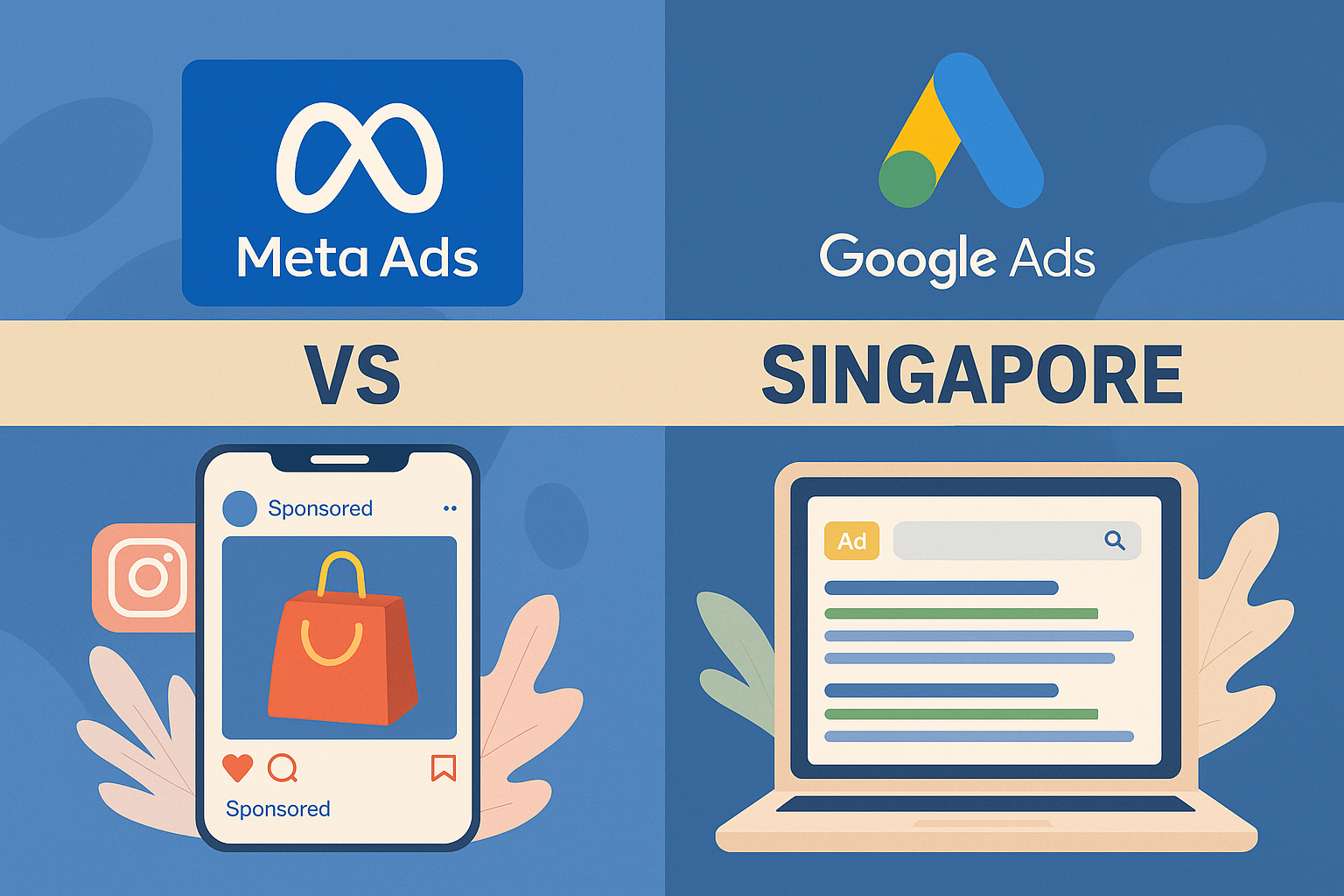
    Meta Ads vs Google Ads Singapore: Trends for Singapore Businesses

    In Singapore’s rapidly evolving digital economy, brands are constantly balancing between Meta Ads and Google Ads for better ROI. Both are powerful platforms, one thrives on discovery and storytelling, while the other dominates intent-based search.

    This guide breaks down how Meta Ads vs Google Ads Singapore perform across cost, targeting, and audience behaviour, helping you choose the best mix for 2025 growth.

    1. Platform Overview

    FeatureMeta Ads (Facebook & Instagram)Google Ads (Search & Display)
    Core StrengthVisual storytelling and engagementHigh-intent keyword targeting
    Best Use CaseBrand discovery, awareness, and retargetingDirect lead generation and sales
    Ad FormatsImage, carousel, video, reelsSearch, display, shopping, YouTube
    Learning CurveCreative-focusedData and keyword-driven

    Meta Ads build emotional connections through visuals, while Google Ads captures people ready to take action. Discover how smart design impacts campaign engagement in this GOSG web design insight.

    2. Targeting Capabilities

    Meta Ads:

    Meta’s Advantage+ AI targeting helps advertisers reach users beyond basic demographics by analysing purchase behaviour and content engagement. It’s ideal for lifestyle, retail, and social-driven campaigns. Learn more about data-driven ad optimisation in this GOSG analytics guide.

    Google Ads:

    Google Ads uses keyword intent and audience segments (Affinity, In-Market, Custom Audiences) to deliver ads at the exact moment users are searching. It’s perfect for high-competition sectors like finance, property, and education. See how intent-based targeting scales results in this GOSG SEO strategy article.

    3. Cost and ROI Comparison

    MetricMeta AdsGoogle Ads
    Average CPC (SGD)0.80 – 1.501.20 – 4.50
    CPM (Cost per 1,000 impressions)$10 – $18$12 – $28
    Conversion IntentLow to MediumHigh
    Best Use CaseAwareness, retargeting, storytellingDirect lead generation, e-commerce

    While Meta Ads are more cost-efficient for reach, Google Ads provides higher conversion intent. Balancing both creates full-funnel synergy. Explore how content-led campaigns drive ROI in this GOSG content marketing success case study.

    4. Creative vs Intent-Driven Advertising

    Meta Ads rely on visual creativity: bold imagery, emotional messaging, and lifestyle storytelling. It’s where brands build relationships. Google Ads is intent-driven, optimising around search behaviour, keyword accuracy, and landing page experience. It’s where brands close sales. See how Singapore businesses merge both in this GOSG integrated marketing example.

    5. Integration & Funnel Strategy

    Rather than choosing between them, successful businesses in Singapore integrate both platforms:
    1. Meta Ads: Build awareness and nurture cold audiences.
    2. Google Ads: Capture high-intent leads from retargeted traffic.
    3. Reporting Systems: Measure ROI and optimise weekly.

    For cross-channel analytics setups, read this GOSG performance measurement guide.

    6. Which Works Best for Your Business?

    Business TypeRecommended PlatformWhy
    New StartupsMeta AdsBuild brand visibility affordably
    SMEsGoogle AdsTarget high-intent leads efficiently
    E-CommerceBothRetarget on Meta, convert on Google
    B2B FirmsGoogle AdsLead generation & measurable ROI
    Retail / LifestyleMeta AdsStorytelling & audience engagement

    Conclusion

    In 2025, it’s no longer Meta Ads vs Google Ads: it’s Meta + Google Ads. Meta drives discovery, while Google converts interest into measurable sales. Combining both unlocks sustained visibility, reach, and ROI for Singapore businesses.

    Get in touch with GOSG Consulting today to create an integrated ad ecosystem that amplifies growth across all channels.

    FAQs

    1. Are Meta Ads cheaper than Google Ads?
    Yes, Meta’s CPC is usually lower, making it great for awareness and retargeting campaigns.

    2. Which platform delivers faster results?
    Google Ads drives immediate leads; Meta Ads strengthens long-term brand trust.

    3. Can both platforms work together?
    Absolutely, combining Meta and Google Ads provides the best conversion funnel.

    4. What’s the trend for 2025?
    AI-driven automation, dynamic creative optimisation, and unified ad reporting are leading trends in Singapore’s digital landscape.

  • Google Ads for SMEs Singapore: Insights for Singapore Businesses

    Google Ads for SMEs Singapore: Insights for Singapore Businesses

    For many small and medium-sized enterprises (SMEs) in Singapore, Google Ads remains one of the fastest and most cost-effective ways to generate leads and sales. Yet, many businesses struggle with wasted spend, poor ad quality scores, and unclear campaign structures.

    This checklist gives you a practical roadmap to make your Google Ads for SMEs Singapore campaigns efficient, measurable, and results-driven.

    1. Define Clear Campaign Objectives

    Before you spend a single dollar, set a measurable goal. Are you trying to:
    – Generate leads?
    – Drive e-commerce sales?
    – Increase brand awareness?

    Each objective will shape your bidding strategy, ad copy, and landing page design.

    Read more on aligning campaign goals in this GOSG Ads Management guide.

    2. Conduct Keyword Research for SME Niches

    Keywords determine your visibility, and cost. Use Google Keyword Planner or Ahrefs to identify affordable, high-intent search terms related to your business.
    Focus on:
    – Long-tail keywords (“affordable office cleaning Singapore”)
    – Local intent keywords (“near me”, “Singapore”)

    Learn how to match keywords to intent in this GOSG SEO strategy post.

    3. Set a Realistic Daily Budget

    Start small, especially for SMEs testing campaigns. A daily budget of SGD $20–$50 allows you to collect enough data without overspending.

    As you learn what converts, increase spending gradually.

    4. Optimise Ad Copy and Extensions

    Great ads win clicks, not just impressions. Write clear, keyword-focused ad headlines and include:
    – Callout Extensions (free delivery, 24/7 support)
    – Sitelink Extensions (to key pages or offers)
    – Call Extensions (for direct contact)

    To understand how ad structure impacts conversions, visit this GOSG web design for conversions guide.

    5. Use Targeted Campaign Types

    Depending on your goal, choose the right Google Ads format:
    – Search Ads: High-intent users searching for your service.
    – Display Ads: Brand awareness and remarketing.
    – Performance Max: AI-driven, cross-channel optimisation.

    Combine formats for a full-funnel strategy that targets users at every stage.

    6. Implement Conversion Tracking

    If you can’t track results, you can’t improve them. Install Google Tag Manager (GTM) and connect it with Google Analytics 4 (GA4) to track key events like:
    – Form submissions
    – Calls
    – WhatsApp clicks

    Learn how to build complete analytics systems in this GOSG reporting and analytics case study.

    7. Optimise Landing Pages for Quality Score

    Even with great ads, poor landing pages can destroy ROI. Ensure:
    – Fast loading time (<3 seconds)
    – Strong headline matching ad intent
    – Clear CTA buttons
    – Minimal distractions

    Explore effective design strategies in GOSG’s Website Design Services.

    8. Monitor and Adjust Weekly

    Every week, check key metrics like:
    – Click-Through Rate (CTR)
    – Cost Per Click (CPC)
    – Conversion Rate (CVR)
    – Return on Ad Spend (ROAS)

    Pause low-performing ads and test new ones using A/B variations. You can manage performance smarter through GOSG’s Paid Ads Services.

    9. Use Remarketing Campaigns

    Many visitors don’t convert on their first visit. Retarget them with special offers or dynamic ads showing previously viewed products.

    10. Review Monthly Performance Reports

    Create automated dashboards in Google Looker Studio for monthly campaign insights. Track performance by channel, keyword, and conversion path to understand your ROI clearly.

    You can automate monthly insights with GOSG’s Reporting Services.

    Conclusion

    For SMEs in Singapore, Google Ads can deliver high-quality leads fast, but only when structured with clarity, data, and consistency. Start small, test continuously, and optimise relentlessly for long-term ROI.

    Get in touch with GOSG Consulting today to build a Google Ads strategy that drives real business growth.

    FAQs

    1. What’s the minimum ad budget for SMEs in Singapore?
    Start with SGD $20/day and scale as performance improves.

    2. Should I use manual or automated bidding?
    Smart Bidding is recommended for data-rich campaigns; manual works for early testing.

    3. How do I reduce wasted ad spend?
    Use negative keywords, device targeting, and performance-based budget allocation.

    4. Can Google Ads work without a website?
    It’s possible, but landing pages always improve conversions and tracking accuracy.

  • Lead Generation Singapore: Guide for Singapore Businesses

    Lead Generation Singapore: Guide for Singapore Businesses

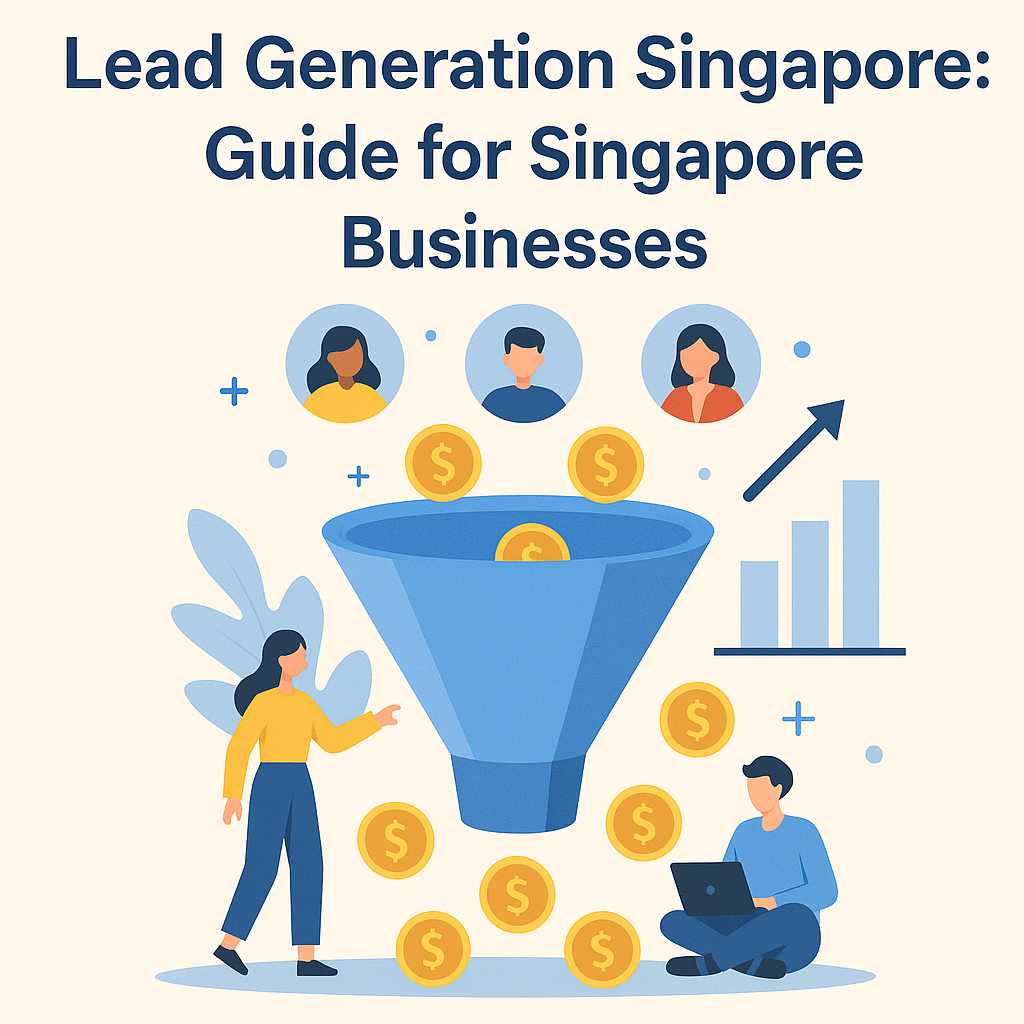
    For Singapore businesses, lead generation is the heartbeat of digital growth. Whether you’re running ads, optimising SEO, or nurturing email campaigns, your ultimate goal remains the same — to convert strangers into loyal customers.

    This lead generation Singapore guide walks through proven frameworks, channels, and strategies that consistently deliver qualified leads for SMEs and corporate teams.

    1. What Is Lead Generation?

    Lead generation is the process of attracting and converting potential customers interested in your product or service. It involves creating valuable touchpoints across digital channels — from social media to SEO — to capture intent-driven traffic.

    In today’s Singapore market, effective lead generation combines:
    – Content marketing for awareness
    – SEO and PPC for visibility
    – Landing pages for conversions
    – Automation and CRM for nurturing

    For an overview of how web design impacts conversion funnels, explore this GOSG article on website design for lead generation.

    2. Core Lead Generation Channels for Singapore Businesses

    a. Search Engine Optimisation (SEO)

    SEO builds consistent, organic traffic by ranking your business for relevant keywords. It’s the foundation for sustainable long-term leads.

    See how GOSG optimises content performance in this SEO strategy guide.

    b. Google Ads (Search & Display)

    Paid search campaigns offer instant visibility and measurable ROI. By bidding on high-intent keywords, Singapore businesses can generate leads within days.

    c. Meta Ads (Facebook & Instagram)

    Social media remains a powerful platform for generating leads through visuals, videos, and storytelling. Meta Ads allow precise targeting and retargeting to drive conversions.

    d. Content Marketing

    Content establishes trust, positions authority, and educates potential customers. Case studies, guides, and comparison articles help nurture leads organically.

    e. Email and Marketing Automation

    Automation nurtures leads through scheduled emails and personalised sequences. It keeps your business top-of-mind and shortens the sales cycle.

    You can integrate email tracking and segmentation via GOSG’s Analytics & Reporting services.

    3. Optimising Your Lead Funnel

    A high-performing lead funnel includes:
    1. Attract – Reach potential customers through SEO, ads, and content
    2. Engage – Offer value via free guides, webinars, or consultations
    3. Convert – Use optimised landing pages with clear CTAs
    4. Nurture – Automate follow-ups to turn leads into clients

    For real-world insights, review this GOSG integrated marketing framework.

    4. Tracking Lead Generation Performance

    Success in lead generation depends on analytics. You should monitor:
    – Conversion rate (CVR)
    – Cost per lead (CPL)
    – Lead-to-customer ratio
    – Time to conversion

    With tools like Google Analytics 4 (GA4) and Looker Studio, businesses can visualise their ROI clearly.

    For detailed tracking methods, see GOSG’s data-driven success article.

    5. Common Mistakes to Avoid

    MistakeWhy It HurtsFix
    Poor landing page UXIncreases bounce rateOptimise design and CTAs
    No tracking setupYou can’t measure ROIImplement GA4 + Tag Manager
    Generic targetingWastes ad spendUse audience segmentation
    Weak content strategyLimits SEO growthPublish value-driven blogs

    6. Building a Long-Term Lead Generation Strategy

    Lead generation isn’t a one-time campaign, it’s an ongoing system. Successful Singapore businesses align all digital touchpoints under one goal: consistent conversion growth.

    Combine web design, SEO, and paid ads into one ecosystem for maximum efficiency.

    Get in touch with GOSG Consulting today to build a lead generation strategy that drives measurable growth.

    FAQs

    1. How long does it take to see results from lead generation in Singapore?
    Typically 2–3 months for SEO and 1–2 weeks for Google Ads campaigns.

    2. What’s the best way to capture leads?
    Use landing pages with forms, pop-ups, and lead magnets like free consultations or reports.

    3. How much budget should I allocate to lead generation?
    Start with 10–20% of your marketing spend, adjusting based on ROI.

    4. What industries benefit most from lead generation?
    Finance, real estate, education, and professional services all see strong returns.

  • Google Ads Budget Singapore: Roadmap for Singapore Businesses

    Google Ads Budget Singapore: Roadmap for Singapore Businesses

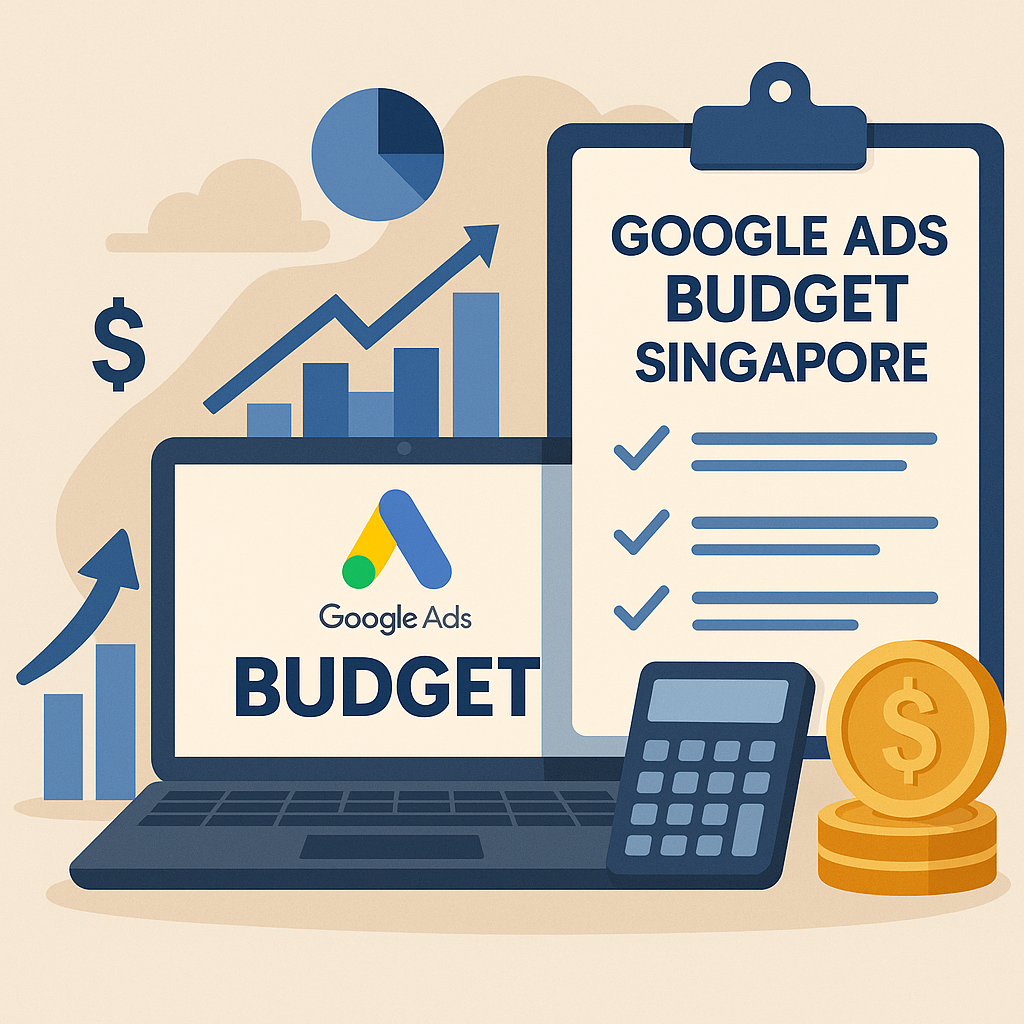
    Running Google Ads without a clear budget plan is like driving without GPS, you’ll spend money but may not reach your destination. In Singapore’s competitive ad market, setting the right Google Ads budget Singapore is essential for balancing cost and performance.

    This step-by-step guide outlines how to plan, allocate, and optimise your ad spend to achieve measurable ROI, no wasted clicks, no guesswork.

    Step 1: Define Your Campaign Objectives

    Before deciding how much to spend, identify what you’re trying to achieve:
    – Lead generation for services
    – E-commerce sales
    – Brand awareness
    – Website traffic

    Each objective requires different bidding strategies and daily budgets. For example, conversion-based campaigns need higher bids than awareness ads.

    Learn how campaign goals shape strategy in this GOSG Google Ads management guide.

    Step 2: Calculate Your Ideal Daily Budget

    Start with your target monthly ad spend, then divide it by 30.4 (average days in a month).
    Use the formula below:

    Daily Budget = Monthly Budget ÷ 30.4

    Example: If you plan to spend SGD $1,200/month, your daily budget will be about $39/day.

    Pro Tip: Begin with smaller test campaigns for 1–2 weeks to gauge CPC (Cost Per Click) and conversion rate before scaling.

    Get a full understanding of ROI analysis through GOSG’s Paid Ads service.

    Step 3: Understand Cost-Per-Click (CPC) in Singapore

    Average CPCs vary depending on the industry:

    IndustryAverage CPC (SGD)Competition Level
    E-commerce0.80 – 2.00Medium
    Education1.50 – 3.00High
    Finance / Insurance4.00 – 8.00Very High
    F&B / Retail0.70 – 1.50Low to Medium


    To stay competitive, monitor the “Top of Page Bid (Low/High Range)” metrics in your Google Ads dashboard. For keyword efficiency strategies, explore this GOSG SEO content guide.

    Step 4: Allocate Budget by Campaign Type

    A balanced Google Ads account typically includes:
    – Search Ads (40–60%) — high-intent traffic
    – Display Ads (20–30%) — brand awareness and remarketing
    – Performance Max (10–20%) — automated full-funnel optimisation

    Keep at least 10–15% of your total monthly budget for A/B testing new ad copy, creatives, and audience segments.

    For examples of integrated ad performance, read this GOSG ROI-focused campaign article.

    Step 5: Track Conversions and Adjust Weekly

    Never set a Google Ads budget and forget it. Use Google Analytics 4 (GA4) or Looker Studio dashboards to track metrics like:
    – Cost per acquisition (CPA)
    – Conversion rate
    – Return on ad spend (ROAS)

    If a campaign exceeds your target CPA, lower bids or pause underperforming keywords.

    For automated reporting and tracking solutions, view GOSG’s Reporting & Analytics service.

    Step 6: Consider External Factors and Seasonality

    In Singapore, ad competition peaks during events like:
    – Lunar New Year
    – 11.11 & 12.12 sales
    – Christmas / Holiday shopping

    Increase your budget by 15–20% during these high-conversion windows to stay visible. Then, scale back during slower months to maintain efficiency.

    Step 7: Review and Optimise Monthly

    Every 30 days, review:
    – Which campaigns generated the best CPA
    – Which keywords produced low ROI
    – Whether your conversions align with your business goals

    Continue reallocating budget toward top-performing segments. This ensures your money consistently supports profitable clicks.

    Conclusion

    Setting your Google Ads budget Singapore strategically ensures your marketing dollars work smarter, not harder. When you monitor performance, allocate wisely, and adjust regularly, you’ll achieve predictable results and sustainable ROI.

    Get in touch with GOSG Consulting today to build and manage Google Ads campaigns that deliver measurable returns.

    FAQs

    1. What’s the minimum budget to start Google Ads in Singapore?
    Start from SGD $20/day, then scale once you gather performance data.

    2. Should I use automated bidding?
    Yes, Google’s Smart Bidding optimises based on performance data, but it works best with consistent conversions.

    3. How often should I adjust my Google Ads budget?
    Review every 2–4 weeks depending on data volume and campaign goals.

    4. What’s the best ROI benchmark?
    Most SMEs aim for 3x–5x ROAS (Return on Ad Spend).


  • Google Ads vs SEO Singapore: Insights for Singapore Businesses

    Google Ads vs SEO Singapore: Insights for Singapore Businesses

    When it comes to digital marketing, the biggest debate for Singapore businesses often comes down to one question: Should we invest in Google Ads or SEO?

    Both channels drive visibility on Google, but they operate very differently. SEO focuses on organic, long-term growth, while Google Ads offers instant visibility through paid placements.

    This comparison breaks down the strengths, weaknesses, and ideal use cases for Google Ads vs SEO Singapore, helping you make data-driven budget decisions that maximise ROI.

    Understanding the Core Difference

    AspectGoogle Ads (SEM)SEO (Search Engine Optimisation)
    Cost ModelPay-per-click (PPC)No direct cost per click
    Results SpeedImmediateGradual (3–6 months)
    LongevityStops when ads stopCompounds over time
    ControlHigh — full budget and targeting controlModerate — algorithm-dependent
    PlacementAppears above organic resultsRanks organically
    TrackingInstant data via Google Ads DashboardLong-term data via Google Analytics and Search Console

    When managed strategically, both channels can complement each other: Google Ads for short-term acquisition and SEO for sustainable growth.

    Google Ads: Speed and Precision Targeting

    Google Ads is perfect for businesses that need fast results or have limited launch windows (e.g., events, promotions, or new product rollouts).

    Its biggest advantage lies in target precision, you can target specific demographics, devices, and even localities like “near me” searches in Singapore.

    Advantages

    – Immediate website traffic and conversions
    – Precise location and keyword targeting
    – Measurable ROI within days
    – Full control over ad copy, budget, and bidding strategy

    Discover how structured campaigns drive better ROI in this GOSG Google Ads management case study.

    Limitations

    – Requires ongoing budget, stop spending, and visibility disappears
    – Competitive industries like finance or insurance can see CPCs above SGD $10
    – Short-term focus without continuous optimisation

    For step-by-step optimisation frameworks, explore GOSG’s Paid Ads service.

    SEO: Building Sustainable Authority

    Unlike Google Ads, SEO is an investment that continues to pay dividends long after the initial work is done. It involves optimising your website for search intent, structure, and content relevance.

    When executed properly, SEO builds trust, authority, and organic discoverability, which are essential for long-term visibility in Singapore’s competitive online ecosystem.

    Advantages

    – Consistent, compounding traffic growth
    – Builds domain authority and credibility
    – Lower long-term cost per acquisition
    – Aligns with Google’s evolving AI search models

    Learn how structured content creation amplifies organic growth in this GOSG SEO writing strategy article.

    Limitations

    – Takes time (3–6 months) to see measurable results
    – Requires ongoing optimisation and content refreshes
    – More algorithm-sensitive than paid campaigns

    For foundational improvements, GOSG’s SEO services integrate both on-page and technical frameworks for sustained ranking improvements.

    When to Use Google Ads vs SEO in Singapore

    Business ScenarioRecommended ChannelReason
    New product or launchGoogle AdsInstant visibility and conversions
    Limited budget, long-term growthSEOLower cost per lead over time
    Seasonal promotions or eventsGoogle AdsQuick engagement and tracking
    Established brand improving organic reachSEOBuilds long-term domain authority
    Businesses needing leads fastGoogle AdsPredictable and measurable

    Cost Comparison in Singapore

    ChannelAverage Monthly CostROI Timeline
    Google AdsSGD $1,000 – $10,000+Immediate (days to weeks)
    SEOSGD $1,200 – $4,000Mid to long term (3–6 months)

    For an example of integrated performance growth, see this GOSG multi-channel success framework.

    Expert Insight: Why Integration Wins

    Businesses that combine both channels often see 25–40% higher ROI than those relying on one alone. SEO insights can identify high-performing keywords that can be scaled through Ads, while Ads data helps refine organic content targeting.

    Learn how this synergy drives results in GOSG’s digital marketing strategy article.

    Conclusion

    Both Google Ads and SEO are vital tools in a marketer’s toolkit, but the best results come when they’re used together.

    Google Ads provides instant visibility, while SEO builds lasting credibility. By aligning both strategies under one analytics framework, your business can maximise every click and conversion.

    Get in touch with GOSG Consulting today to build a unified Google Ads and SEO strategy that drives real, measurable business growth.

    FAQs

    1. Is SEO better than Google Ads in Singapore?
    Neither is “better”, SEO is long-term and cost-efficient, while Google Ads is fast and targeted.

    2. Can I run SEO and Google Ads together?
    Yes, combining both creates stronger data insights and accelerates growth.

    3. What is the best budget split between SEO and Ads?
    Many SMEs start with a 60/40 split: 60% SEO for sustainability, 40% Ads for immediate leads.

    4. How long should I run Google Ads before switching to SEO?
    Ideally 3–6 months, using Ads data to identify profitable keywords for SEO campaigns.

  • Google Ads Campaign Structure Singapore: Roadmap for Singapore Businesses

    Google Ads Campaign Structure Singapore: Roadmap for Singapore Businesses

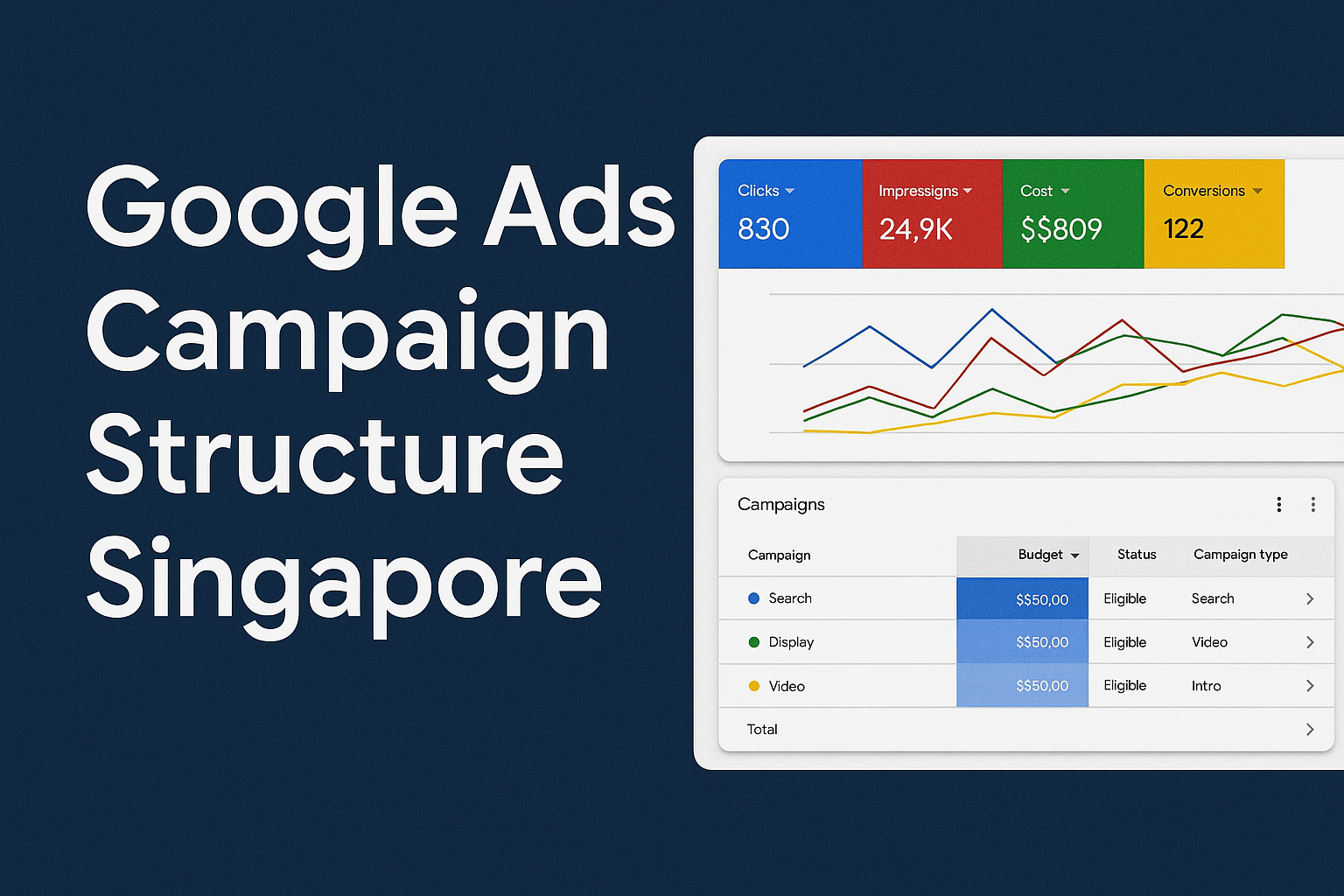
    Running Google Ads without a clear campaign structure often leads to wasted ad spend and inconsistent performance. Many SMEs in Singapore struggle to understand how to properly set up Google Ads campaign structures that align with their business goals, audiences, and budgets.

    A well-planned structure ensures clarity, control, and scalability, allowing you to optimise your SEM Singapore strategy effectively. Here’s your step-by-step roadmap to build a Google Ads campaign framework that converts clicks into measurable growth.

    Step 1: Define Clear Campaign Objectives

    Every effective ad campaign starts with a goal. Are you aiming to generate leads, boost e-commerce sales, or build brand awareness?

    When you define objectives upfront, you can tailor ad formats, bidding strategies, and conversion actions more effectively. For example:
    – Lead generation campaigns: Focus on form submissions or WhatsApp clicks.
    – Sales campaigns: Optimise for transactions and cart values.
    – Awareness campaigns: Prioritise reach and impression share.

    For businesses combining SEO and paid ads, explore how integrated campaigns amplify ROI in this GOSG article.

    Step 2: Structure by Product, Service, or Intent

    Avoid mixing multiple offerings in a single campaign. Instead, organise by business objectives or audience intent.

    Example of a well-structured Google Ads account:
    – Campaign: “Web Design Services Singapore”
      – Ad Group 1: “Corporate Website Design”
      – Ad Group 2: “E-Commerce Website Design”
    – Campaign: “SEO Packages Singapore”
      – Ad Group 1: “SEO for SMEs”
      – Ad Group 2: “Technical SEO Audit”

    This type of segmentation allows better budget control and clearer performance tracking. For instance, if you’re promoting your web services, link directly to your Website Design service page to ensure relevance and stronger Quality Scores.

    Step 3: Use Single Keyword Ad Groups (SKAGs) Where Possible

    Grouping similar keywords together ensures your ads match user intent precisely.
    For example:
    – Ad Group 1: “Google Ads management Singapore”
    – Ad Group 2: “SEM agency Singapore”

    This setup helps Google understand your relevance better and increases your click-through rate (CTR). It’s a proven ad optimisation tactic used by GOSG’s Paid Ads team for high-performing campaigns.

    Step 4: Optimise Ad Copy and Extensions

    Strong ad copy directly affects CTR and Quality Score. Use compelling headlines that reflect search intent:
    – “Boost Leads with Targeted Google Ads in Singapore”
    – “Get Instant Results with Smart SEM Campaigns”

    Don’t forget ad extensions, callouts, sitelinks, and structured snippets, to increase ad visibility. For content-driven ad strategies, refer to Singapore’s 2025 Content Marketing Revolution for ideas on crafting conversion-focused messages.

    Step 5: Implement Data-Driven Tracking and Reporting

    Tracking performance is where most campaigns fall short. Ensure that conversions, calls, form fills, WhatsApp messages, are accurately captured.

    Integrate tools like Google Tag Manager and GA4 to monitor user behaviour. You can further enhance insights using GOSG’s Reporting & Analytics Service for custom dashboards and attribution models that identify your most valuable clicks.

    Step 6: Continuous Optimisation and Budget Reallocation

    SEM in Singapore is competitive, and market trends change rapidly. Review your campaigns weekly:
    – Pause low-performing keywords
    – Shift budgets to high-ROAS ad sets
    – Test new creatives or landing pages

    Stay agile. Consistent data reviews are key to maintaining profitability. You can see how GOSG leverages analytics in this case study.

    Conclusion

    A well-structured Google Ads campaign in Singapore is more than setup, it’s strategy, testing, and data-driven refinement. With the right structure, SMEs can turn ad spend into predictable growth and consistent lead generation.

    Get in touch with GOSG Consulting today to build a Google Ads strategy that maximises ROI and supports your long-term digital marketing goals.

    FAQs

    1. What’s the most common mistake in Google Ads campaign setup?
    Mixing too many products or services in one campaign, which leads to poor ad relevance and higher CPC.

    2. How often should I review my Google Ads campaigns?
    Weekly reviews are recommended to adjust bids, refine keywords, and monitor performance metrics.

    3. Can I run both Google Search and Display campaigns together?
    It’s best to separate them, each serves different user intents and requires distinct strategies.

    4. What budget should a Singapore SME start with?
    A good starting point is $1,000–$2,000/month per campaign for sufficient data and optimisation cycles.

  • Google Ads Management Singapore: Insights for Singapore Businesses

    Google Ads Management Singapore: Insights for Singapore Businesses

    Introduction

    Google Ads management Singapore is essential for SMEs that want to scale profitably in a competitive market. For many SMEs in Singapore, running ads on Google feels like a gamble. Without a clear strategy, campaigns burn through budgets with little return. That is why Google Ads management in Singapore is critical for businesses that want to maximise ROI and scale digital growth effectively.

    Why Businesses Choose Google Ads in Singapore

    Google Ads remains one of the fastest ways to reach customers. With a strong paid ads strategy, businesses can:
    • Target high-intent keywords where customers are ready to buy
    • Control daily budgets and CPCs
    • Reach customers across search, display, YouTube, and Gmail
    • Track performance through measurable conversions

    The Role of a PPC Agency in Singapore

    Working with the right PPC agency in Singapore can mean the difference between wasted clicks and profitable campaigns. Agencies like GOSG provide:
    • Campaign setup aligned with business goals
    • Keyword targeting and negative keyword filters
    • Ad copy and creative testing for maximum CTR
    • Advanced tracking with customised reporting dashboards

    Strategies for Effective Google Ads Management

    1. Granular campaign structure: Grouping keywords and ads tightly improves Quality Scores
    2. Ongoing optimisation: Adjusting bids, audiences, and schedules based on live performance
    3. Remarketing: Bringing back website visitors with tailored ads
    4. Landing page optimisation: Pairing ads with strong website design to improve conversion rates
    5. Integrated campaigns: Combining Google Ads with social media marketing for cross-channel results

    Common Mistakes to Avoid

    • Running campaigns without negative keywords
    • Relying only on broad match types
    • Ignoring ad extensions like sitelinks and callouts
    • Sending ad traffic to generic homepages instead of targeted landing pages

    Conclusion & CTA

    A well-managed Google Ads campaign in Singapore gives SMEs an edge by attracting qualified leads at the right time. At GOSG Consulting, we combine precise targeting, creative testing, and advanced analytics to help clients achieve measurable growth.

    Contact GOSG Consulting today to optimise your Google Ads and start converting clicks into customers.

    FAQs

    How much should SMEs spend on Google Ads in Singapore?
    Budgets often start at $1,000 per month but scale depending on industry competitiveness.

    How quickly can I see results?
    Campaigns can deliver traffic and leads within days, but ongoing optimisation improves results over time.

    Do Google Ads work better than SEO?
    Google Ads deliver immediate traffic, while SEO provides long-term growth. Most businesses achieve the best results by combining both.

    Can I run Google Ads myself?
    Yes, but without expertise, costs can rise quickly. A professional setup ensures campaigns run efficiently and profitably.

  • SEO Company Singapore: Maximizing Digital Campaigns ROI

    SEO Company Singapore: Maximizing Digital Campaigns ROI

    Singapore’s $1.41 billion digital advertising market demands precision in measuring and optimizing campaign performance. While 78% of CEOs question marketers’ focus on ROI, smart businesses are discovering that strategic SEO content writing significantly amplifies digital campaigns performance when properly integrated and measured. Partnering with the right SEO company Singapore is no longer just about ranking on Google

    The ROI Measurement Revolution

    Modern digital campaigns success extends beyond traditional metrics like clicks and impressions. In 2025, Singapore’s performance-driven market demands deeper insights into conversion rates, customer lifetime value (CLV), and return on ad spend (ROAS). Leading SEO company Singapore providers now focus on attribution modeling that tracks the entire customer journey from organic discovery to paid conversion.

    Key Performance Metrics That Matter

    Conversion Rate Optimization: The percentage of users completing desired actions, directly impacting bottom-line results.

    Cost Per Acquisition (CPA): Smart campaigns combining SEO content support achieve 30% lower CPA than standalone paid advertising.

    Customer Lifetime Value: Quality SEO content builds trust that increases repeat purchases and customer retention.

    Multi-Touch Attribution: Understanding how organic content supports paid campaign performance across touchpoints.

    Key Metrics SEO Company Singapore Tracks

    SEO content writing serves as the foundation that maximizes paid advertising effectiveness. Here’s how integration drives superior ROI:

    Quality Score Enhancement

    Well-optimized landing pages with strong SEO content improve Google Ads Quality Scores, reducing cost-per-click by up to 50%. Singapore businesses leveraging this strategy report 10-13% improved PPC performance through AI-enhanced content optimization.

    Trust and Authority Building

    Organic content establishes credibility that paid ads alone cannot achieve. When prospects encounter your ads after reading valuable blog content, conversion rates increase significantly. This “warm audience” effect reduces acquisition costs while improving lifetime value.

    Keyword Synergy

    Strategic alignment between SEO content targets and paid campaign keywords creates reinforcement across channels. When users search for terms your content ranks for organically, subsequent paid ad interactions show dramatically higher engagement rates.

    Optimization Techniques for Maximum ROI

    AI-Powered Content Performance

    Advanced Singapore agencies use AI to analyze which content topics drive highest campaign support. Machine learning identifies patterns between organic content engagement and paid campaign success, enabling data-driven content creation that amplifies advertising performance.

    Cross-Channel Analytics

    Implementing UTM parameters, unique promo codes, and attribution modeling reveals how SEO content influences campaign performance. This transparency enables budget reallocation toward highest-performing content and campaign combinations.

    Continuous Testing and Refinement

    A/B testing content variations while monitoring campaign metrics identifies optimal messaging for both organic and paid channels. Leading SEO company Singapore providers report 30%+ ROI improvements through systematic testing approaches.

    Competitive Advantage with SEO Company Singapore

    With programmatic advertising capturing 72.9% of Singapore’s digital ad market share, businesses combining intelligent SEO content strategies with automated campaign optimization achieve sustainable competitive advantages. The integration creates compound effects where organic visibility reduces paid acquisition costs while paid campaigns accelerate organic content discovery.

    Ready to maximize your campaign ROI? Strategic SEO content writing transforms digital advertising from cost center to profit driver, creating sustainable growth that compounds over time in Singapore’s competitive marketplace.

    Conclusion

    Modern digital success isn’t about ranking higher, it’s about growing smarter.
    When SEO, content, and analytics work together, every click becomes measurable, every visitor becomes trackable, and every campaign becomes more profitable.

    Ready to maximize your ROI?
    Partner with GOSG Consulting, Singapore’s data-driven digital growth agency.
    We combine SEO strategy, content optimization, and advanced analytics to turn marketing performance into measurable profit.

    FAQ

    1. What ROI metrics matter most for SEO in Singapore?
    Conversion rate, cost per acquisition (CPA), and customer lifetime value (CLV) are the key indicators of SEO-driven business impact.

    2. How does SEO affect Google Ads ROI?
    SEO-optimized pages improve ad Quality Scores, lowering CPC while increasing engagement and conversion rates.

    3. Why integrate SEO and paid media?
    The synergy between organic visibility and paid targeting creates compounding results, enhancing reach and credibility simultaneously.

    4. How do Singapore agencies measure SEO ROI?
    They use attribution modeling, UTM tracking, and GA4 dashboards to connect organic actions to conversions and sales.

    5. How soon can ROI be seen from SEO?
    Most businesses observe measurable improvements within 8–12 weeks of consistent optimization and cross-channel alignment.

  • Lead Generation Mastery: How Content Marketing Singapore Amplifies Website Design ROI

    Lead Generation Mastery: How Content Marketing Singapore Amplifies Website Design ROI

    Singapore businesses are discovering something crucial. Strategic lead generation success requires seamless integration between content marketing Singapore strategies and conversion-optimized website design Singapore. Furthermore, companies that excel at lead nurturing generate 50% more sales-ready leads at 33% lower cost. Therefore, the synergy between content strategy and website architecture has become essential for maximizing investment returns.

    Strategic Content Architecture for Lead Qualification

    Modern content marketing Singapore leverages sophisticated lead scoring systems. These systems automatically qualify prospects based on content engagement patterns. Additionally, Singapore’s tech-savvy market demands personalized experiences. As a result, businesses achieve 27% higher engagement rates through behavior-triggered content delivery integrated directly into website design Singapore frameworks.

    Progressive Profiling Integration: Advanced lead generation systems capture visitor information gradually. They do this through strategic content gates. Rather than overwhelming prospects with lengthy forms, smart content architecture reveals additional fields based on engagement levels. Consequently, this improves conversion rates while building comprehensive prospect profiles.

    Multi-Channel Content Distribution Networks

    Effective content marketing Singapore amplifies website performance through coordinated distribution across local platforms. Singapore has 95% internet penetration and high mobile usage. Therefore, successful lead generation requires content optimized for TikTok (33.3 hours monthly engagement), LinkedIn professional networks, and local business communities.

    PDPA-Compliant Lead Nurturing: Singapore’s Personal Data Protection Act compliance shapes content strategy architecture. Meanwhile, leading businesses implement transparent consent management while delivering personalized content experiences. Subsequently, this approach respects privacy preferences and builds trust through ethical data usage.

    Behavioral Trigger Automation Systems

    Smart website design Singapore incorporates AI-powered content recommendation engines. These engines respond to visitor behavior in real-time. Moreover, these systems deliver relevant resources precisely when prospects demonstrate buying intent. In fact, email marketing achieves 4400% ROI when integrated with behavioral content triggers.

    Intent-Based Content Sequencing: Advanced lead generation platforms track micro-interactions to identify decision-making moments. Then, content consumption patterns automatically trigger personalized nurturing sequences. As a result, nurtured leads make 47% larger purchases than non-nurtured prospects.

    Revenue Attribution and Performance Optimization

    Singapore businesses implementing integrated content marketing Singapore and website design Singapore strategies track content performance against revenue metrics. They do this rather than focusing on engagement vanity indicators. Furthermore, advanced attribution modeling connects specific content pieces to sales outcomes. This enables data-driven optimization of both content strategy and website architecture.

    Customer Lifetime Value Amplification: Strategic content continues nurturing beyond initial conversion. For instance, post-purchase content sequences include upselling opportunities, referral programs, and community building initiatives. Therefore, these strategies maximize customer relationships and compound website investment returns.

    Cross-Platform Lead Intelligence

    Modern lead generation systems aggregate prospect data from multiple Singapore market touchpoints. These include local business directories, industry associations, and government digital platforms. Consequently, this comprehensive view enables hyper-personalized content delivery that resonates with Singapore’s diverse business environment.

    Sales-Marketing Alignment: Integrated platforms ensure seamless handoffs between marketing-qualified leads and sales teams. Additionally, content consumption data provides sales professionals with detailed prospect insights. As a result, this reduces cycle times and improves close rates through informed conversations.

    Key Takeaways

    Maximizing website design Singapore ROI requires strategic content marketing Singapore integration focused on lead generation excellence. Furthermore, businesses implementing behavioral trigger automation, progressive profiling systems, and revenue-focused measurement achieve measurable increases in lead quality. Additionally, they see improvements in conversion rates and customer lifetime value while maintaining PDPA compliance and cultural relevance.