An SEO and paid ads strategy only works if it increases revenue, not just traffic. Many businesses invest heavily in SEO or Google Ads but struggle to see real business impact because both channels are run in isolation. At GOSG, SEO and paid ads are designed as one integrated growth system built to capture demand, convert intent, and scale revenue.
Why Most SEO and Paid Ads Strategies Underperform
On their own, SEO and paid ads can look successful on paper. Rankings improve. Clicks increase. Impressions grow. But revenue often tells a different story.
Common problems include:
- SEO driving informational traffic with low purchase intent
- Google Ads generating clicks without strong conversion paths
- Separate teams optimising for channel metrics instead of revenue
- No shared data between organic and paid performance
Without alignment, SEO and paid ads compete instead of compounding.
What a Revenue-Driven SEO and Paid Ads Strategy Looks Like
A high-performing SEO and paid ads strategy is built around one question. How does this traffic turn into paying customers?
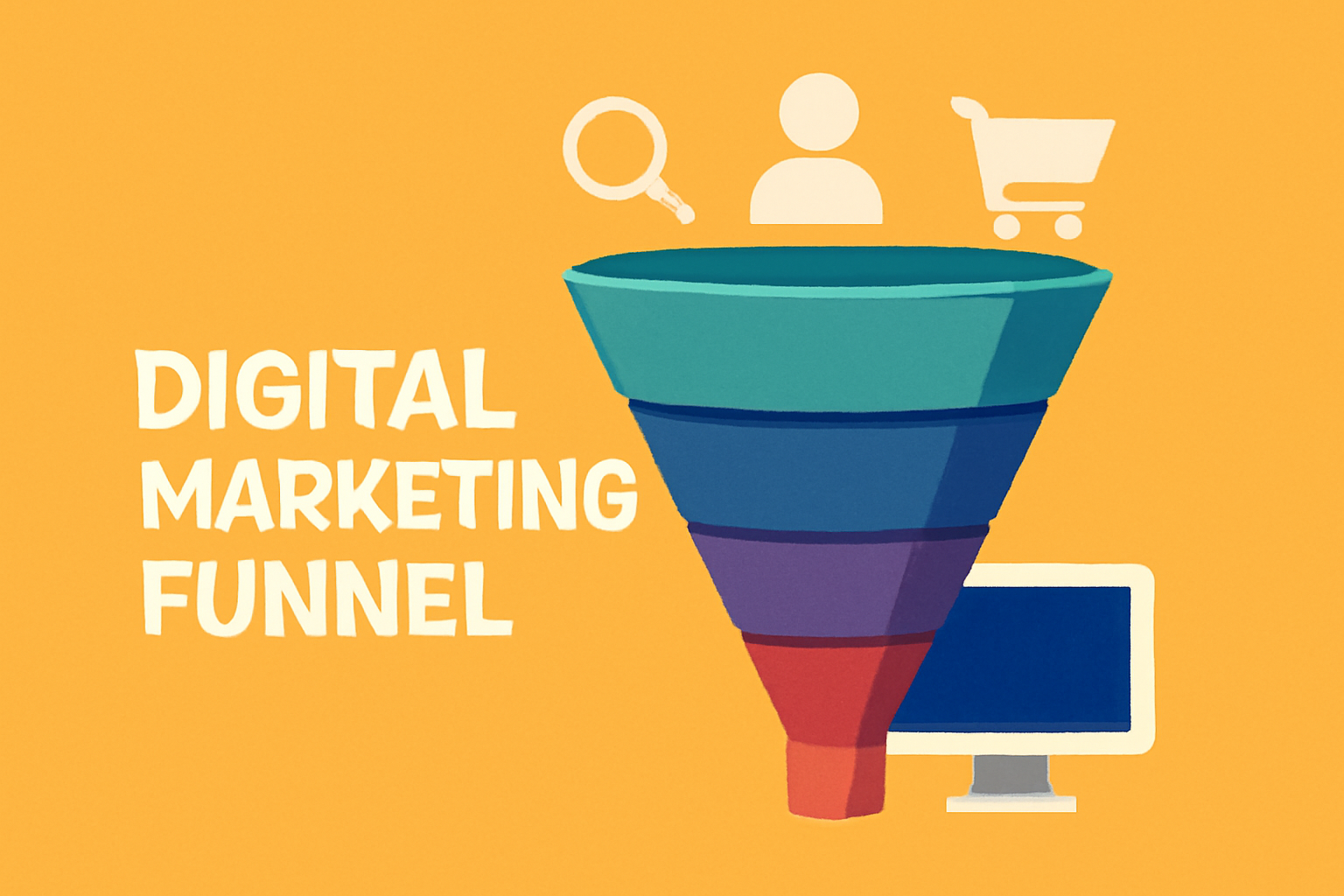
At GOSG, both channels are structured to support the same revenue funnel.
SEO Captures Long-Term, High-Intent Demand
SEO is not just about volume. GOSG focuses on keywords that signal buying intent and commercial readiness.
This includes:
- Transactional and service-based searches
- Comparison and solution-aware queries
- Content mapped to each stage of the buyer journey
- Technical SEO foundations that scale with growth
The result is organic traffic that converts, not just traffic that reads.
Paid Ads Accelerate Demand Capture
Paid ads are used to capture demand immediately while SEO compounds over time. Campaigns are structured around:
- Clear acquisition goals and allowable CPA
- Keyword and audience insights pulled from SEO data
- Dedicated landing pages optimised for conversion
- Continuous testing of creatives, offers, and funnels
Paid ads fill gaps, validate keywords, and generate fast revenue while SEO builds momentum.
How SEO and Paid Ads Work Better Together
When SEO and paid ads are managed as one system, performance improves across both channels.
SEO insights improve paid ads by:
- Identifying high-converting keywords to prioritise in Google Ads
- Revealing messaging that resonates through organic CTR data
- Reducing paid dependency over time on expensive keywords
Paid ads improve SEO by:
- Testing keyword intent before long-term SEO investment
- Generating immediate data on conversion behaviour
- Supporting new content and landing pages during ramp-up
This feedback loop is where revenue growth accelerates.
If your SEO and Google Ads feel disconnected, GOSG can help you align both channels into one revenue-focused strategy.
Strategy First, Execution Always
Many agencies stop at strategy decks. GOSG prioritises execution and iteration.
Every SEO and paid ads strategy includes:
- Clear KPIs tied to revenue and conversions
- Ongoing optimisation based on live performance data
- Shared dashboards that show how channels influence each other
- Continuous testing instead of one-time setup
Execution is what turns strategy into results.
Avoiding the Vanity Metrics Trap
Traffic, impressions, and CTR matter, but only in context. GOSG reports performance based on:
- Cost per acquisition
- Conversion rate by channel and landing page
- Revenue contribution from SEO and paid ads
- Return on marketing investment
This ensures optimisation decisions are driven by business outcomes, not surface-level metrics.
Built for Decision Makers, Not Just Marketers
A strong SEO and paid ads strategy should support better decisions at the leadership level.
GOSG structures campaigns so founders and operators can clearly see:
- What is driving growth
- What is wasting budget
- Where to scale and where to optimise
This clarity is essential for sustainable growth.
Scaling Revenue Without Increasing Complexity
As budgets grow, complexity often increases. A unified SEO and paid ads strategy simplifies scaling by:
- Aligning keywords, messaging, and funnels
- Reducing duplicated effort across teams
- Creating predictable acquisition systems
This makes growth easier to manage and easier to scale.
Conclusion: An SEO and Paid Ads Strategy Built for Revenue
An effective SEO and paid ads strategy does not treat channels as separate silos. When aligned under one revenue goal, SEO compounds long-term growth while paid ads drive immediate performance.
GOSG builds integrated SEO and paid ads strategies that focus on what matters most, turning intent into conversions and conversions into revenue.
Ready to turn SEO and paid ads into one revenue engine. Contact GOSG today and start building a strategy that actually increases revenue.