Author: contact@gosgconsulting.com

  • Local Lead Generation Singapore: How to Turn Website Visits into Sales

    Local Lead Generation Singapore: How to Turn Website Visits into Sales

    In today’s digital world, simply attracting visitors to your website isn’t enough. For businesses in Singapore, turning those website visits into qualified leads and ultimately paying customers is key to sustained growth. In this step-by-step guide, we’ll walk you through local lead generation Singapore tactics designed to help you nurture visitors into loyal customers. From creating optimized lead funnels to leveraging inbound marketing strategies, you’ll learn how to successfully convert local traffic into tangible sales.

    1. Understanding Local Lead Generation for Singapore SMEs

    Before diving into specific tactics, it’s important to understand the concept of local lead generation Singapore. Unlike global lead generation, local lead generation focuses on targeting potential customers within a specific geographic location, ideal for SMEs looking to connect with nearby prospects.

    With the right tools and strategies, you can turn local website visits into highly targeted leads, helping you drive sales and grow your business. For a deeper dive into the importance of local SEO for lead generation, take a look at this guide on building lead generation funnels.

    2. Optimizing Your Website for Local Lead Generation

    The first step in local lead generation Singapore is ensuring your website is optimized to capture leads effectively. This includes having clear CTAs (Call-To-Actions), user-friendly design, and optimized landing pages for lead capture.

    How to Optimize:

    • Localize your content: Use local keywords that resonate with Singaporean users, such as “local lead generation Singapore” or “lead funnels Singapore”.
    • Simplify your forms: Ask only for essential information, such as name and email, to avoid overwhelming visitors.
    • Add clear CTAs: Encourage visitors to take action, such as downloading a guide or requesting a consultation.

    To learn more about how a well-designed website can drive lead generation, check out this article on website design strategies in Singapore.

    3. Building Lead Funnels for Local Leads

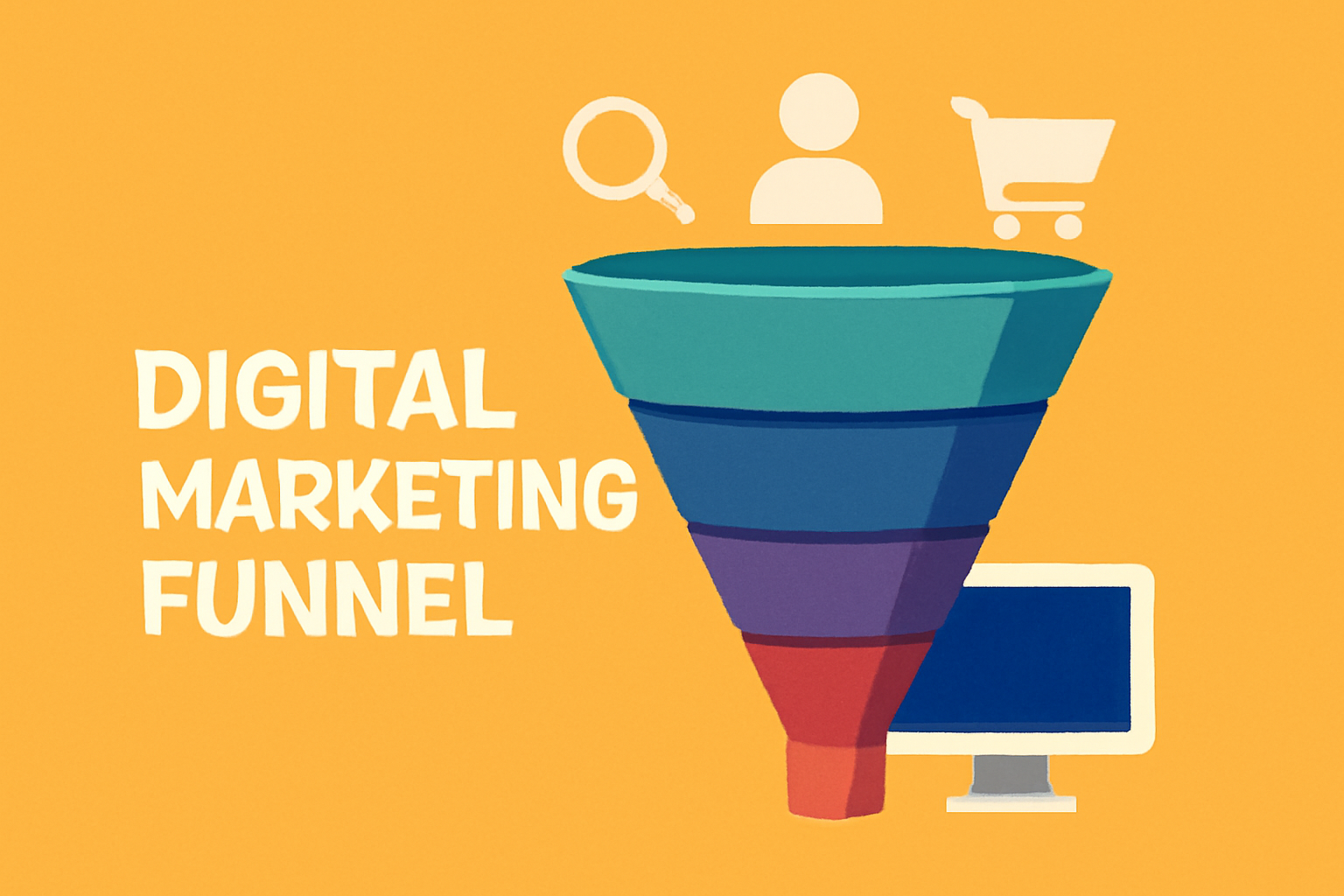
    Lead funnels are essential for guiding potential customers through the buyer’s journey. For local lead generation Singapore, the key is to make the process as seamless as possible, from awareness to conversion.

    How to Build a Local Lead Funnel:

    • Top of Funnel (TOFU): Use content marketing like blog posts and guides to attract visitors. For example, create content that addresses common challenges for Singapore businesses.
    • Middle of Funnel (MOFU): Offer free resources or consultations to engage prospects. This could include webinars or eBooks related to your business.
    • Bottom of Funnel (BOFU): Have a strong, compelling offer ready, such as a discount or special promotion, to convert prospects into paying customers.

    For more information on how to optimize lead funnels for conversion, explore this article on lead generation mastery.

    4. Leveraging Local Inbound Marketing for Lead Generation

    Inbound marketing is a powerful strategy to attract, engage, and convert leads, especially for local lead generation Singapore. By creating content that resonates with local audiences, you can build trust and encourage more website visits.

    How to Leverage Inbound Marketing:

    • Create Localized Content: Write blog posts or create resources that specifically target issues faced by your local audience in Singapore.
    • Use Local SEO: Optimize your website with local keywords and ensure your business appears on Google My Business.
    • Social Media Engagement: Share local content, engage with your community, and encourage referrals to increase local leads.

    For more tips on local SEO, read this SEO content writing guide.

    5. Tracking and Analyzing Lead Generation Efforts

    To ensure your local lead generation Singapore strategies are working, you must track and analyze key metrics. This will help you refine your tactics and optimize for better results.

    How to Track Local Leads:

    • Use Google Analytics: Monitor traffic, bounce rates, and goal conversions to see which sources are bringing in the most valuable leads.
    • Set up lead tracking tools: Use CRM tools like HubSpot or Zoho to track leads from website visits to conversions.
    • Review performance regularly: Use data to adjust your approach and improve conversion rates over time.

    For further insights on analyzing digital campaign success, explore this guide on maximizing SEO for local businesses.

    Conclusion

    Local lead generation Singapore is a crucial component of any digital marketing strategy. By optimizing your website, building effective lead funnels, leveraging inbound marketing, and tracking your efforts, you can turn website visitors into qualified leads and paying customers. These strategies, combined with local SEO and content optimization, will help you grow your business and stay competitive in Singapore’s dynamic market.

    Ready to start generating local leads for your business? Contact us today to learn more about our lead generation strategies.

    FAQ

    Q1: How can I generate local leads in Singapore?
    A1: Start by optimizing your website with local keywords, building effective lead funnels, and leveraging inbound marketing strategies to engage your target audience.

    Q2: What are lead funnels, and how do they help with lead generation?
    A2: Lead funnels guide prospects through a series of steps, from awareness to conversion. A well-optimized funnel nurtures leads, helping turn visitors into paying customers.

    Q3: How do I track the success of my local lead generation campaigns?
    A3: Use tools like Google Analytics, CRM software, and lead tracking platforms to monitor the effectiveness of your campaigns and refine your strategies over time.

    Q4: Why is inbound marketing important for local lead generation?
    A4: Inbound marketing helps attract and engage your audience by providing valuable, relevant content. This strategy builds trust and encourages conversions from local visitors.

    Q5: How often should I review my lead generation strategy?
    A5: Regularly review your lead generation strategy, ideally every 3–6 months, to ensure you’re meeting your goals and optimizing based on performance data.

  • SEO Audit Singapore: Step-by-Step Website Health Check for SMEs

    SEO Audit Singapore: Step-by-Step Website Health Check for SMEs

    An SEO audit is essential for ensuring that your website is fully optimized to rank well in search engines and drive organic traffic. In Singapore, where the competition for online visibility is fierce, regular SEO audits can help small and medium enterprises (SMEs) address hidden issues and unlock higher rankings. This step-by-step guide will show you how to run an SEO audit Singapore to improve your website’s performance and increase its chances of ranking higher on Google.

    What Is an SEO Audit, and Why Is It Important for SMEs?

    An SEO audit Singapore is a comprehensive process that evaluates the health of your website’s SEO efforts. This audit helps identify issues related to technical SEO, content quality, backlink profile, and user experience. For SMEs in Singapore, where digital presence is crucial, an SEO audit provides valuable insights into how your website can be optimized for search engines, leading to better performance, higher organic traffic, and more conversions.

    For a deeper understanding of SEO strategies, explore this guide on maximizing digital campaigns for SMEs.

    Step 1: Check Website Crawlability and Indexing

    The first step in your SEO audit Singapore is to ensure that search engines can crawl and index your website effectively. This means checking that search engine bots can easily navigate through your site and discover all your important pages.

    How to Check:

    • Use Google Search Console to check if your site has any crawl errors.
    • Ensure your robots.txt file is not blocking important pages.
    • Use the “Fetch as Google” tool to see how Googlebot sees your pages.

    For a more detailed look into technical SEO, check out this article on SEO company strategies in Singapore.

    Step 2: Analyze Website Performance and Speed

    Website speed is a critical factor in both user experience and SEO. Slow loading times can negatively impact your rankings and increase bounce rates. Running an SEO audit Singapore should include checking your site’s speed to ensure it loads quickly across devices.

    How to Check:

    • Use tools like Google PageSpeed Insights or GTmetrix to test your website speed.
    • Aim for a loading time of under 3 seconds.
    • Optimize images, leverage browser caching, and minimize CSS/JS files to improve site speed.

    For tips on how to improve website performance, explore this article on data-driven success with SEO.

    Step 3: Conduct a Content Analysis

    The next step in your SEO audit Singapore is analyzing your website’s content. Content plays a significant role in determining how well your pages rank for relevant search terms. This step ensures that your content is high-quality, keyword-optimized, and valuable to your audience.

    How to Check:

    • Evaluate your keyword usage to ensure that target keywords are naturally incorporated.
    • Make sure your content provides value and answers user intent.
    • Identify and fix any content gaps or underperforming pages.

    For help in optimizing your content for SEO, check out this SEO content writing guide.

    Step 4: Evaluate Your Backlink Profile

    Backlinks are one of the most influential ranking factors for Google. In your SEO audit Singapore, evaluating your site’s backlinks is essential to understanding how authoritative your website is in the eyes of search engines.

    How to Check:

    • Use tools like Ahrefs or Moz to review your backlink profile.
    • Ensure that you have high-quality backlinks from authoritative websites.
    • Disavow any spammy or low-quality links that could hurt your rankings.

    For additional tips on improving your backlink strategy, read this guide on SEO for Singapore businesses.

    Step 5: Review Mobile Optimization

    With mobile traffic accounting for a significant portion of web traffic, ensuring that your website is mobile-friendly is crucial. An SEO audit Singapore should include a review of your site’s mobile performance and usability.

    How to Check:

    • Use Google’s Mobile-Friendly Test to see how your site performs on mobile devices.
    • Ensure that your website is responsive, meaning it adjusts well to various screen sizes.
    • Optimize mobile page loading times and improve mobile user experience.

    Step 6: Analyze User Experience and Engagement

    User experience (UX) is an important ranking factor that Google uses to determine website quality. A good SEO audit Singapore will evaluate user engagement metrics such as bounce rates, time on page, and conversion rates.

    How to Check:

    • Review Google Analytics to identify pages with high bounce rates.
    • Ensure that your website is easy to navigate, visually appealing, and accessible to all users.
    • Test your website on different devices and browsers to ensure consistency.

    For tips on improving UX and conversion rates, check out this article on SEO and website design for lead generation.

    Conclusion

    Running a thorough SEO audit Singapore is an essential step for any SME looking to improve its online visibility and rankings. By following the steps outlined above, you can identify and fix issues that are hindering your website’s performance, and ultimately unlock higher rankings and organic traffic. Regular SEO audits will help ensure that your site is fully optimized and that you’re staying ahead of the competition.

    If you’re ready to take your website to the next level with a comprehensive SEO audit Singapore, contact us today.

    FAQ

    Q1: How often should I conduct an SEO audit for my website?
    A1: Ideally, an SEO audit should be conducted at least once every 6 months to ensure your website is up to date with the latest SEO best practices and algorithm changes.

    Q2: What tools can I use for an SEO audit?
    A2: Some popular tools for conducting an SEO audit include Google Search Console, Ahrefs, SEMrush, Moz, and Google PageSpeed Insights.

    Q3: How can an SEO audit help my website’s rankings?
    A3: An SEO audit helps identify issues that may be negatively impacting your site’s rankings. By fixing these issues, you can improve your site’s performance and visibility on search engines.

    Q4: Is technical SEO important for an SEO audit?
    A4: Yes, technical SEO is crucial in an SEO audit. It ensures that your website is accessible to search engines, loads quickly, and is optimized for mobile devices.

    Q5: Can I perform an SEO audit on my own?
    A5: While you can perform basic SEO audits using tools, hiring a professional SEO expert can help uncover more complex issues and provide advanced recommendations.

  • Google Ads Targeting Singapore: Complete Guide for High-Quality Leads

    Google Ads Targeting Singapore: Complete Guide for High-Quality Leads

    Google Ads is one of the most powerful tools for businesses looking to drive high-quality leads and boost conversions. In Singapore, effective Google Ads targeting Singapore strategies are crucial to maximizing ROI. Whether you’re running search ads, display ads, or YouTube ads, knowing how to target the right audience can make all the difference. In this step-by-step guide, we’ll walk you through the best practices and strategies to optimize your Google Ads campaigns for high-quality leads in Singapore.

    1. Understanding Google Ads Targeting in Singapore

    Before diving into the specifics of targeting, it’s important to understand how Google Ads works in Singapore. Google Ads allows you to target your audience based on a variety of factors including demographics, location, interests, and even the devices they use. In Singapore, where consumers are tech-savvy, these features offer a great way to tailor your advertising to your ideal customer.

    To get started, it’s crucial to define your goals and understand your target audience. For instance, are you aiming for brand awareness, lead generation, or sales conversions? By identifying your goals, you’ll be able to create a more targeted and effective Google Ads targeting Singapore strategy.

    For tips on maximizing conversions with digital marketing, consider reading this article on digital campaign strategies.

    2. Google Ads Audience Targeting: The Basics

    Google Ads allows you to refine your audience based on several parameters. The key targeting methods include:

    a. Demographic Targeting

    Demographic targeting helps you focus on specific characteristics of your audience, such as age, gender, parental status, and household income. In Singapore, demographic targeting is essential to tailor your messaging to your specific audience.

    b. Location Targeting

    Location targeting enables you to display your ads to users based on specific geographical locations. For example, you can target Singaporean cities or specific districts to increase the relevance of your ads to local users.

    For more insights on creating targeted campaigns, check out this guide on SEO company strategies in Singapore.

    c. Interest and Behavioral Targeting

    Google Ads also allows you to target users based on their interests or behaviors. In Singapore, this can include targeting users who have shown interest in certain products, services, or industries.

    d. Device Targeting

    With mobile usage on the rise, targeting users based on the devices they use is critical. You can optimize your campaigns to target mobile users or desktop users, depending on where your customers are more likely to convert.

    3. Optimizing Google Ads Campaigns for High-Quality Leads

    To generate high-quality leads, it’s essential to optimize your Google Ads campaigns with the right strategies. Here are some best practices for optimizing your ads:

    a. Keyword Selection

    Selecting the right keywords is crucial for reaching high-quality leads. Use a combination of short-tail and long-tail keywords that are relevant to your business. Be sure to include Google Ads targeting Singapore in your keyword strategy to ensure local targeting.

    b. Ad Copy Optimization

    The ad copy should speak directly to your target audience’s pain points and needs. Highlight the unique benefits of your product or service and include strong calls-to-action (CTAs) that encourage users to take action. For example, you could use CTAs like “Get your free consultation now!” or “Start your free trial today.”

    c. A/B Testing

    Running A/B tests on your ad copy, landing pages, and audience targeting can help you identify which variations of your ads perform best. Use these insights to continuously improve your Google Ads targeting Singapore campaigns.

    For additional insights on how to drive more leads through Google Ads targeting Singapore, explore this article on lead generation mastery.

    d. Tracking and Analytics

    Utilizing Google Analytics and Google Ads reporting tools allows you to track the performance of your campaigns. Keep an eye on metrics like cost per conversion, click-through rate (CTR), and quality score to refine your campaigns over time.

    4. Refining Google Ads for Better ROI

    In Singapore, the competition for high-quality leads can be fierce, so refining your Google Ads targeting Singapore strategies is key to maximizing ROI. Focus on improving your ads’ quality score, which is based on the relevance of your keywords, the quality of your landing pages, and the CTR of your ads.

    For businesses looking to scale effectively through Google Ads, it’s important to continually optimize your bidding strategy and budget. Adjust your bids based on performance data to ensure you’re getting the best return on investment.

    Conclusion

    Optimizing Google Ads targeting Singapore is a crucial step toward achieving high-quality leads and boosting conversions. By carefully selecting your audience, refining your ad copy, and optimizing your campaigns, you can maximize the effectiveness of your Google Ads efforts. Whether you’re targeting local customers or expanding your reach, these strategies will help you succeed in the competitive Singapore market.

    If you’re ready to start targeting high-quality leads with Google Ads, contact us today.

    FAQ

    Q1: How do I target the right audience on Google Ads in Singapore?
    A1: Use demographic targeting, location targeting, and interest-based targeting to focus on the right audience. For local targeting, prioritize Singaporean cities and districts.

    Q2: How do I optimize my Google Ads campaigns for better performance?
    A2: Focus on keyword selection, optimizing ad copy, A/B testing, and leveraging Google Ads reporting tools to track performance and adjust your strategies accordingly.

    Q3: Can I use Google Ads to target mobile users in Singapore?
    A3: Yes, Google Ads allows you to target users based on the devices they use, so you can focus on mobile users or desktop users depending on your goals.

    Q4: What is A/B testing in Google Ads, and how does it help?
    A4: A/B testing allows you to test different variations of your ads, landing pages, and targeting to identify which ones perform the best, helping you refine your campaigns.

    Q5: How can I track the success of my Google Ads campaigns?
    A5: Use Google Analytics and Google Ads reporting tools to track key metrics like CTR, cost per conversion, and quality score to refine your campaigns over time.

  • Business Growth Singapore: Case Study for Singapore Businesses

    Business Growth Singapore: Case Study for Singapore Businesses

    In today’s competitive landscape, achieving business growth is a top priority for companies across Singapore. However, for businesses, especially SMEs, a well-defined digital strategy can make all the difference. This case study will explore how one company in Singapore successfully implemented a digital strategy that led to significant business growth. From refining their website content to optimizing their marketing campaigns, we’ll take you through the steps that helped them accelerate their business growth.

    The Challenge: Scaling Business Growth in a Competitive Market

    The company in this case study, a mid-sized SME in Singapore, faced significant challenges when it came to standing out in a crowded market. Despite having a quality product and loyal customers, however, they struggled with generating consistent leads and increasing their overall revenue.

    The key challenge was the lack of a cohesive digital strategy Singapore that aligned with their business goals. Additionally, the company’s online presence was underdeveloped, and they had limited insights into how their digital efforts could be better optimized for growth. As a result, this resulted in a slower-than-expected pace of business growth, ultimately making it harder to scale operations and compete effectively.

    The Solution: Implementing a Digital Strategy for Business Growth

    Understanding that digital transformation was key to business growth, the company partnered with a digital marketing expert to revamp its digital strategy Singapore. Here’s a breakdown of the key changes made:

    1. Optimizing Website Content

    The first step was optimizing the website to align with both SEO best practices and the user journey. By enhancing the website content and focusing on business growth Singapore as a core keyword, they were able to improve search engine rankings, increasing organic traffic. They also integrated internal links to product pages and added clear call-to-actions (CTAs) to drive conversions.

    For a better understanding of website strategies that drive growth, take a look at this SEO company Singapore guide.

    2. Leveraging Social Media Marketing

    The next part of the strategy involved improving their social media presence. By creating engaging content and using targeted ads, they were able to reach a wider audience. Social media platforms became key in driving awareness and engagement, which directly contributed to increased leads and sales.

    To dive deeper into digital campaigns, explore this article on digital marketing insights.

    3. Data-Driven Decision Making

    A major component of the digital strategy was adopting data-driven decision-making. They implemented tools to track user behavior and sales data, allowing them to fine-tune their efforts in real-time. By analyzing key metrics such as conversion rates, bounce rates, and customer acquisition costs, they were able to identify high-performing areas and optimize others.

    For businesses looking to understand the impact of data on digital growth, check out this data-driven success article.

    The Results: Achieving Significant Business Growth

    After implementing the new digital strategy Singapore, the company saw remarkable results in a short period. Here are some of the key outcomes:

    • Increase in Organic Traffic: With optimized content and a stronger focus on SEO, the company saw a 40% increase in organic search traffic.
    • Higher Conversion Rates: By refining their CTAs and improving website content, conversion rates increased by 25%.
    • Greater Brand Awareness: Through social media marketing, they were able to increase brand awareness, which led to a 30% increase in leads generated.

    The combination of these strategies led to a more streamlined approach to business growth Singapore, allowing the company to scale operations efficiently.

    Conclusion

    This case study demonstrates that achieving business growth Singapore is possible through a well-executed digital strategy. By focusing on key areas like website optimization, social media marketing, and data-driven decision-making, businesses can unlock their growth potential and remain competitive in Singapore’s dynamic market. If you’re looking to implement similar strategies for your business, it’s time to take the first step towards optimizing your digital presence.

    For expert guidance on how to implement a successful digital strategy Singapore, feel free to contact us.

    FAQ

    Q1: How can a digital strategy help with business growth in Singapore?
    A1: A digital strategy helps businesses in Singapore by improving online visibility, generating more leads, and driving higher conversion rates. By focusing on SEO, social media, and data analytics, businesses can optimize their efforts for growth.

    Q2: What are the key elements of a successful digital strategy?
    A2: Key elements include website optimization, targeted digital marketing campaigns, SEO, and data analytics to track performance and refine strategies in real-time.

    Q3: How do I measure business growth through digital strategies?
    A3: You can measure business growth through metrics such as organic traffic, conversion rates, lead generation, and sales performance. Tracking these helps you adjust your strategy to optimize results.

    Q4: What is the role of social media in business growth in Singapore?
    A4: Social media plays a critical role in increasing brand awareness, engaging with potential customers, and driving leads, especially when combined with targeted marketing campaigns.

    Q5: How often should a digital strategy be updated?
    A5: A digital strategy should be reviewed and updated regularly, at least every quarter, to ensure it aligns with evolving market trends and performance metrics.

  • Website Content Singapore: Best Practices for Singapore Businesses

    Website Content Singapore: Best Practices for Singapore Businesses

    In today’s competitive digital landscape, having compelling and optimized website content is critical to the success of any business. Especially for businesses in Singapore, content is more than just words, it’s a key part of your digital marketing strategy, driving both customer engagement and conversions. In this article, we will explore best practices for creating website content that not only attracts visitors but also converts them into loyal customers.

    The Importance of Website Content for Businesses in Singapore

    As a business owner in Singapore, it’s crucial to understand how website content plays a pivotal role in digital marketing. The quality of your content directly impacts SEO rankings, user experience, and ultimately, your revenue. Whether you’re a startup or a well-established company, your website’s content serves as your virtual storefront, engaging users, building credibility, and encouraging action.

    Best Practices for Website Content in Singapore

    Creating effective website content requires a strategic approach that balances creativity with SEO. Here are some best practices to ensure your website content stands out in Singapore’s competitive market:

    1. Focus on SEO-Optimized Copywriting

    Effective copywriting is key to driving organic traffic. For businesses in Singapore, SEO-optimized content is not just an option, it’s a necessity. Ensure that your target keywords, such as website content Singapore, copywriting Singapore, and SEO content, are incorporated naturally throughout the content. This will improve your website’s search engine rankings and make it easier for potential customers to find your business online.

    For example, integrating keywords strategically in headings and subheadings (H1, H2, etc.) improves readability and optimizes the page for search engines. Also, remember to include internal links to other relevant pages, such as this guide on SEO agency strategies in Singapore, for better site navigation and SEO benefits.

    2. Prioritize User Experience (UX)

    Your website content should always consider the user experience. In Singapore, where consumers are tech-savvy, offering a seamless experience across all devices is essential. Ensure your content is easy to read, well-structured, and visually appealing. Break down large blocks of text with bullet points, short paragraphs, and headings that guide readers to important information.

    For more tips on website design and UX, check out this article on best practices for web design Singapore. This will help you design content that’s not only informative but also engaging.

    3. Provide Value with Relevant Content

    In Singapore, businesses that provide value to their customers through informative, relevant content are more likely to build trust and establish authority in their niche. Think about what your audience wants to know and provide solutions to their problems. For instance, if you’re in the F&B industry, sharing tips on how to create allergy-friendly menus or offering insights into food trends can add value to your audience.

    This article on revenue growth solutions through SEO can show you how integrating SEO content writing can help boost business growth and increase lead generation.

    4. Use Compelling CTAs (Call-to-Actions)

    A strong call-to-action (CTA) is essential to guide your visitors toward taking the next step. Whether it’s filling out a contact form, signing up for a newsletter, or requesting a consultation, your CTA should be clear and strategically placed throughout the page.

    For businesses looking to improve their lead generation, we recommend using CTAs that prompt visitors to take immediate action. Consider embedding a CTA like this: Get in touch with us today.

    5. Incorporate Testimonials and Social Proof

    Building trust is crucial for businesses in Singapore. One effective way to enhance your website content is by adding testimonials and case studies that demonstrate your success and customer satisfaction. This could include customer reviews, success stories, or awards that showcase your business’s credibility.

    For further inspiration, you can explore how content marketing strategies and SEO can help businesses succeed, as detailed in this digital campaign strategy article.

    Conclusion

    The content you provide on your website plays a significant role in driving digital success for your business. By following these best practices for website content Singapore, you can enhance your SEO efforts, improve user engagement, and ultimately boost your business’s digital growth. Whether you’re a small startup or an established company, effective website content is an essential element of your overall marketing strategy.

    If you’re looking to optimize your website content and improve your digital presence, reach out to us for expert guidance and strategies tailored to your business needs.

    FAQ

    Q1: How can I improve my website content’s SEO ranking in Singapore?
    A1: Incorporate relevant keywords naturally, ensure your content is optimized for both search engines and users, and provide valuable, engaging content. You can also enhance rankings by linking to other relevant pages, such as this SEO guide.

    Q2: What is the best structure for website content in Singapore?
    A2: Use clear headings, short paragraphs, bullet points, and optimize your content for mobile users. Prioritize UX design by ensuring fast loading times and responsive design.

    Q3: Can professional copywriting help my Singapore business’s website?
    A3: Yes, professional copywriting can significantly improve the quality and effectiveness of your website content. By targeting the right keywords and crafting engaging copy, it can help you rank higher in search engines and convert visitors into customers.

    Q4: How often should I update my website content?
    A4: Regularly updating your content is crucial to maintaining its relevance and boosting SEO performance. Aim to update your content at least every 6–12 months, or more frequently if your industry experiences rapid changes.

    Q5: How can I track the success of my website content?
    A5: You can track the success of your content through analytics tools like Google Analytics. Monitor metrics such as page views, bounce rates, and conversion rates to determine how well your content is performing.

  • How One Singapore Retailer Doubled Sales with Google Remarketing

    How One Singapore Retailer Doubled Sales with Google Remarketing

    Introduction: The Challenge Every Singapore Retailer Faces

    Competition in Singapore’s retail market is intense. Rising ad costs, short attention spans, and unpredictable customer journeys often lead to high traffic but low sales. One local retailer experienced this exact problem, thousands of visitors, but almost no conversions.

    Their breakthrough came from a refined remarketing Google Ads Singapore strategy that rebuilt lost traffic, reactivated warm audiences, and ultimately doubled revenue in eight weeks.

    Here’s the full breakdown of what happened.

    1. The Client: A Mid-Sized Singapore Retail Brand Needing Better ROI

    The retailer ran a popular lifestyle e-commerce store with strong traffic but weak conversion rates. Their challenges included:

    • Low returning visitor engagement
    • High abandoned cart volume
    • Poor ad relevance
    • Slow customer journey from browsing to buying

    Their Google Ads campaigns were focused only on cold traffic, meaning they were constantly paying high CPCs to bring in new users while ignoring those who had already shown interest.

    2. The Problem: Traffic Without Conversions

    Even though the retailer attracted consistent traffic from Search and Display campaigns, most visitors left the site without buying. The brand had no remarketing lists, no segmentation, and no dynamic product feeds.

    They needed a smarter way to turn warm visitors into customers.

    Their performance gaps aligned with the patterns commonly solved through funnel-based content, such as the principles described in How Singapore SMEs Can Scale Cost-Effectively Through Integrated Digital Campaigns.

    3. The Solution: A Multi-Layered Google Remarketing Strategy

    The retailer partnered with a performance team to create a full remarketing Google Ads Singapore system. The strategy had three layers:

    Layer 1 — Behaviour-Based Remarketing Lists

    Audiences were segmented by intent:

    • Viewed product pages
    • Added to cart
    • Engaged with multiple pages
    • Reached checkout but didn’t buy
    • Past buyers (upsell group)

    This allowed personalised ads that matched the user’s journey.

    Layer 2 — Dynamic Remarketing With Product Feeds

    Dynamic product ads displayed the exact items users had viewed or added to cart.
    This immediately lifted relevance and dramatically reduced CPC wastage.

    This shift mirrors modern dynamic content strategies used in high-performing websites, such as the structured funnel layouts shown in Website Design Singapore: Building Lead Generation Funnels Through Content Marketing.

    Layer 3 — Cross-Channel Remarketing + Automated Bidding

    To maximise scale and efficiency, the team used:

    • Display remarketing
    • YouTube remarketing
    • Performance Max retargeting
    • Automated bidding (tROAS)

    Attribution improvements were monitored through consolidated dashboards, similar to frameworks described in Data-Driven Success: How Website Performance Analytics Transform Lead Generation.

    4. The Results: 2X Sales in Eight Weeks

    Once the remarketing framework was activated, results came fast:

    ✔ 48% higher conversion rate

    Users who had previously shown intent came back and completed purchases.

    ✔ 32% lower cost per acquisition (CPA)

    Remarketing audiences were cheaper to convert than cold traffic.

    ✔ 2X total sales in 8 weeks

    Revenue doubled for the first time in the retailer’s history.

    ✔ Improved lifetime customer value

    Past buyers were successfully upsold through segmented remarketing lists.

    ✔ Sustainable scaling

    The retailer built a repeatable performance system, not a one-off spike.

    5. Key Lessons for Singapore Retailers

    1. Warm audiences buy faster than cold audiences
    Remarketing dramatically improves ROAS.

    2. Segmentation matters more than ad volume
    Right message, right audience, right moment.

    3. Dynamic remarketing is essential for e-commerce
    Customers respond to personalised product ads.

    4. Attribution and analytics must be clean
    Tracking quality determines optimisation quality.

    5. Remarketing is the fastest path to high-impact growth
    Especially for SMEs with consistent but underutilised traffic.

    For retailers needing a similar setup, the GOSG homepage provides a clear overview of how integrated campaign systems are implemented.

    Conclusion

    This success story proves that remarketing Google Ads Singapore strategies are one of the highest-ROI tactics for retail brands. By focusing on segmentation, dynamic ads, and automation, Singapore SMEs can unlock rapid sales growth without increasing ad spend.

    If you want to build a remarketing system that converts your existing traffic into real revenue,
    👉 Contact GOSG Consulting
    and turn your website visitors into paying customers.

  • Why Your Keyword Research Isn’t Working (And How to Fix It)

    Why Your Keyword Research Isn’t Working (And How to Fix It)

    Introduction: The Real Reason Your Keywords Aren’t Ranking

    Many SMEs struggle with keyword research Singapore strategies because they choose keywords based on guesswork, surface-level tools, or competitor copying. The result? Content that doesn’t rank, pages that don’t convert, and campaigns that don’t reflect real search intent.

    These expert insights reveal the biggest keyword research mistakes, and how Singapore businesses can fix them to build sustainable, high-ranking SEO content.

    7 Reasons Your Keyword Research Isn’t Working (And How to Fix Each One)

    1. You’re Targeting Keywords That Are Too Broad

    Many SMEs pick keywords like “SEO services” or “web design” without realising they’re competing with massive agencies and directories.
    Ranking for broad, high-volume keywords won’t happen without authority, backlinks, and extensive content depth.

    Modern keyword success often starts with long-tail, intent-based keywords, an approach reinforced by the structured content methodology demonstrated in Google Ads Management Singapore: Insights for Singapore Businesses.

    Fix: Target more specific phrases such as “SEO consultant for SMEs Singapore” or “B2B website redesign Singapore.”

    2. You Prioritise Search Volume Instead of Search Intent

    High volume doesn’t equal high conversions. Many keywords with thousands of searches have poor buyer intent, leading to traffic with little to no business impact.

    Intent-focused keyword selection aligns better with lead generation, similar to how strategic content funnels are built in Brand Marketing Singapore Success: Website Development & Lead Generation Best Practices.

    Fix: Choose keywords based on why users search, not how many search.

    3. You’re Ignoring How Local Search Behaviour Works in Singapore

    Search behaviour in Singapore is unique, shorter queries, mixed languages, and strong reliance on mobile. Many businesses miss local variations like:

    • “best [service] sg”
    • “near me” searches
    • brand + location combinations

    Fix: Optimise for Singapore-specific phrasing and incorporate geo-intent where relevant.

    4. You Have No Content Cluster Supporting Your Keyword Strategy

    Single pages rarely rank on their own today. Google rewards topical authority.
    Without supporting content, pillar guides, internal links, and subtopics, rankings stagnate.

    Cluster strategies work best when supported by high-quality content frameworks similar to those used in Digital Campaigns That Convert: SEO Content Writing Strategies for Revenue Growth.

    Fix: Build clusters:

    • 1 pillar page
    • 6–12 supporting pages
    • internal linking that reinforces context

    5. You’re Not Updating Outdated Keywords

    Search patterns evolve quickly, especially in competitive industries like real estate, finance, fitness, and beauty. Keywords from 2020 or 2022 may no longer reflect user demand.

    Fix: Refresh keyword lists every quarter and identify emerging queries with rising intent.

    6. You Copy Competitor Keywords Without Understanding Their Authority

    A well-known competitor with thousands of backlinks can rank for keywords you cannot, yet.
    Blindly copying their keyword targets leads to wasted effort and mismatched difficulty levels.

    Fix: Choose keywords aligned with your domain strength, content library, and backlink profile.

    7. You Don’t Match Keywords to Funnel Stages

    Many businesses combine top-of-funnel keywords with bottom-of-funnel content, which confuses Google and weakens relevance.

    Fix: Align each keyword category with funnel stages:

    • TOF: “how to choose a website designer”
    • MOF: “best website design companies Singapore”
    • BOF: “website redesign cost Singapore”

    Consistency boosts both rankings and conversion paths.

    Conclusion

    Effective keyword research Singapore strategies require more than a list of popular phrases. To rank well and convert consistently, your content needs intent-based targeting, local search alignment, structured content clusters, and regular optimisation.

    When done correctly, keyword research becomes a long-term growth engine, not guesswork.

    If you want expert guidance building a keyword strategy that finally drives rankings and leads,
    👉 Contact GOSG Consulting.

  • The Complete Guide to Marketing Automation for Singapore SMEs

    The Complete Guide to Marketing Automation for Singapore SMEs

    Introduction: Why Marketing Automation Matters Now More Than Ever

    Marketing automation Singapore strategies are becoming essential as SMEs juggle multiple channels, rising ad costs, and increasing customer expectations. Manual workflows are no longer enough. To scale effectively, businesses need automated systems that nurture leads, personalise communication, and deliver real-time insights without adding manpower.

    This complete guide explains how marketing automation works, the tools you need, the workflows that matter, and how Singapore SMEs can use automation to drive predictable, scalable growth.

    1. What Is Marketing Automation?

    Marketing automation is the use of software to automate repetitive marketing tasks such as:

    • lead nurturing
    • email follow-ups
    • campaign segmentation
    • ad optimisation
    • customer lifecycle messaging
    • reporting and analytics

    Automation helps SMEs reduce manual work, increase personalisation, and improve conversion rates by sending the right message at the right time.

    A strong automation foundation is often supported by strategic frameworks like those demonstrated in Content Marketing Singapore 2025: Website Design for Lead Generation.

    2. Benefits of Marketing Automation for Singapore SMEs

    ✔ Higher Lead Conversion Rates

    Automated follow-ups increase the chance of converting cold leads into warm prospects.

    ✔ Better Personalisation at Scale

    Segmentation and behavioural triggers allow dynamic messaging without extra manpower.

    ✔ Time Savings for Lean Teams

    SMEs can automate 30–60% of manual marketing tasks, freeing up time for strategy.

    ✔ Improved Customer Experience

    Automation supports timely communication, faster responses, and consistent brand interactions.

    ✔ Stronger SEO & Content Performance

    When paired with content-led systems, automation enhances engagement and repeat traffic.
    This aligns with the principles behind Strategic SEO Content Writing: Amplifying Singapore Business Success.

    3. Key Components of a Marketing Automation System

    Email Automation

    Schedule welcome sequences, nurture flows, win-back campaigns, and promotional emails.

    Lead Scoring

    Automatically score leads based on behaviour (opens, clicks, website visits) to prioritise follow-up.

    Customer Journey Mapping

    Define every step between “first contact” and “paying customer”.

    CRM Integration

    Centralises customer data, enabling personalised automation based on behaviour.

    Reporting Dashboards

    Automated analytics help SMEs connect campaign performance to revenue.
    A consolidated measurement structure follows similar principles highlighted in SEO Agency Singapore: Strategies for Singapore Businesses.

    4. Popular Marketing Automation Tools for SMEs

    Email + CRM

    • HubSpot
    • Klaviyo
    • Mailchimp
    • ActiveCampaign

    Ad Automation Tools

    • Meta Ads automation rules
    • Google Ads automated bidding
    • Performance Max workflows

    Analytics + Reporting Tools

    • GA4
    • Looker Studio
    • Heatmaps (Hotjar, Clarity)

    E-Commerce Automation

    • Shopify Flow
    • WooCommerce integrations
    • Automated review systems

    5. Marketing Automation Workflows Every SME Should Use

    1. Welcome Sequence

    Triggered when someone joins your newsletter or downloads a guide.

    2. Lead Nurturing Funnel

    Drips content and value over days or weeks to warm up cold leads.

    3. Abandoned Cart Recovery

    Recovers lost revenue for e-commerce stores with automated reminders.

    4. Retargeting Automation

    Synchronises audiences between Meta Ads, Google Ads, and CRM.

    5. Customer Upsell/Win-Back Automation

    Targets inactive or past customers with relevant offers.

    6. Automated Reporting Dashboards

    Collects data from ads, SEO, and CRM into a centralised view.

    6. How to Build Your Marketing Automation Strategy

    Step 1: Audit Your Current Funnel

    Identify bottlenecks in traffic, conversion, and retention.

    Step 2: Define the Customer Journey

    Clarify what happens at each touchpoint and where automation can help.

    Step 3: Choose the Right Tools

    Ensure your automation stack integrates with your CMS and CRM.

    Step 4: Build Segments & Triggers

    Segment by intent, behaviour, demographics, and lifecycle stage.

    Step 5: Create Content for Each Stage

    Emails, product education, case studies, guides, and retargeting messages.

    Step 6: Set Up Analytics & Dashboards

    Connect GA4, Looker Studio, CRM, and ad platforms to measure performance.

    Step 7: Optimise Monthly

    Review open rates, ROAS, CTR, and lead quality to refine messaging and targeting.

    For brands needing help aligning automation with website performance and lead funnels, the GOSG homepage offers a clear overview of integrated solutions.

    7. Common Marketing Automation Mistakes to Avoid

    • Over-automating before fixing your funnel
    • Sending too many emails too quickly
    • Not mapping out customer segments
    • Ignoring reporting or tracking setup
    • Using automation without strong content
    • Treating all leads the same
    • Failing to optimise regularly

    Conclusion

    Marketing automation Singapore strategies help SMEs work smarter, scale faster, and build predictable revenue systems. When implemented correctly, automation enhances every part of your marketing stack, from SEO and content to paid ads and CRM.

    If your SME wants help building automated funnels,
    👉 Contact GOSG Consulting
    and start building a fully automated, high-performing marketing system.

  • Planning a Website Redesign? Your Singapore Business Checklist

    Planning a Website Redesign? Your Singapore Business Checklist

    Introduction: Why Strategy Matters More Than Design

    A website redesign Singapore project can strengthen your brand, improve SEO, and boost conversions, but only when guided by a strategic checklist. Many redesigns focus on aesthetics while ignoring performance, content structure, and user flow. This leads to attractive websites that still underperform.

    This checklist ensures your redesign is built for growth, not just appearance.

    Website Redesign Checklist for Singapore Businesses

    1. Start With a Performance Audit

    A redesign should begin with understanding what is slowing down or limiting your current website. Many issues become immediately visible once you evaluate speed, UX, funnel flow, and analytics.
    Performance-driven redesigns benefit from the structured approach described in Data-Driven Success: How Website Performance Analytics Transform Lead Generation in Singapore, where analytics shape decisions rather than guesswork.

    2. Set Clear Business Goals for the Redesign

    Every redesign needs purpose:

    • higher conversions
    • improved SEO
    • stronger brand positioning
    • better engagement
    • smoother UX

    Connecting redesign goals with content strategy aligns well with the approach shown in Lead Generation Mastery: How Content Marketing Singapore Amplifies Website Design ROI.

    3. Map Out a Strong Sitemap and User Flow

    User flow determines whether visitors understand your value quickly and can find the information they need.
    A conversion-focused sitemap follows the same structured funnel logic used in Website Design Singapore: Building Lead Generation Funnels Through Content Marketing, where pages guide users toward action naturally.

    4. Prioritise a Mobile-First Experience

    Singapore is a mobile-dominant market.
    Your redesign must prioritise:

    • responsive structure
    • clean mobile layouts
    • fast-loading visuals
    • clear CTAs
    • touch-friendly UI elements

    A mobile-first approach also supports Core Web Vitals and SEO performance.

    5. Refresh Content to Match Your New Structure

    A redesigned layout requires updated content, not recycled paragraphs from your old website.
    Rewrite service pages, simplify messaging, adjust SEO targets, and update internal links.
    Strong content ensures your new design supports conversions instead of just looking polished.

    6. Improve Page Speed & Core Web Vitals

    Speed remains one of Google’s strongest ranking factors and one of the biggest reasons users bounce.
    Your redesign should include:

    • WebP images
    • minified JS/CSS
    • a CDN
    • improved hosting
    • reduced plugin load
    • optimised scripts

    A fast website doubles the impact of your new visuals.

    7. Implement Tracking, GA4, Meta Pixel & Looker Studio

    A redesign can break tracking if not handled correctly.
    Before launch, ensure GA4, Meta Pixel, event tags, form tracking, and Looker Studio dashboards are fully operational.
    Accurate data ensures your marketing decisions remain reliable after launch.

    For brands needing centralised reporting, the GOSG homepage provides an overview of how analytics integrates across channels.

    8. Prepare a 301 Redirect Plan to Protect SEO

    This is one of the most critical elements of a redesign.
    Redirecting old URLs to new pages ensures:

    • rankings are preserved
    • backlinks remain valid
    • indexing remains healthy
    • Google does not treat your site as new

    A missing redirect plan can cause months of lost organic traffic.

    9. Conduct a Full QA Test Before Going Live

    Before launching your redesigned website, review:

    • mobile responsiveness
    • all forms and CTAs
    • speed scores
    • navigation and menus
    • cross-browser compatibility
    • image display
    • tracking and event firing
    • URL structure
    • content formatting

    A comprehensive QA ensures a smooth and error-free launch.

    Conclusion

    A website redesign Singapore project becomes a powerful business asset when supported by the right strategy. This checklist ensures your redesign aligns with SEO, brand messaging, analytics, and user experience, creating a website built for performance and long-term growth.

    For expert support planning a high-impact redesign,
    👉 Contact GOSG Consulting
    and build a website that delivers measurable results.

    FAQs

    1. How long does a website redesign typically take?
    Standard timelines range from 6–12 weeks depending on scope and content requirements.

    2. Will a redesign affect my SEO rankings?
    Yes, for better or worse. Proper redirects and SEO migration protect rankings during launch.

    3. How much does a redesign usually cost in Singapore?
    Between SGD 1,800 and SGD 10,000+ depending on customisation and the number of pages.

    4. How often should a website be redesigned?
    Most businesses refresh their website every 2–3 years to stay competitive.

  • 7 Meta Ad Creative Mistakes Singapore Brands Keep Making

    7 Meta Ad Creative Mistakes Singapore Brands Keep Making

    Introduction: Why Creative Is the Real Driver of Meta Ads Performance

    As Meta becomes increasingly automated in 2025, creative quality now drives more than 50 percent of campaign performance. Yet many Singapore brands still struggle with the fundamentals of Meta Ads creative Singapore, leading to high CPMs, weak ROAS and unstable results.

    These seven expert insights highlight the mistakes most advertisers make, and how to fix them for stronger performance.

    7 Creative Mistakes Singapore Brands Must Stop Making

    1. Reusing the Same Creative for Months

    Ad fatigue happens fast in Singapore’s saturated market. Many brands run the same visuals for too long, causing performance to drop dramatically.

    Rotating creative variations every two to four weeks aligns well with insights from data-led content strategies such as those covered in the digital campaigns performance framework found in the article on SEO content strategies for revenue growth.

    Fix: Create a monthly creative pipeline with fresh hooks, formats, and messaging angles.

    2. Focusing Only on Aesthetics, Not Messaging

    Well-designed ads fail if the messaging is unclear. Many Singapore brands focus heavily on visuals but forget that Meta users scroll quickly, and messaging clarity decides conversion.

    Fix: Lead with a value-driven headline that explains why it matters right now.

    3. No Variation Across Placements

    One-size-fits-all creative often breaks performance. Square visuals do not fit Reels. Landscape videos get cropped awkwardly on Instagram Stories.

    Fix: Produce creatives specifically for:

    • Reels (9:16)
    • Feed (1:1)
    • Stories (9:16)

    This integrated approach reflects the multi-format best practices found in modern website-led campaigns such as those described in website development content strategies.

    4. Weak Hooks in the First 2 Seconds

    On Meta, attention drops instantly. Many brands start their videos with slow intros, logos, or long scenes.

    Fix: Open with strong hooks:

    • A bold statement
    • A problem your audience faces
    • A surprising visual
    • A benefit-driven opening line

    5. Ignoring User-Generated Content (UGC)

    Authenticity is outperforming polish. Many Singapore brands still rely solely on studio visuals, even when UGC boosts engagement and lowers CPA by up to 40 percent for some industries.

    Fix: Mix UGC, conversational scripts, and real customer stories into your creative rotation.

    6. Forgetting to Add Clear CTAs

    A surprising number of Meta ads still end with no CTA, leaving users unsure what to do next.

    Fix: Use direct CTAs such as:

    • “Book Now”
    • “Shop the Collection”
    • “Get the Offer Today”

    7. Creating Ads Without Analysing Funnel Behavior

    Meta Ads performance improves dramatically when creative is aligned with funnel stages. Many brands run the same messaging for cold, warm, and hot audiences.

    Tools like Looker Studio dashboards and GA4 help marketers identify these patterns. If you want more structured analytics integration, the insights in the analytics reporting guide at Analytics & Reporting Singapore highlight how data influences creative decisions.

    Fix:

    • Cold audience = education, problem awareness
    • Warm audience = product benefits, social proof
    • Hot audience = urgency, testimonials, offers

    Conclusion

    Meta Ads in 2025 reward brands that understand the science behind creative, not just the visuals. Avoiding these seven mistakes will help you improve engagement, lower CPMs, and unlock better ROAS across your campaigns.

    If you want expert support refining your Meta Ads creative Singapore,
    👉 Contact GOSG Consulting
    to build a creative strategy that finally performs.